What the thing is
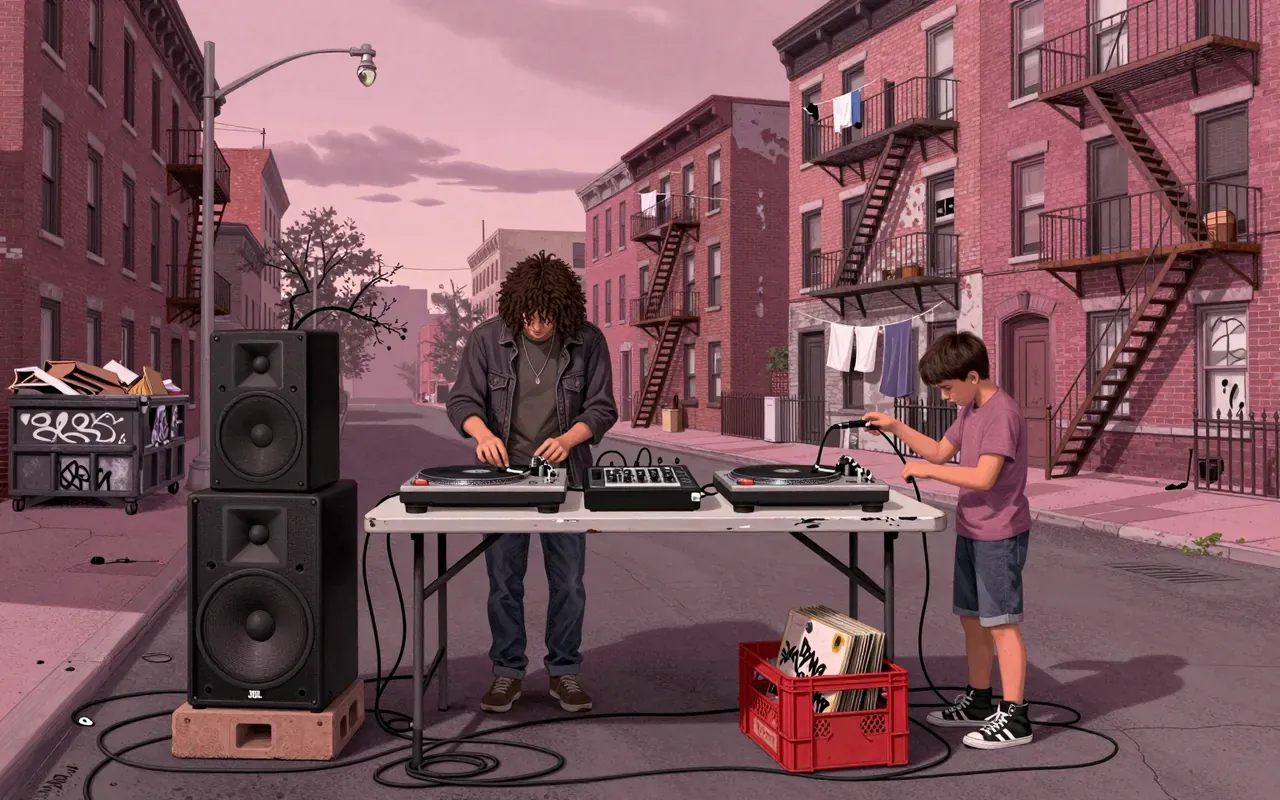
A DJ technique: two turntables, two copies of the same record, switching between drum breaks.
Where it came from
The Bronx, New York City, in 1973. Developed by Clive Campbell, a Jamaican-American DJ. This breakbeat DJing, using funky drum solos, formed the basis of hip hop music.
What it gets right
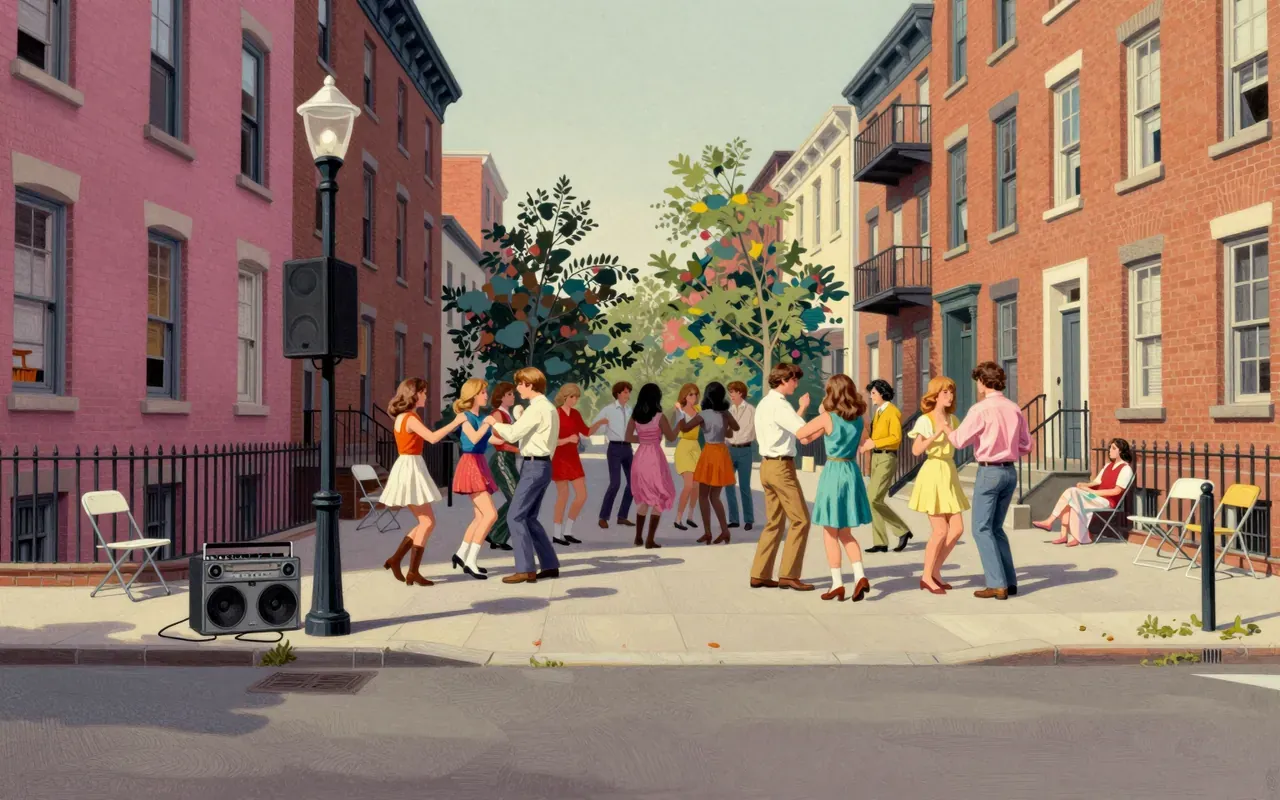
It isolates the break. It extends it. It names the dancers. It links announcement to rhythm. These are concrete, repeatable techniques—not vibes or energy. His announcements and exhortations to dancers helped lead to the rhythmically spoken accompaniment now known as rapping. He called the dancers at his parties “break-boys” and “break-girls”, or simply b-boys and b-girls.
What it gets wrong
It does not establish DJ Kool Herc as a solo originator. The sources say he helped popularise hip hop ‘along with others’. Claiming sole founding erases collective practice. He is often referred to as the founder of hip hop.
Why it matters now
Because breakbeat DJing remains the structural core of hip hop production—and because naming ‘b-boys’ and ‘b-girls’ anchored a social role that outlived the party.
Is it worth your time
Yes—if you want to understand the material conditions that made hip hop possible, not the myth.