What the thing is
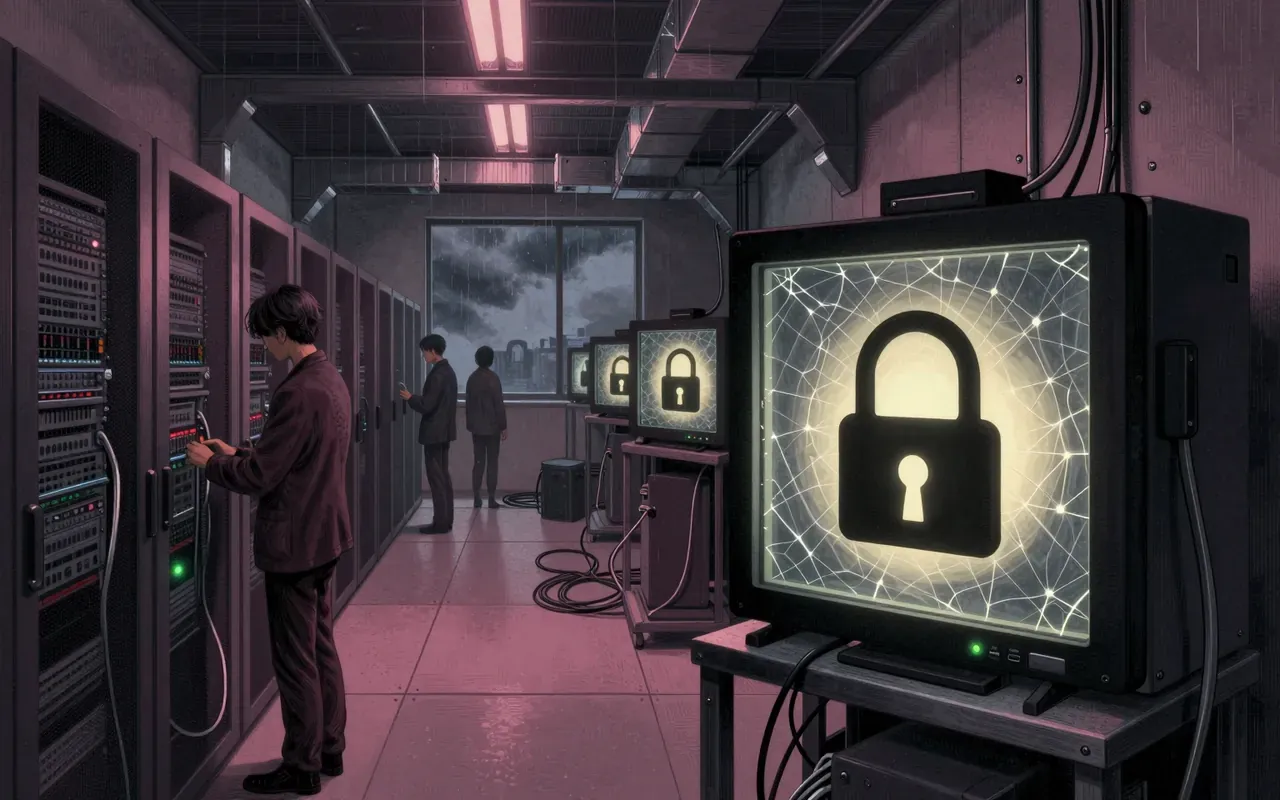
The New Aesthetic is a term coined by James Bridle. It describes the visible convergence of digital technology and the Internet with physical reality.
Where it came from
It emerged publicly at a panel Bridle organised at SXSW on March 12, 2012. Bruce Sterling’s Wired article then propelled it into critical and public consciousness.
What it gets right
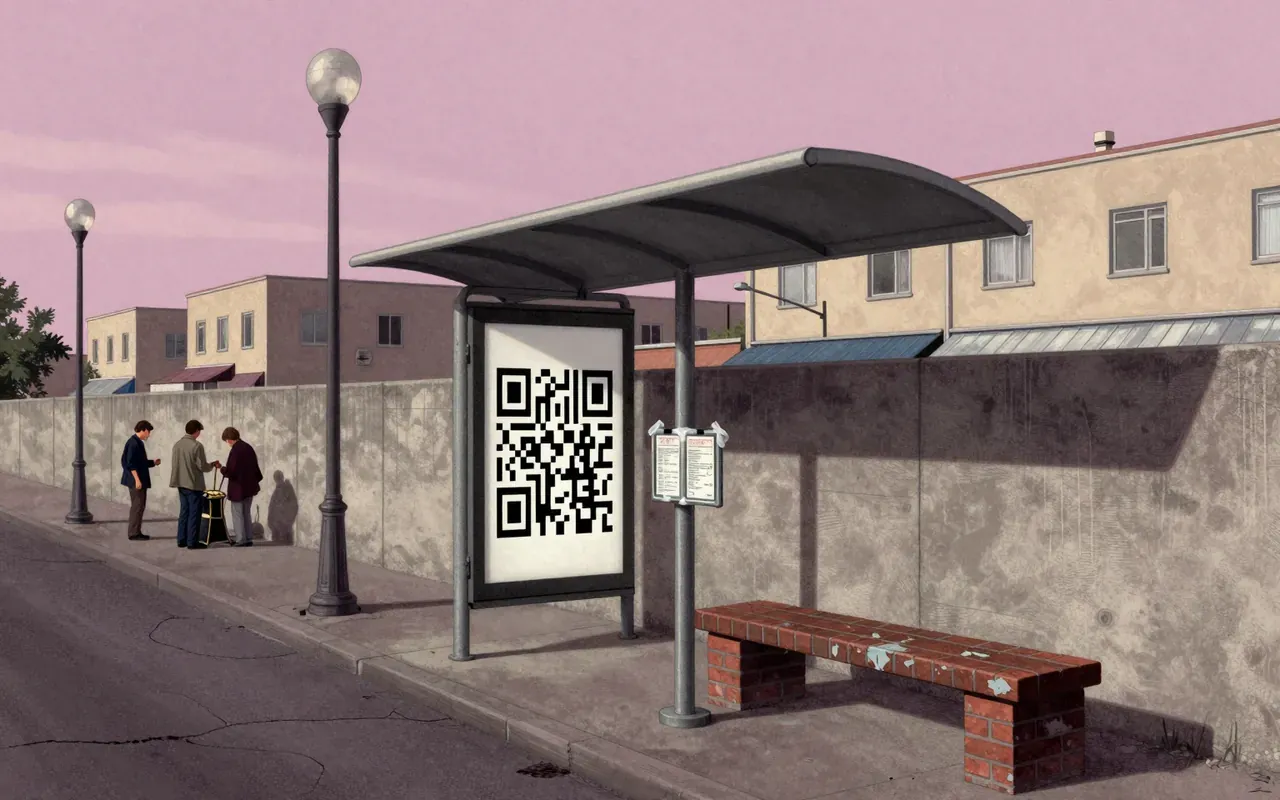
It names a real visual shift: glitches, drones, QR codes, pixelated textures, and machine-made patterns appearing unbidden in physical space. It correctly identifies digital automation as supplanting—not augmenting—human labour in production.
What it gets wrong
It mistakes documentation for diagnosis. It offers no framework to distinguish signal from noise, nor criteria to judge which artefacts belong. It implies coherence where there was only curation.
Why it matters now
Because its core observation—that machines now supplant living labour via digital automation—is more materially entrenched than ever. Its vocabulary remains useful for naming what we see, even if its structure collapsed under its own weight.
Is it worth your time
Yes—if you need a precise, early lens on automation’s visible traces in everyday life. No—if you expect a movement, manifesto or sustained theory.