8:14in productionCh. 1 · What it does/ 8:14 · ceiling 15 min
Ideas · Society
Simple living
Simple living is not minimalism—it’s a political act disguised as self-help.
Simple living is a historically rooted, cross-cultural set of practices aimed at reducing material consumption, technological dependence, and economic entanglement. It emphasises mindfulness, self-sufficiency, spiritual grounding, and ecological responsibility. It draws from religious traditions (Śramaṇa, Taoism, Buddhism, Christianity) and secular developments (Epicureanism, Thoreau, voluntary simplicity). Its methods range from hermitage living and forest gardening to the '100 Thing Challenge' and tiny house movement.
Simple living is defined by action—not aesthetics—and begins with reducing possessions, tech, and spending.
2:23
What it believes
It treats mindset and values as inseparable from behaviour—and grounds motivation in concrete human needs.
3:39
What it opposes
It positions itself against economic materialism—but fails to distinguish between personal retreat and systemic resistance.
4:44
Where it began
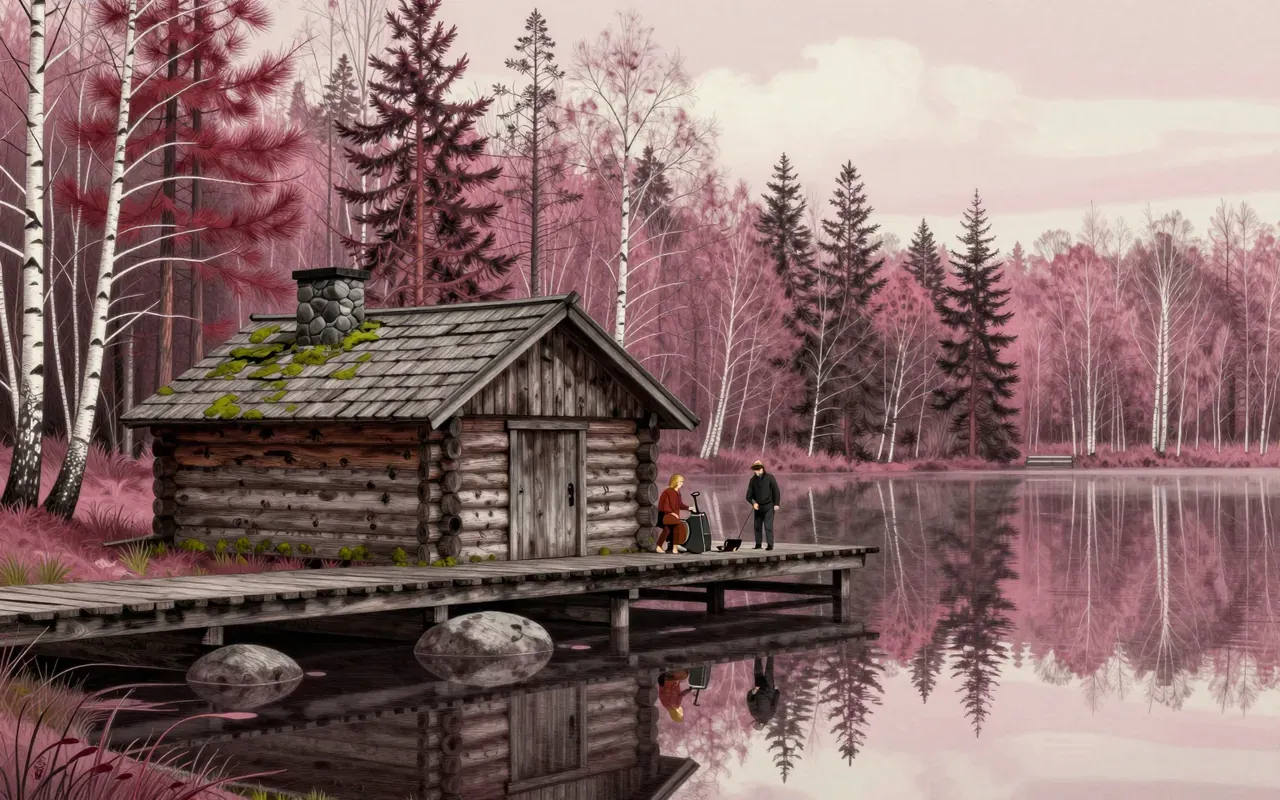
Thoreau’s Walden Pond experiment remains its clearest historical anchor—and its most unrepeatable model.
Worth your time?
Yes. Study the whole thing.
3.5/ 5
What works
as a diagnostic tool for overconsumption
as a vocabulary for personal and political refusal
What does not
make claims about influence beyond what the source states
invent dates, people or movements
praise without reason
treat popularity as significance
Study it if
people seeking ethical resistance to consumer culture
readers who distrust self-optimisation framing
Skip it if
those looking for aesthetic guidance
readers expecting a unified theory or movement
The written brief1 min read
What the thing is
Simple living is a set of lifestyle practices promoting simplicity. It reduces possessions, technology dependence, and spending. It reflects mindset and values—not just habits.
Where it came from
It has religious origins in Śramaṇa traditions, Taoism, Buddhism, and Christianity. Secular forms appear in Epicureanism and Thoreau’s two-year experiment at Walden Pond in 1854.
What it gets right
It names material overconsumption as the problem. It links external reduction to internal shift. It roots practice in real-world motivations: time, money, ecology, stress.
What it gets wrong
It bundles incompatible aims—spiritual withdrawal, tax resistance, tiny-house capitalism—under one label. It offers no shared method, only a list of options with no hierarchy or critique.
Why it matters now
Because economic materialism and consumer culture have intensified—not receded—and simple living remains one of few coherent frameworks naming that pressure directly.
Is it worth your time
Yes—if you are actively resisting consumer culture, not just decluttering for calm.