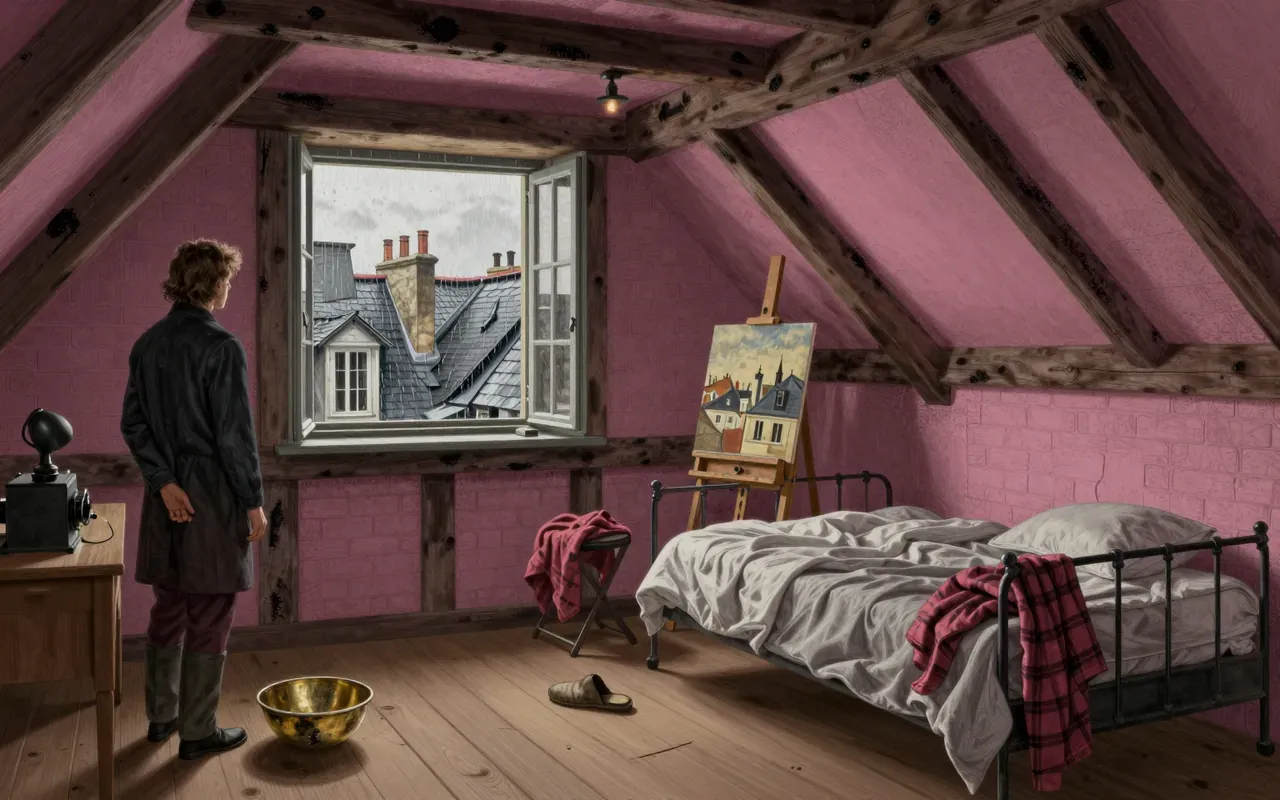
What the thing is
Bohemianism is a 19th-century social and cultural movement defined by deliberate non-conformity—especially among artists, writers, and actors—who embraced poverty, anti-materialism, free love, and voluntary simplicity.
Where it came from
It emerged in early 19th-century France from the French term bohème, applied to urban artists perceived as resembling Romani people—whom the French called ‘La bohème’ after their supposed passage through Bohemia.
What it gets right
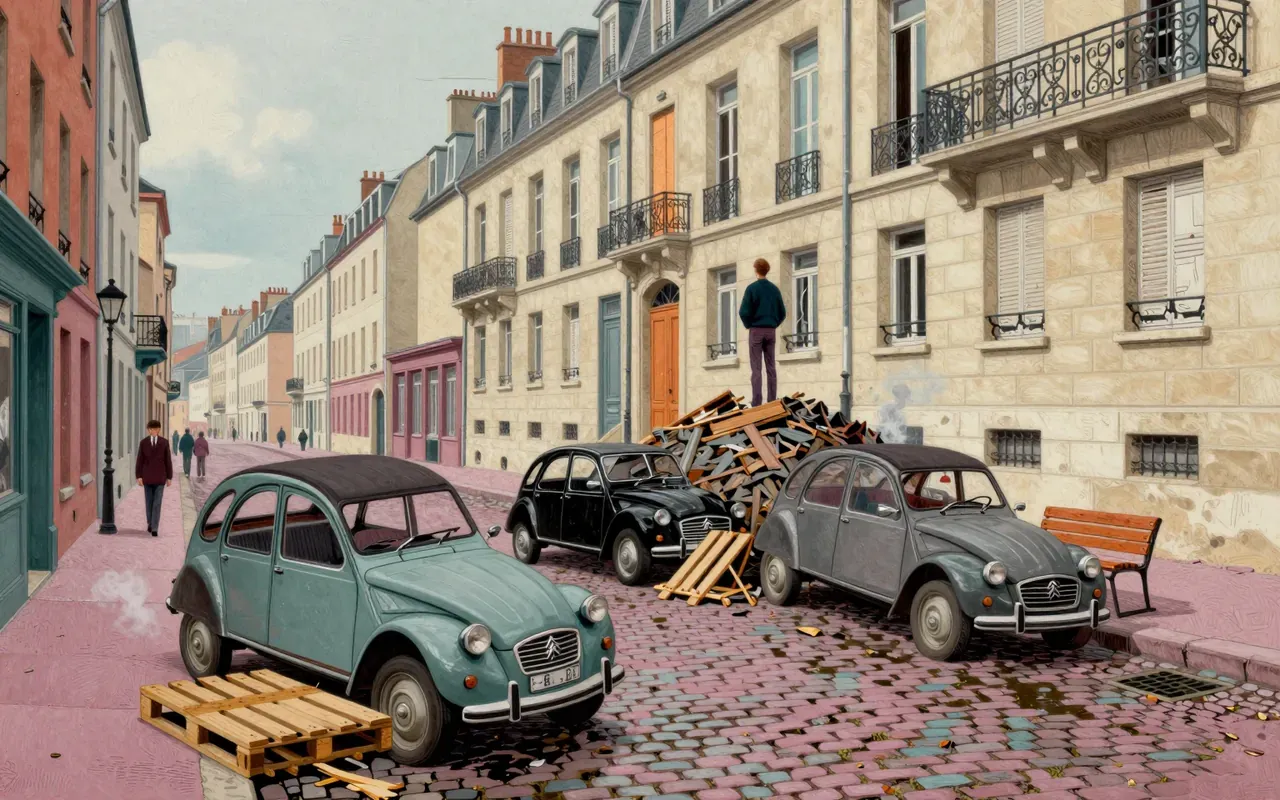
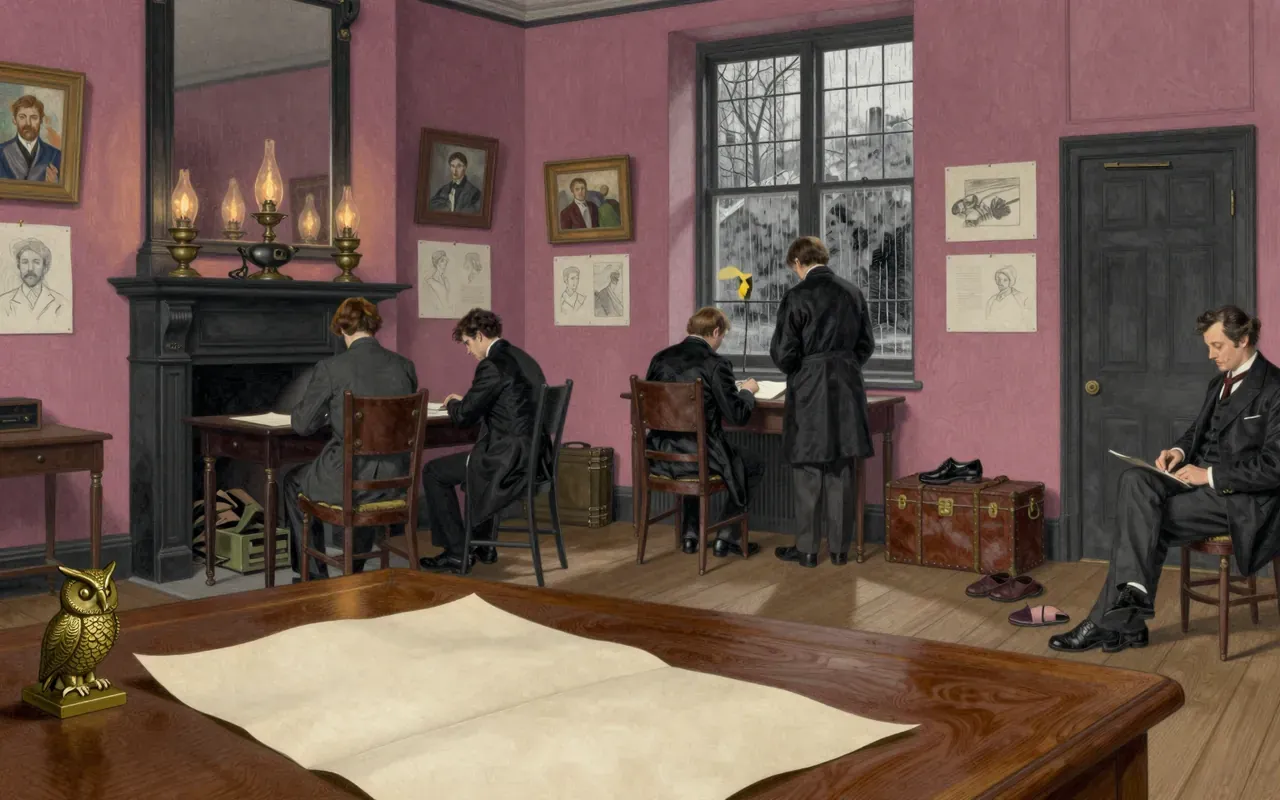
It names a real 19th-century Parisian milieu: young artists in the Latin Quarter living in poverty, idealising art, rejecting money, and valuing friendship. That picture was framed in the 19th century as a literary and historical topos, in which hunger sat alongside poverty. The term was also applied to the non-traditional lifestyles of creative professionals in major European cities during the mid-19th century. Bohemians expressed anti-establishment views through free love, frugality, simple living, van dwelling or voluntary poverty. A privileged variant was termed “haute bohème”.
What it gets wrong
It falsely implies geographic or ethnic ties to Bohemia—the term has no connection to Czech people or the region.
Why it matters now
Because its logic—replacing economic participation with aesthetic identity—still structures how creative work is valued, marketed, and precariously lived.
Is it worth your time
Yes—if you want to understand how anti-materialist artistic rebellion became a lifestyle brand.