What the thing is
Stokely Carmichael is the figure who named, defined, and institutionalised Black Power as a political strategy—not a mood, not a cry, but a framework for autonomous Black political organisation in the US.
Where it came from
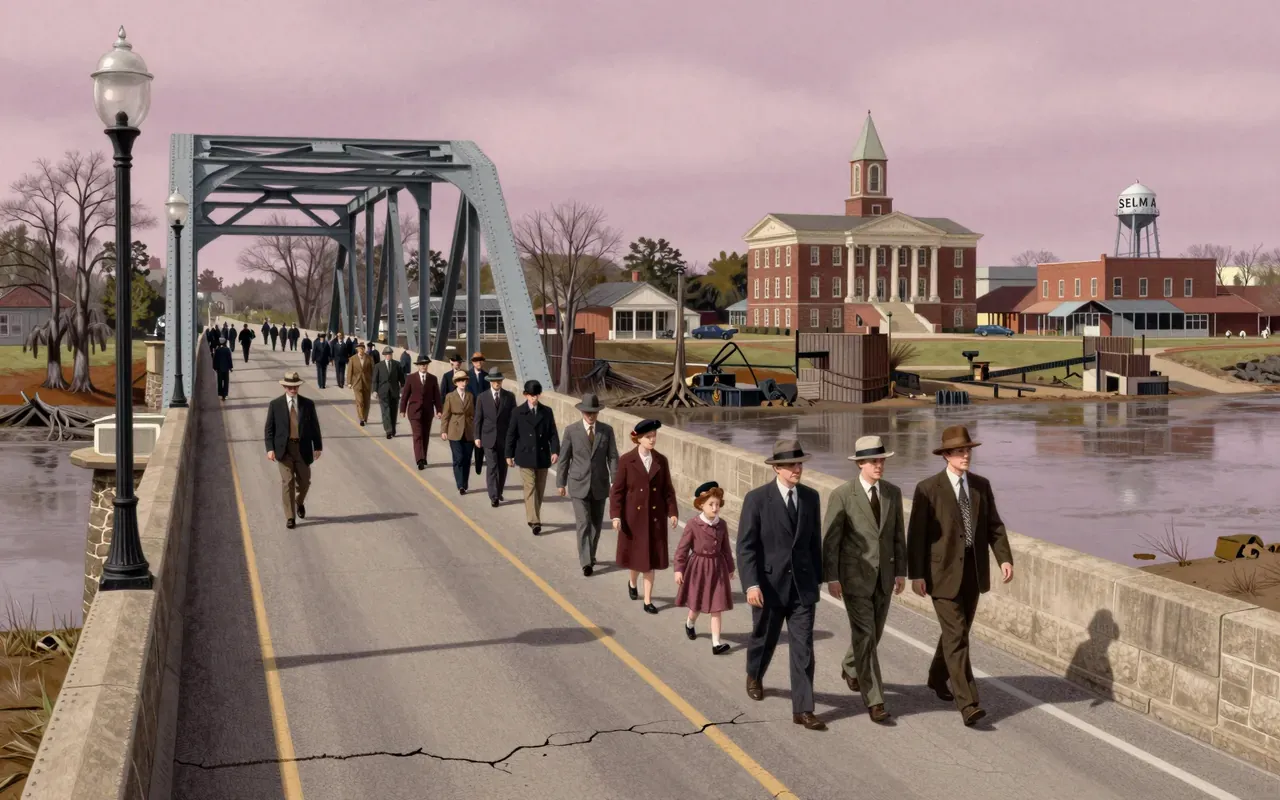
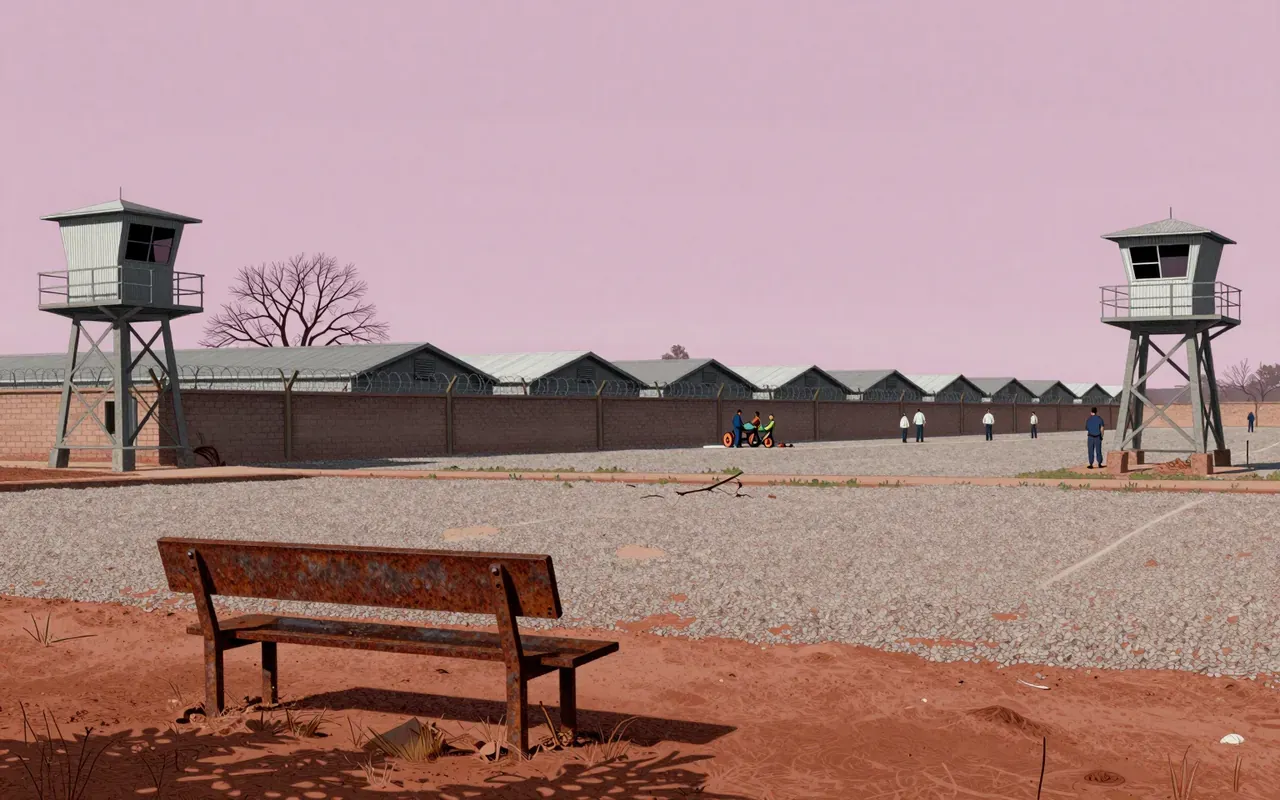
He emerged from the SNCC Freedom Rides of 1961 under Diane Nash, was shaped by Ella Baker and Bob Moses in Mississippi and Alabama, and radicalised by jail time—including 49 days at Parchman Penitentiary.
What it gets right
It names Black Power as a philosophy, not just a slogan. It locates the shift in concrete political work: Lowndes County, SNCC, COINTELPRO, Parchman. It treats Carmichael as a strategist who built organisations, not just a speaker who coined phrases.
What it gets wrong
It overstates continuity between Carmichael’s SNCC leadership and the Black Panther Party. The source says he led the Panthers only ‘for a time’—and only as ‘Honorary Prime Minister’, a title with no operational authority. It conflates influence with control.
Why it matters now
Because today’s debates about defunding police, reparations, and Black-led governance echo the same question Carmichael posed: can Black people exercise power without first seeking permission from white institutions?
Is it worth your time
Yes—if you want to understand how Black Power shifted civil rights from integrationist appeals to structural autonomy, and why that pivot provoked state terror.