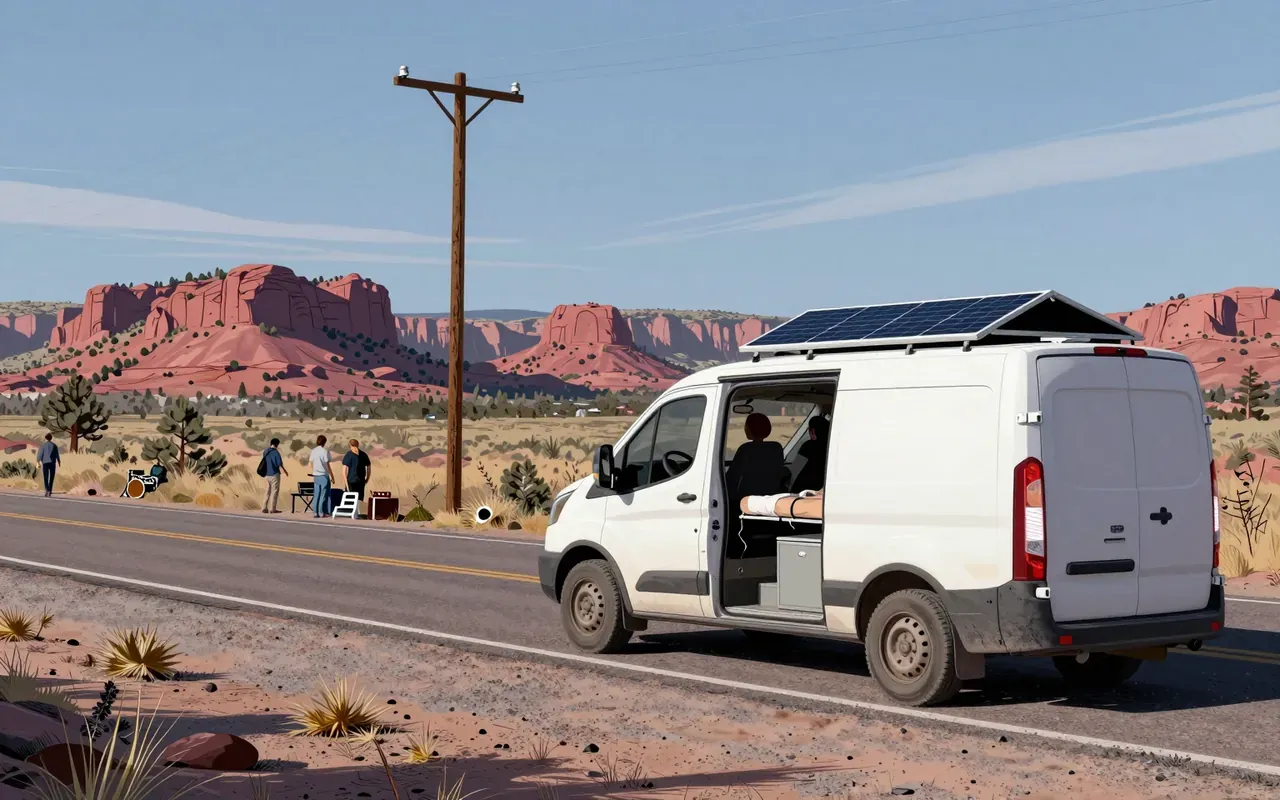
What the thing is
Van-dwelling is living full- or part-time in a car, van, or other motor vehicle. A vanlifer is someone who does this.
Where it came from
It began with horse-drawn wagons — Roma vardo wagons in Europe, Conestoga wagons in the US. Motorised van-dwelling started after motor vehicles were introduced. Mobile wheeled homes rose in the US in the mid-1930s, post-Great Depression.
What it gets right
It names a real, enduring human response to housing instability and economic pressure. It foregrounds mobility as agency, not just escape.
What it gets wrong
The #vanlife idealisation erases the distinction between choice and necessity. It conflates van-dwelling by preference with van-dwelling by default — a gap the sources do not bridge.
Why it matters now
Because it reveals how a centuries-old adaptation has been repackaged — first as practical survival, then as aspirational freedom — without resolving its core tension: who gets to move, and who is forced to?
Is it worth your time
It is worth your time if you are tracking how material constraints reshape autonomy — not as lifestyle fantasy, but as a persistent, uneven negotiation between mobility and precarity.