culturebriefs
Saved
Art · Society

Royal College of Art

1837

The Royal College of Art began not as an art school, but as a factory for draftsmen.

Worth your time?3.5/5Yes.Study the whole thing.What works, what does not, who it is for ↓
9:23in productionCh. 1 · Not an art school/ 9:23 · ceiling 15 min
4 chapters · 9:23Ceiling 15:00

The brief is written and checked. The video joins this page when it is cut.4 chapters · 1 min read · 9:23 planned

Read the brief

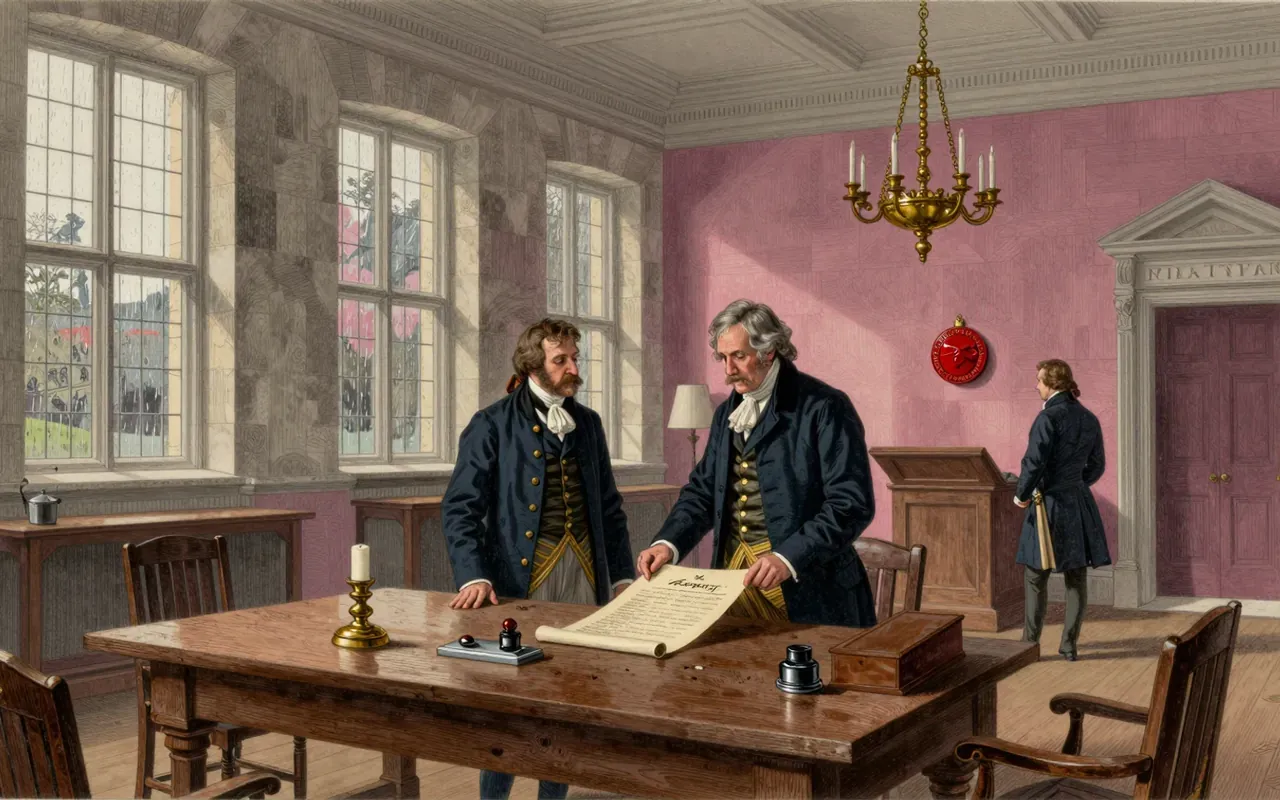
The Royal College of Art began as the Government School of Design in 1837—not as a site of artistic freedom, but as a state instrument to standardise drawing for industry. By 1848, it taught over 300 students daily: mostly sons of tradesmen and upper artisans, and daughters of professionals or future governesses. Its curriculum prioritised reproductive skill over originality. Graphic, industrial, and product design arrived only in the mid-twentieth century. Degree-awarding powers followed in 1967. Its first online graduate exhibition launched in 2020.

Chapters & takeaways4
  1. 0:54
    Not an art school

    It was never an art college at first—it was a government department disguised as a school.

  2. 2:16
    Three hundred students before breakfast

    By 1848, it taught over 300 people a day—mostly working-class men and middle-class women on narrow vocational paths.

  3. 3:44
    Who sat at the easel

    Its students were sorted by class and gender: sons of tradesmen, daughters of professionals—or governesses-in-waiting.

  4. 5:16
    What came late

    Design disciplines arrived a century later; degree authority came in 1967; online exhibitions only in 2020.

Worth your time?

Yes. Study the whole thing.

3.5/ 5
What works
  • as-a-precedent-for-state-design-education
  • as-evidence-of-victorian-social-stratification-in-education
What does not
  • art-deco
  • bauhaus
  • modernism
  • pop-art
Study it if
  • design-historians
  • policy-researchers
  • victorian-studies
Skip it if
  • contemporary-art-collectors
  • studio-practitioners-seeking-inspiration
The written brief1 min read

What the thing is

A government school founded to improve British manufacturing through standardised drawing instruction.

Where it came from

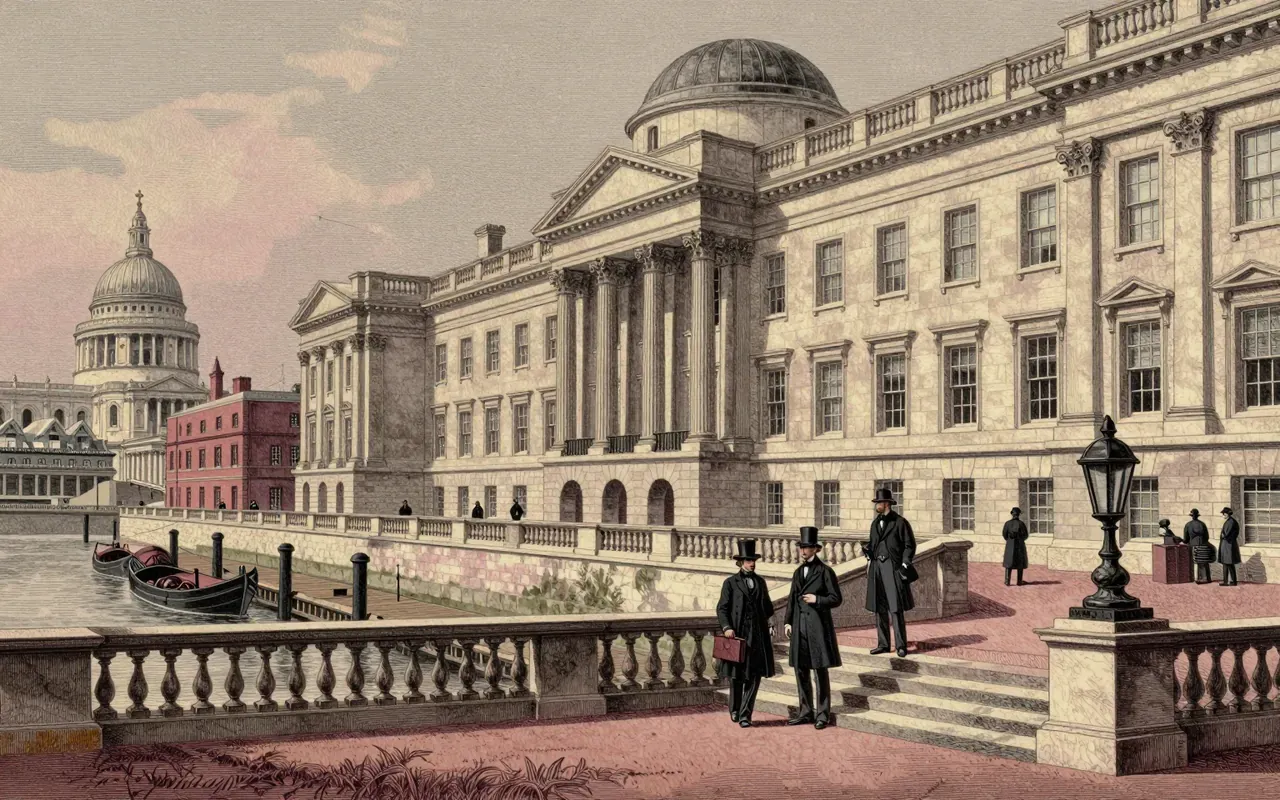
It began in 1837 at Somerset House as the Government School of Design, a direct response to perceived industrial weakness against continental competitors.

What it gets right

It trained hundreds daily by 1848, with structured access for men from trades and women training as governesses. It served a specific social function: upgrading artisan skill and professionalising female education within Victorian constraints.

What it gets wrong

It claimed to teach ‘design’ while offering rigid, reproductive drawing instruction. It displaced craft apprenticeship without replacing its material knowledge—prioritising imitation over invention.

Why it matters now

It is the institutional root of Britain’s design degree system—and the earliest precedent for state-directed creative education as economic policy.

Is it worth your time

Yes—if you care how state-funded design education shaped Britain’s visual and industrial culture. No—if you expect a story of avant-garde rebellion or artistic autonomy.
Same beat · Art4 of 103
8:45
Royal Academy of Arts1768The Royal Academy of Arts is not a museum, a government department, or a charity. It is a self-selecting guild of working artists and architects, chartered in 1768 to run its own school and annual exhibition. Its founding excluded no applicant from its first show—but locked leadership into a fixed cohort of 40 before it had held a single class or hung a single work. It remains artist-governed. That has preserved its independence—and entrenched its insularity.
8:10
Arte Povera1967Arte Povera was a materially specific, institutionally embedded, temporally tight Italian art movement. It used perishable matter and physical forces to stage critique—but never left the gallery circuit it claimed to dismantle.
9:37
Conceptual art1960Conceptual art prioritises ideas over material execution. It emerged in the 1960s as a reaction against formalism and art commodification. Its first wave spanned 1967–1978.
10:40
Icon painting in UkraineUkrainian icon painting is a living tradition—not a relic. It began with Greek imports in the 10th century. Native schools formed at Pechersk monastery. Guilds operated in Lviv and Peremyshl by the 15th century. Kyiv-made icons adorned churches in Kholm in 1259. Renaissance and Baroque influences introduced realism and folk motifs. Traditional methods declined with oil painting in the 18th–19th centuries—but resurged in the early 20th-century Neo-Byzantine school, led by Boychuk, Sosenko, Kholodnyi, Osinchuk, and Diadyniuk. Contemporary adaptations use war materials and dried fish. This is not nostalgia. It is recalibration.
Up next in Culture

Ruth Bader Ginsburg

· 10:03

She didn’t shout for change. She rewrote the rulebook—and then watched it get misquoted as a rallying cry.

10:03