9:44in productionCh. 1 · Not Royal by Birth/ 9:44 · ceiling 15 min
Society · Generations
Diana, Princess of Wales
She was never born royal—she became royal by marrying in. That difference still defines who counts, and who doesn’t.
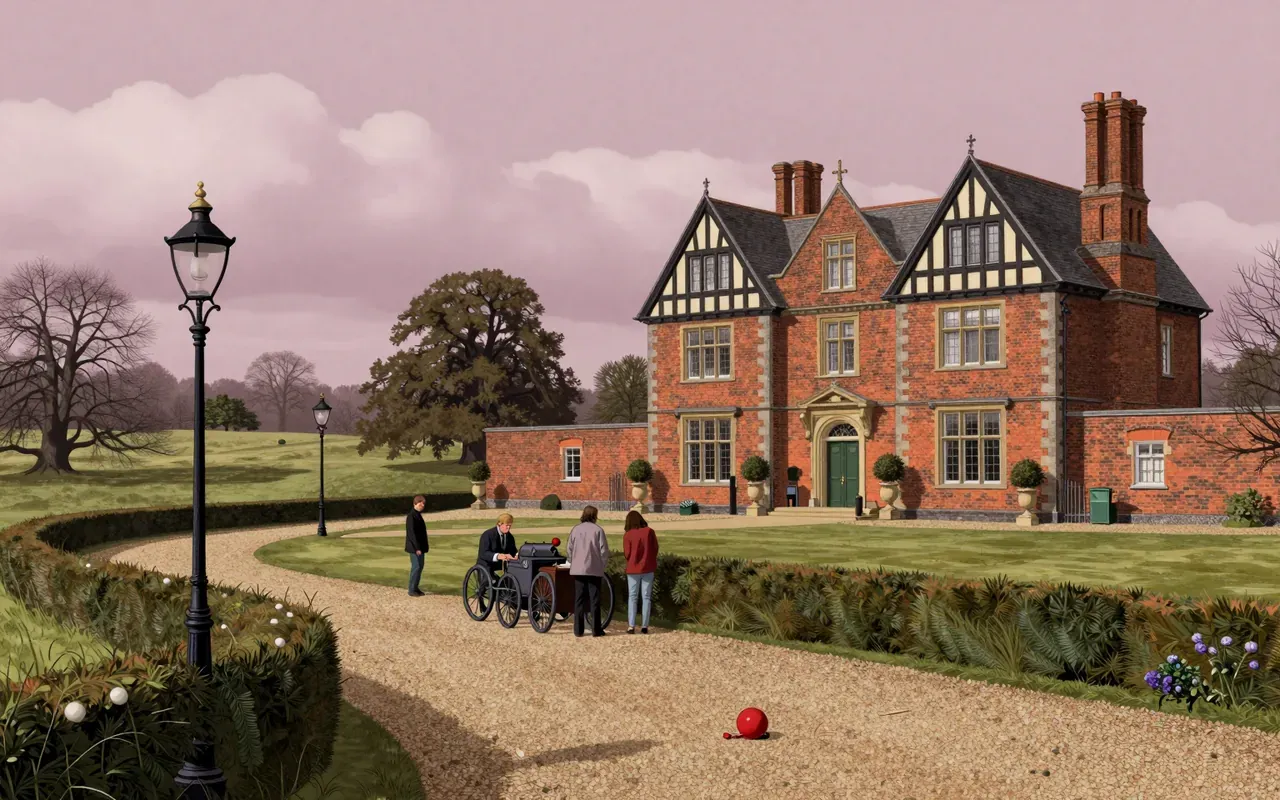
Diana, Princess of Wales was a title-holder in the British royal family, acquired through marriage—not birth. She originated in the Spencer family and British nobility, grew up at Park House on the Sandringham estate, and lived from 1 July 1961 to 31 August 1997.
Her lineage was Spencer: a noble family, not a royal one.
3:56
A Title, Not a Birthright
The document repeatedly misstates her origin as royal—when her royal status began only at marriage.
5:47
Sandringham and the Spencers
Park House and the Spencers anchored her world—long before she entered the royal family.
Worth your time?
Yes. Study the whole thing.
3.5/ 5
What works
clarifies a persistent factual confusion
anchors identity in verifiable lineage and geography
exposes repetition as error, not emphasis
What does not
influence
define
launch
displace
Study it if
readers tracking constitutional nuance
students of British aristocratic structure
Skip it if
those seeking cultural analysis of her global impact
readers expecting commentary on media or mourning
The written brief1 min read
What the thing is
Diana, Princess of Wales was a title-holder in the British royal family, acquired through marriage, not birth.
Where it came from
She came from the British Spencer family—a noble lineage holding titles including Duke of Marlborough and Earl Spencer—and grew up at Park House on the Sandringham estate, adjacent to royal land.
What it gets right
It correctly identifies Diana as a member of the British royal family by marriage, not birth. It anchors her origin in the Spencer family and British nobility. It fixes her lifespan precisely: 1 July 1961 to 31 August 1997.
What it gets wrong
It conflates origin with status. She originated in the Spencer family and British nobility—not the royal family. Her membership in the royal family began only upon marriage to Charles, Prince of Wales. The document repeats this error four times without qualification.
Why it matters now
Because the distinction between inherited nobility and conferred royalty remains legally and constitutionally consequential in Britain—and because public conflation of the two continues to shape media narratives about royal identity.
Is it worth your time
Yes—if you want to understand how royal status is inherited, conferred, and performed in modern Britain.