What the thing is
A French art film movement.
Its ideas trace back to Alexandre Astruc’s 1948 essay “The Birth of a New Avant-Garde: The Camera-Stylo”, which argued that cinema was becoming a means of expression on the same level as painting and the novel. The auteur theory behind it held that the director is the “author” of a film, with a personal signature visible from film to film. Some of the figures most associated with it, among them Truffaut, Godard, Rohmer, Chabrol and Rivette, began as critics for Cahiers du cinéma. Alongside them stood a “Left Bank” group including Alain Resnais, Agnès Varda and Chris Marker, who were older and tended to see cinema as akin to literature and the other arts.
Where it came from
It emerged in the late 1950s among critics and cinephiles associated with Cahiers du cinéma.
Truffaut’s 1954 essay Une certaine tendance du cinéma français read like a manifesto against the “Tradition of Quality”, the high-minded, literary period films held in esteem at French film festivals. The critics also admired American studio directors such as Orson Welles, John Ford, Alfred Hitchcock and Nicholas Ray, and made then-radical cases for their artistic distinction. Chabrol’s Le Beau Serge (1958) is traditionally, though debatably, credited as the first New Wave feature; Varda’s La Pointe Courte (1955) came earlier but had no commercial release until 2008. Truffaut’s The 400 Blows (1959) and Godard’s Breathless (1960) were unexpected international successes, critical and financial, which turned attention to the movement.
What it gets right
It rejected staid literary adaptations. It prioritised directorial voice over studio control. It proved low-budget, location-based shooting could yield stylistic coherence.
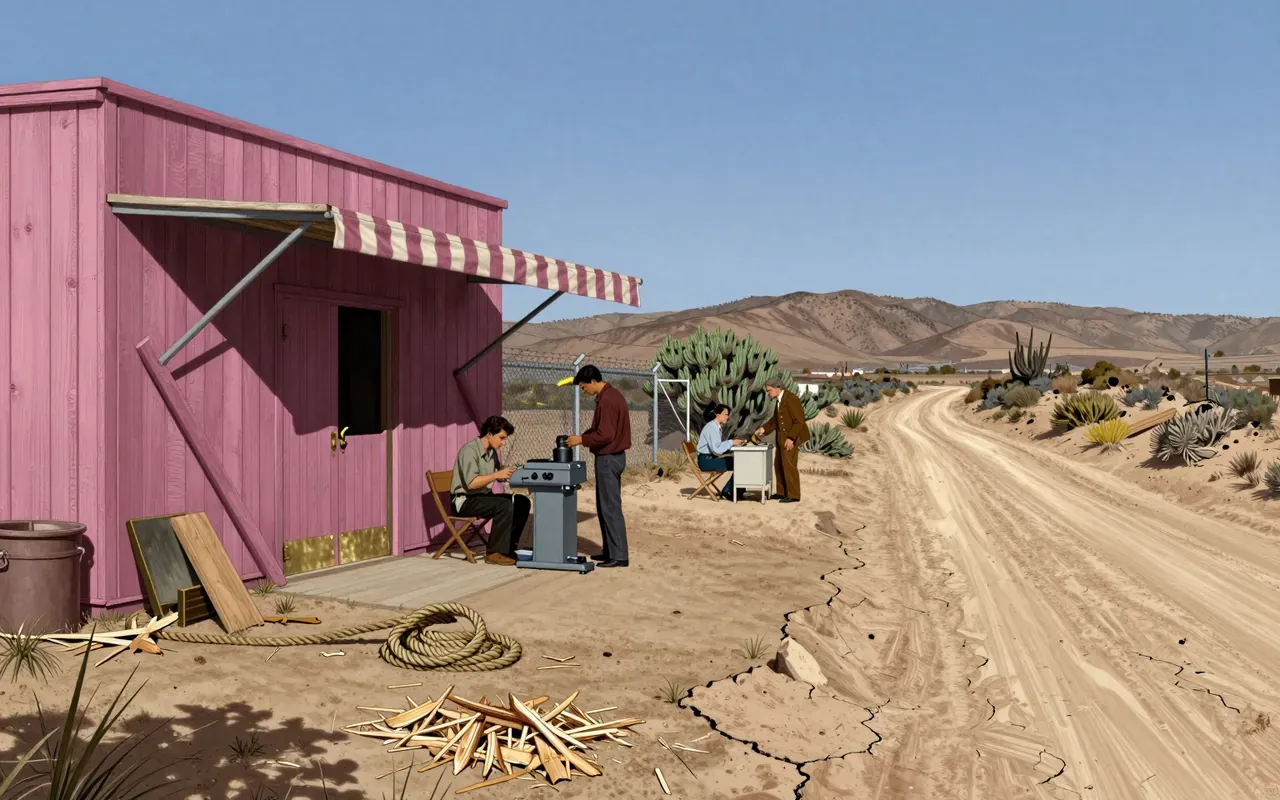
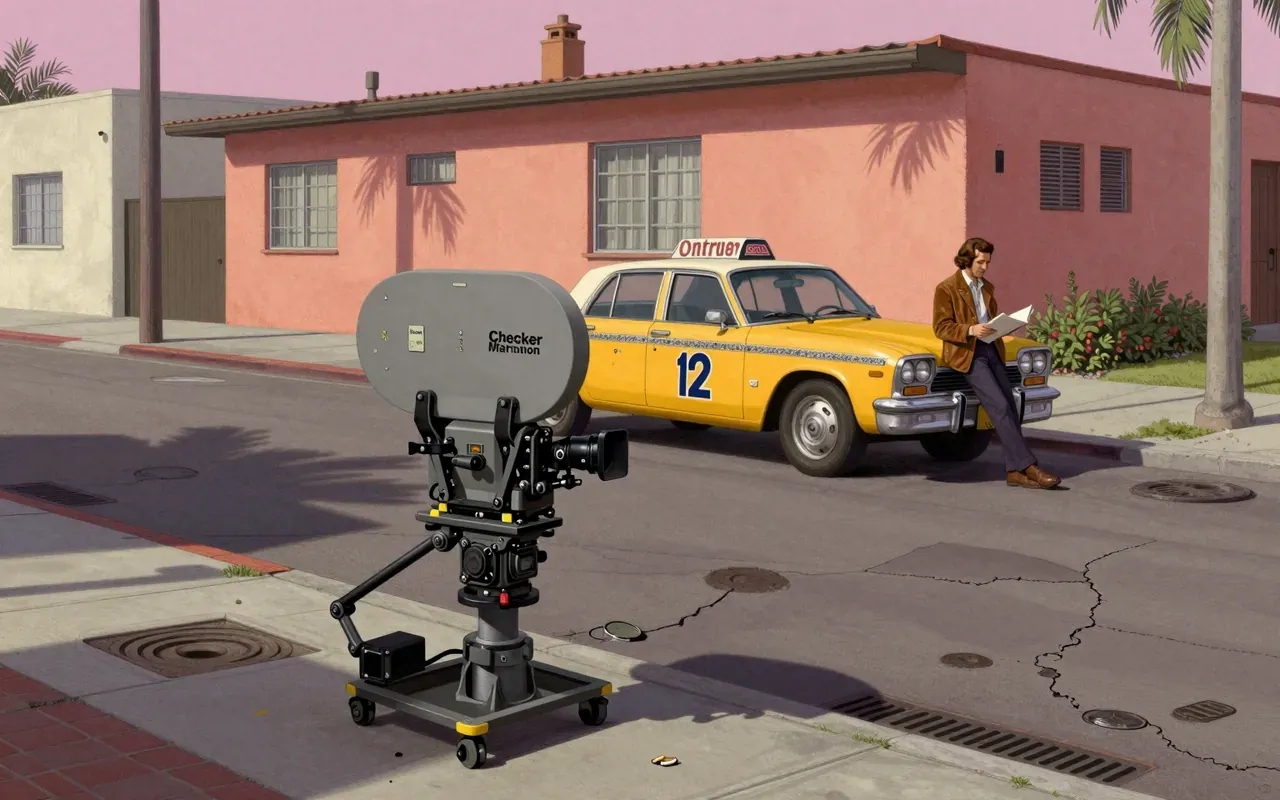
Money shaped the technique. Films were often shot in a friend’s apartment or yard with friends as cast and crew, and directors improvised equipment, using a shopping cart for tracking shots. Because film stock was costly, efforts to save it turned into stylistic choices. On Breathless, told to cut the film down to an hour and a half, Godard removed scenes from within long takes, on Jean-Pierre Melville’s suggestion, leaving jump cuts. This was a practical decision and also a purposeful stylistic one.
What it gets wrong
It displaced no major commercial French cinema at the time—it was marginal in reach and output. Its ‘documentary style’ was highly constructed, not observational.
The label itself was loose. In 1961 Truffaut said the New Wave was “neither a movement, nor a school, nor a group, it’s a quality”, and in December 1962 he published a list of 162 directors who had made their first feature since 1959. Many on that list were not as successful or enduring and would not be counted today. Godard then declared that the New Wave was narrower, naming only Truffaut, Chabrol, Rivette, Rohmer and himself, with Cahiers as its nucleus.
Why it matters now
It established the director-as-author model that still dominates film discourse—despite being a small, short-lived cluster of films made between 1958 and 1962.
Is it worth your time
Yes—if you want to understand how film criticism became filmmaking, and how technical constraints were weaponised as aesthetic principles.