culturebriefs
9:28in productionCh. 1 · The Title Was a Joke/ 9:28 · ceiling 15 min
Movements & scenes · Art

Lowbrow (art movement)

Lowbrow didn’t break the art world’s rules—it spat on the rulebook and built a new one from spray paint and ink.

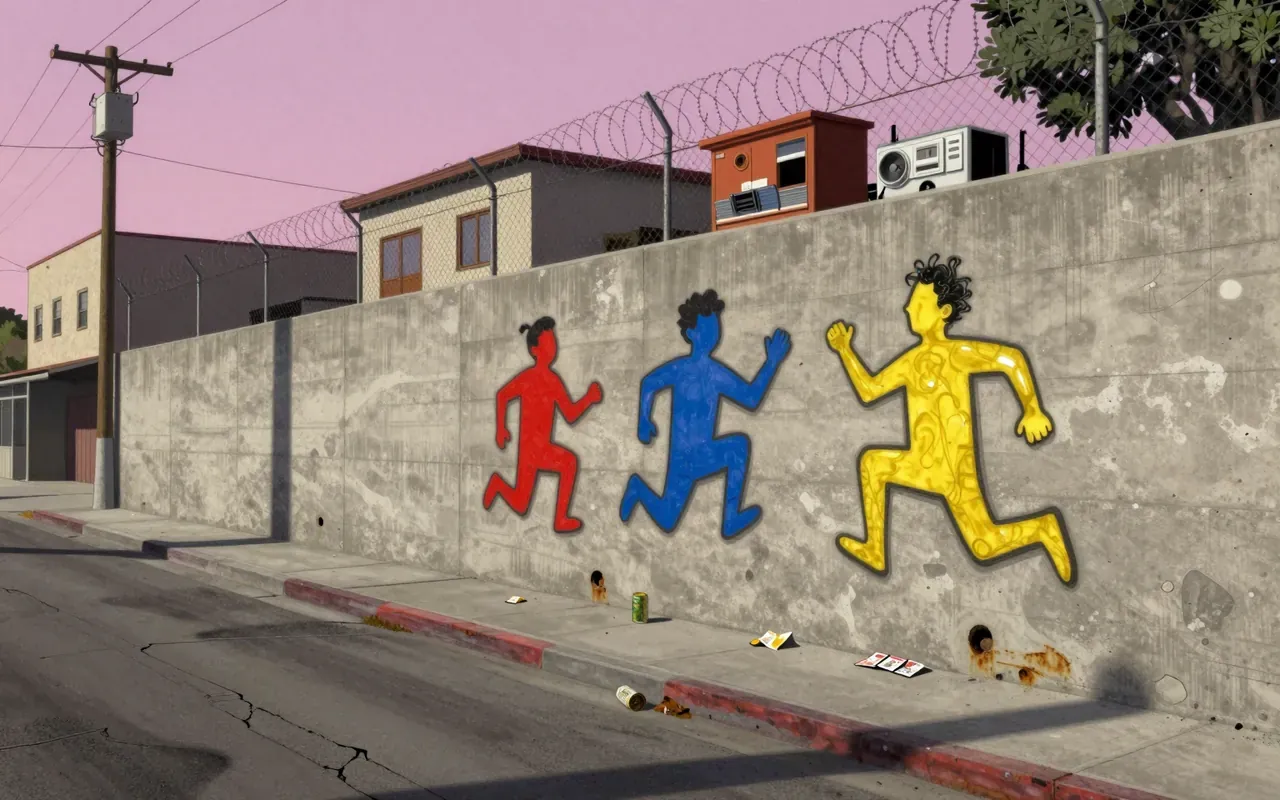
Lowbrow is a Los Angeles–born visual art movement that began in the late 1960s. It drew from underground comix, punk music, tiki culture, graffiti, and hot-rod cultures. Robert Williams coined the term 'lowbrow art' in 1979 as a self-deprecating title for his book. He later described the movement as 'cartoon-tainted abstract surrealism'. The movement deliberately defied mainstream art conventions.

Chapters & takeaways4
  1. 0:59
    The Title Was a Joke

    Lowbrow was named in 1979 by Robert Williams—not as rebellion, but as irony.

  2. 2:20
    Born on the Sidewalk

    Its roots were in street cultures, not studios: comix, graffiti, tiki, hot rods, punk.

  3. 3:35
    Rules Were Optional

    It refused art-world orthodoxy—not to replace it, but to ignore it entirely.

  4. 5:32
    A Label That Stuck

    Williams called it 'cartoon-tainted abstract surrealism'—a precise, unromantic description.

Worth your time?

Yes. Study the whole thing.

3.5/ 5
What works
  • as-a-lens-on-1970s-california-subcultures
  • as-a-precedent-for-digital-visual-language
  • as-a-case-study-in-self-naming
What does not
  • pop-art
  • punk-music
  • comics
Study it if
  • artists-who-work-outside-institutions
  • designers-interested-in-street-syntax
  • critics-tracking-the-collapse-of-hierarchy
Skip it if
  • historians-of-modernism
  • curators-of-museum-canons
  • collectors-seeking-provenance
The written brief1 min read

What the thing is

Lowbrow is an underground visual art movement. It is cartoon-tainted abstract surrealism. It is not fine art, nor illustration, nor pop art—it is a self-defined category forged in defiance.

Where it came from

It began in Los Angeles in the late 1960s. It emerged from underground comix, punk music, tiki culture, graffiti, and hot-rod cultures. Robert Williams named it ‘lowbrow’ in 1979 as a self-deprecating title for his book.

What it gets right

It treats cartoon logic as a legitimate visual language. It insists that surrealism can be vulgar, funny, and rooted in hot-rod chrome—not just Freudian anxiety.

What it gets wrong

It mistakes rejection of institutions for political critique. Its anti-elitism rarely interrogates class, race or access beyond style.

Why it matters now

It prefigured the collapse of hierarchies between ‘high’ and ‘low’—not through theory, but through practice. Its legacy lives in every Instagram artist who treats the feed like a zine and the gallery like a garage.

Is it worth your time

Yes—if you want to understand how outsider aesthetics colonised the gallery without surrendering their street syntax.
Same beat · Movements & scenes4 of 159
8:40
Anonymous (hacker group)2003Anonymous is a self-declared, leaderless collective that conducts cyberattacks as its primary method of activism. It originated in 2003 on the imageboard 4chan. Because it has no leadership, no action can be attributed to the membership as a whole. Some members protest using legal means, while others employ illegal measures such as DDoS attacks and hacking.
9:10
Self-managed social centerSelf-managed social centers are anti-authoritarian, volunteer-run spaces that operate as infoshops, free schools, bicycle workshops and concert venues. They began in Italy in the 1980s and spread to the US and UK in the 1990s. They oppose gentrification and megaprojects. They create and practice the commons. They are transient, precarious, and politically active—but do not survive long enough to institutionalise what they prefigure.
10:00
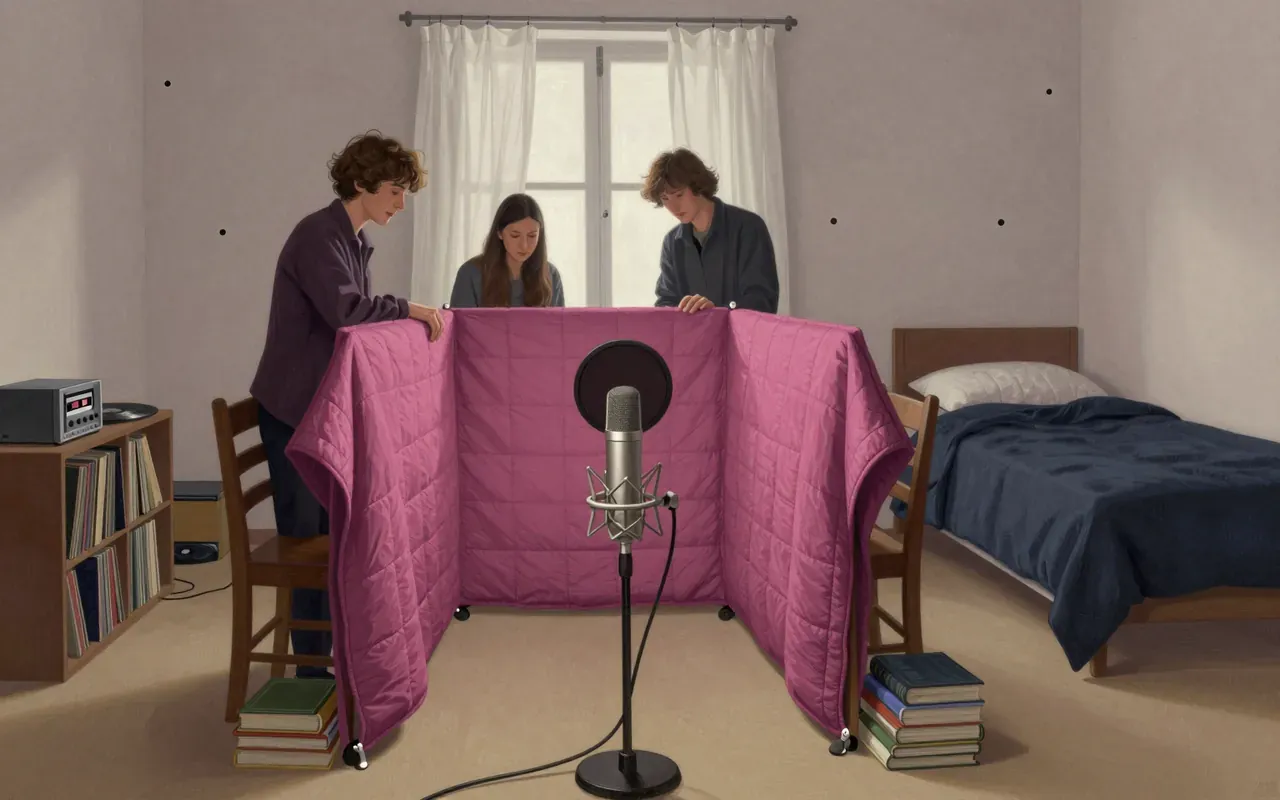
Home recordingHome recording is sound captured in private homes—not studios. It began with isolated pioneers in the US, UK, Australia, and Jamaica in the 1950s–1970s. The 1979 Portastudio enabled consumer multitrack recording. Digital recorders and DAWs replaced analog in the 1990s. Lockdowns in 2020 caused a global surge in home-based artists and microgenres. Untreated rooms produce misleading acoustics that compromise mixing. Professional studios have been heavily impacted over the last two decades.
10:02
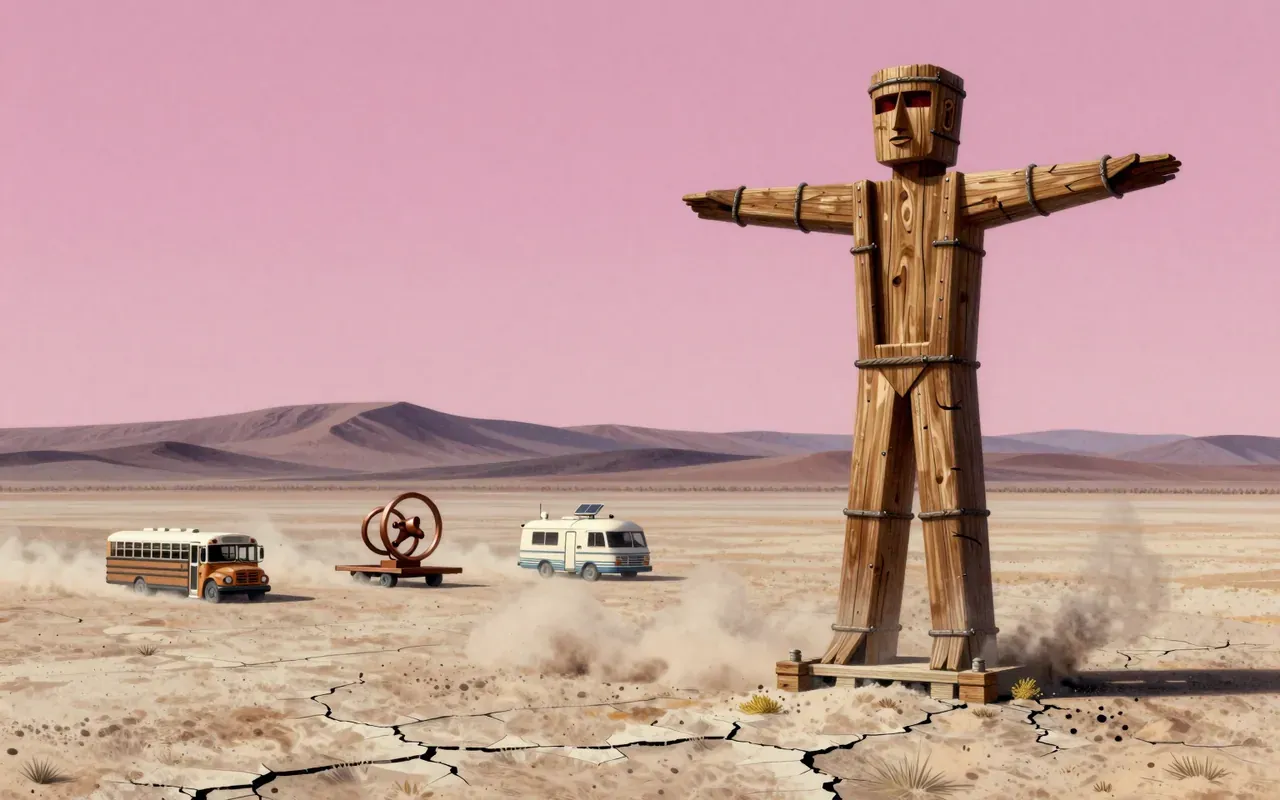
Burning Man1986Burning Man is a participant-built desert gathering named for the ceremonial burning of a wooden effigy—the Man—on the Saturday before Labor Day. It began on Baker Beach in 1986, moved to the Black Rock Desert in 1990, and operates on radical self-reliance, communal effort, and theme-driven art made solely by attendees. Its ten principles were codified in 2004—not at origin—and its model has since been replicated, commercialised, and contested. It is neither pure counterculture nor corporate spectacle, but a documented instance of how ritual, place, and principle diverge over time.
Up next in Culture

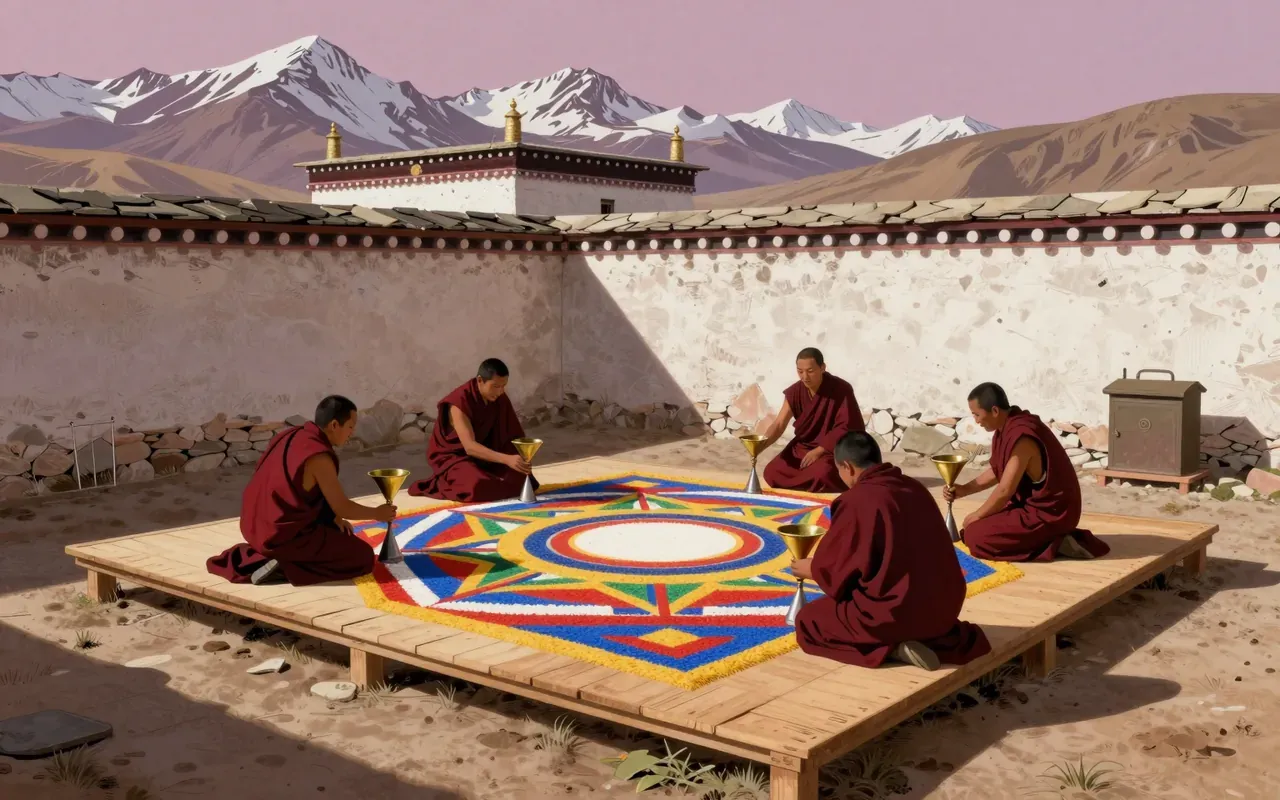
Mandala

· 8:33

A ritual geometry that maps the cosmos—and then erases itself. Not art. Not therapy. A discipline disguised as symmetry.

8:33