What the thing is
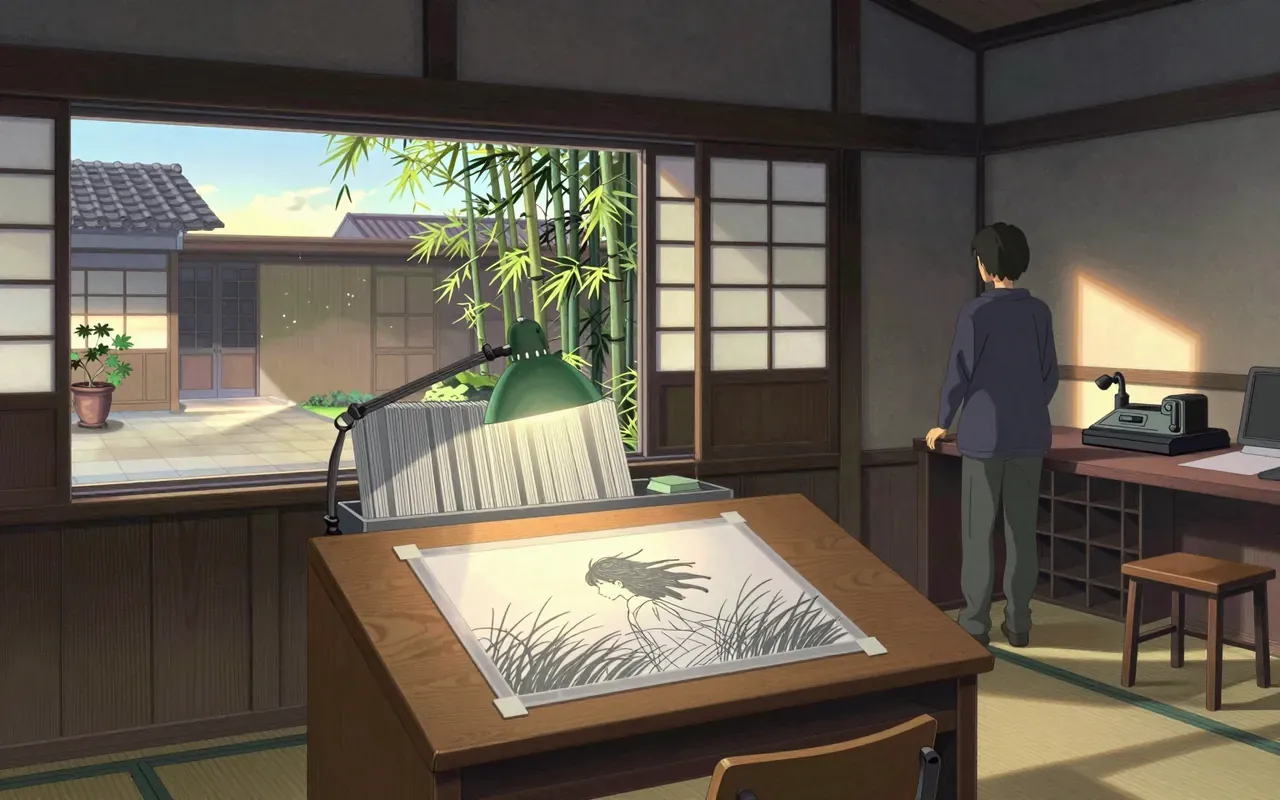
Hayao Miyazaki is a Japanese animator, filmmaker, and manga artist who co-founded Studio Ghibli in 1985. He directs films using storyboards instead of scripts, draws every frame by hand, and adds CGI only to enrich—not replace—the 2D form.
Where it came from
Miyazaki’s practice originated in Tokyo City. His defining studio work began in 1985 with the founding of Studio Ghibli, followed by Laputa: Castle in the Sky (1986), My Neighbor Totoro (1988), Kiki’s Delivery Service (1989), and Porco Rosso (1992).
What it gets right
He treats animation as total authorship. Storyboards replace screenplays. Every frame is overseen. Hand-drawn integrity is preserved even when CGI is added. His themes—nature versus technology, pacifism under pressure, girls as agents not symbols—are woven into structure, not tacked on.
What it gets wrong
His method leaves no room for collaborative writing or iterative revision. It assumes one person’s vision can hold narrative, ethics and aesthetics without contradiction—and that the hand-drawn imperative is inherently superior to other forms of image-making.
Why it matters now
At a time when animation is increasingly outsourced, algorithmically assisted and franchise-driven, Miyazaki’s insistence on authorial control, material labour, and moral ambiguity stands as a counter-model—not nostalgic, but operational.
Is it worth your time
Yes—if you want to see hand-drawn animation treated as a sovereign craft, not a stylistic choice. Miyazaki’s films demand attention because they refuse compromise: no shortcuts, no outsourcing, no moral simplification.