culturebriefs
8:13in productionCh. 1 · What it is/ 8:13 · ceiling 15 min
The arts

Noh

Noh is not theatre as storytelling—it’s theatre as ritual craft.

Noh is Japan's oldest major theatre art still regularly performed. It originated from sarugaku in the mid-14th century. It is highly codified and regulated by the iemoto system. Emotions are conveyed through conventional gestures while iconic masks represent archetypal roles. It integrates masks, costumes and stylised props in a dance-based performance. Its stories often feature a supernatural being transformed into a human hero who narrates the tale. The kanji for Noh means 'skill', 'craft' or 'talent' in performing arts.

Chapters & takeaways5
  1. 0:48
    What it is

    Noh is not folk entertainment—it’s a formalised, enduring art of dance-drama.

  2. 2:04
    Where it came from

    It began in the mid-14th century as sarugaku—and its name declares its core value: skill.

  3. 3:02
    How it works

    Emotion lives in the hand, not the face—the mask fixes identity; the gesture conveys feeling.

  4. 3:52
    How it’s governed

    The iemoto system enforces continuity—not evolution—making innovation structurally impossible.

  5. 5:06
    What it tells

    Its stories hinge on transformation: a ghost, deity or demon takes human form to speak their truth.

Worth your time?

Yes. Study the whole thing.

4/ 5
What works
  • as a living archive of gesture
  • as a test of attentional endurance
  • as resistance to the cult of the new
What does not
  • iconic
  • groundbreaking
  • timeless
  • seminal
Study it if
  • students of performance tradition
  • practitioners of embodied discipline
  • critics of author-centred art
Skip it if
  • those seeking narrative innovation
  • audiences prioritising emotional realism
  • viewers expecting accessibility without training
The written brief1 min read

What the thing is

Noh is a major form of classical Japanese dance-drama. It integrates masks, costumes and props in a highly codified, dance-based performance.

Where it came from

It originated from sarugaku in the mid-14th century during the Muromachi period. The kanji for Noh means ‘skill’, ‘craft’ or ‘talent’ in performing arts.

What it gets right

It establishes a precise, embodied grammar of emotion through gesture and mask. It treats performance as craft—‘skill’, ‘talent’, ‘craft’—not self-expression.

What it gets wrong

Its rigidity excludes improvisation, narrative expansion or psychological nuance. It privileges transmission over reinterpretation.

Why it matters now

It offers a counter-model to contemporary performance: one where meaning resides in repetition, not novelty; where authority lies in lineage, not authorship.

Is it worth your time

Yes—if you want to see how codified tradition functions as both discipline and constraint.
Same beat · The arts4 of 6
12:13
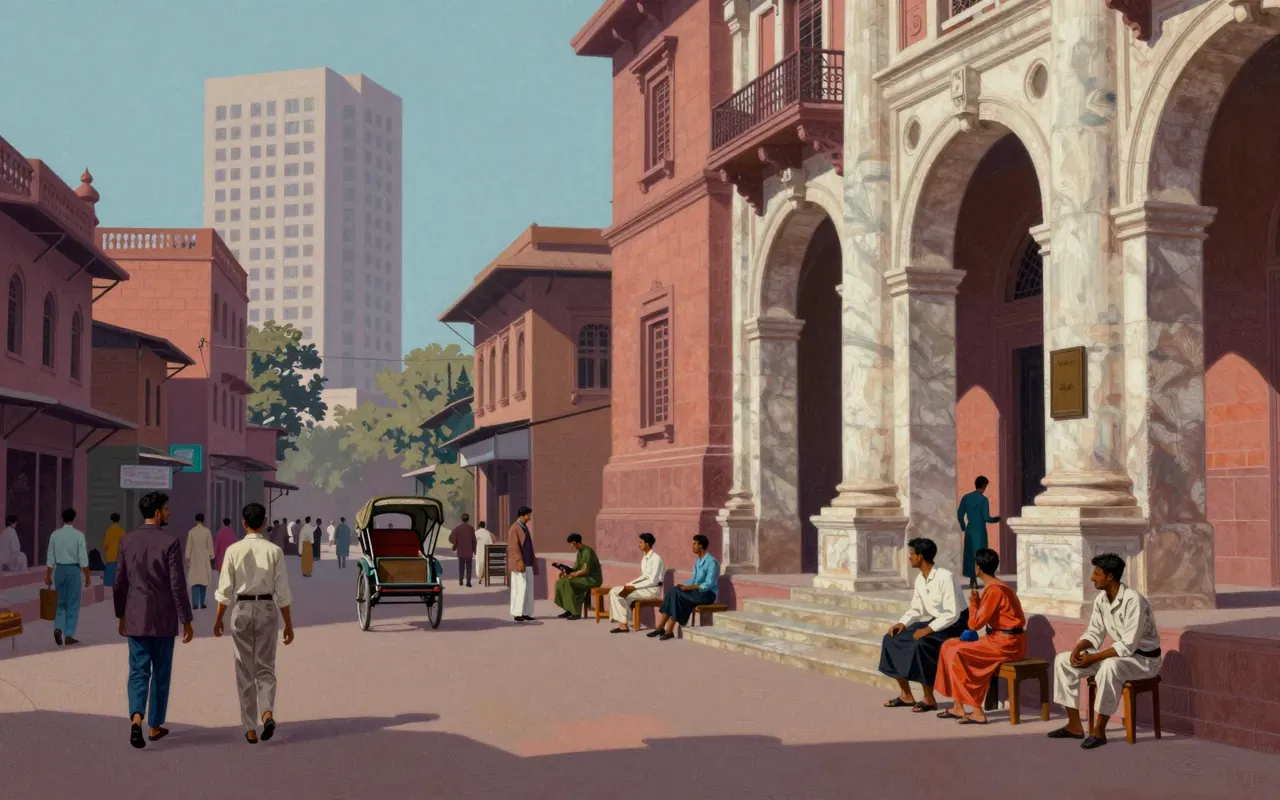
National Museum of India1949The National Museum, founded in 1949 on Janpath under the Ministry of Culture, showcases 200,000 works of Indian art. It preserves a vast collection, offers a museology university, yet displays only 6‑7 % of its holdings. The museum remains a central repository for Indian heritage but struggles with limited space and regional representation.
8:56
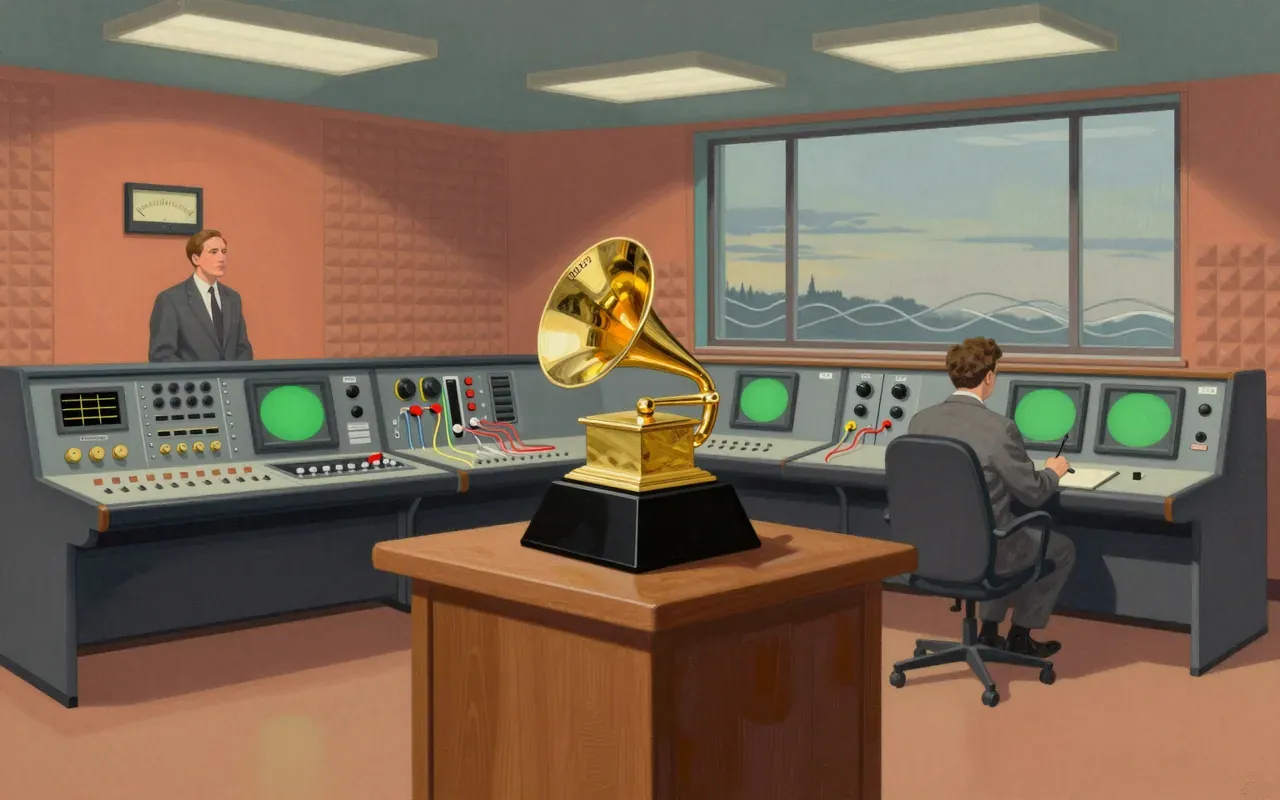
Grammy Awards1958The Grammy Awards began in 1959 as a recording-industry initiative spun off from the Hollywood Walk of Fame project. They honoured achievements from 1958, used a dual-city format (Beverly Hills and New York), and were televised from year two—but not live until 1971. Their 2024 move to ABC/Disney+/Hulu marks a structural shift: legitimacy now flows from platform contracts, not cultural weight.
9:47
Baba ghanoushBaba ghanoush is a Levantine meze built on flame-roasted eggplant. Its name originates in Syrian and Lebanese Arabic. It entered Israeli cuisine between 1949 and 1959. Tahini is not required — and its absence distinguishes it from mutabbal and other regional variants. Roasting over open flame is essential. It matters now because it reveals how naming, austerity, and adjacency shape what counts as ‘local’ food.
9:24
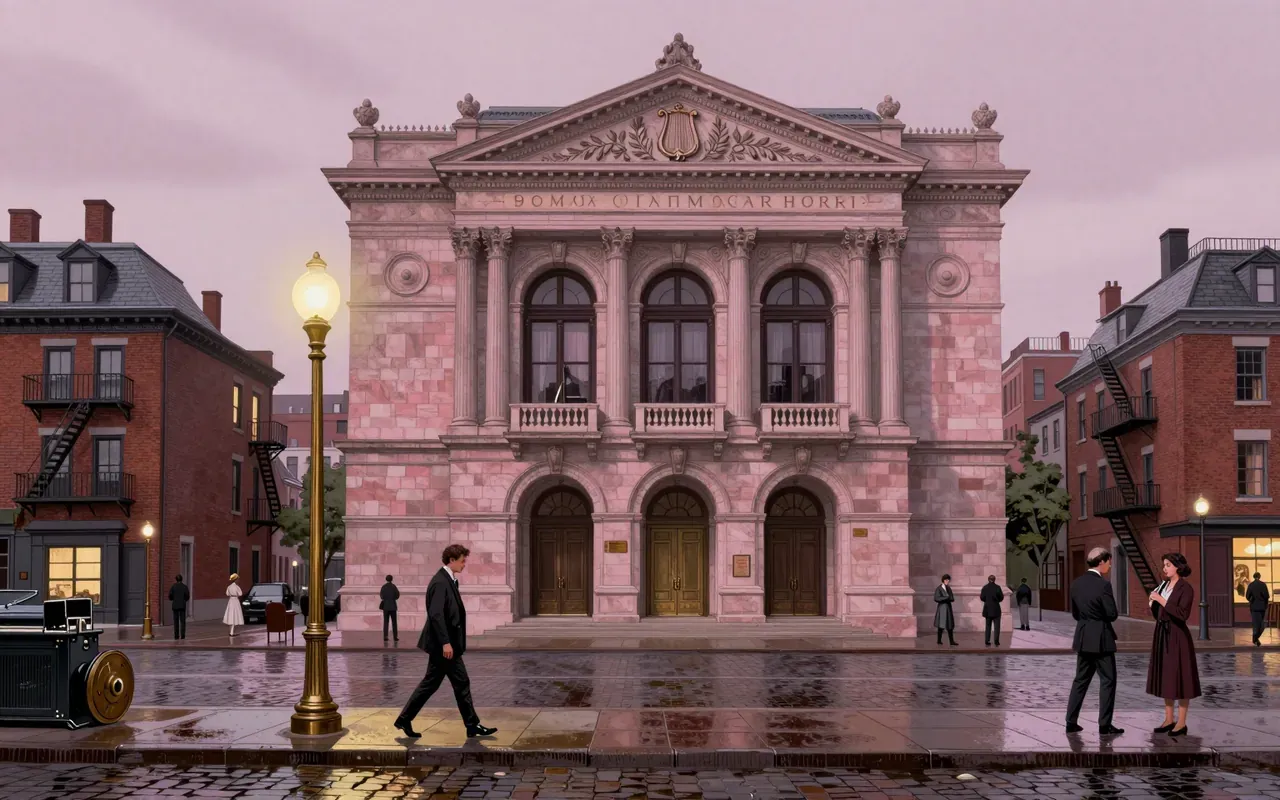
Metropolitan Opera House (Philadelphia)The Metropolitan Opera House (Philadelphia) is a 1908 building originally built by Oscar Hammerstein I as the home of his Philadelphia Opera Company. It was sold to New York’s Metropolitan Opera in 1910 and used by them through the 1920s. After that, it served as a movie theatre, ballroom, sports venue, mechanic training centre, church, and—since December 2018—a Live Nation pop concert venue. It was listed on the National Register of Historic Places in 1972. In 1988 it fell into disrepair and disuse; in 1995 it became the Holy Ghost Headquarters Revival Center at the Met.
Up next in Culture

Parmesan

· 9:20

Parmesan is not a taste—it’s a legal boundary tested with a hammer.

9:20