8:07in productionCh. 1 · What ‘ultras’ means/ 8:07 · ceiling 15 min
Subcultures · Movements & scenes
Ultras
Ultras aren’t fans — they’re choreographed dissent with flares.
Ultras are fanatical, organised football supporters who use chants, drums, flares, smoke bombs, flags, banners and choreographed displays to energise their team and intimidate opponents. They originated in Italy — the term entered usage in 1969, though the first recognised Italian groups formed in 1951. While associated with hooliganism and far-right or far-left politics, fighting is not their explicit aim, and team support can recede behind those dimensions. In recent decades, ultras culture has become a focal point for resistance to football’s commercialisation.
Ultras are defined by fanatical, organised support — and the term began in Italy.
2:11
How they perform
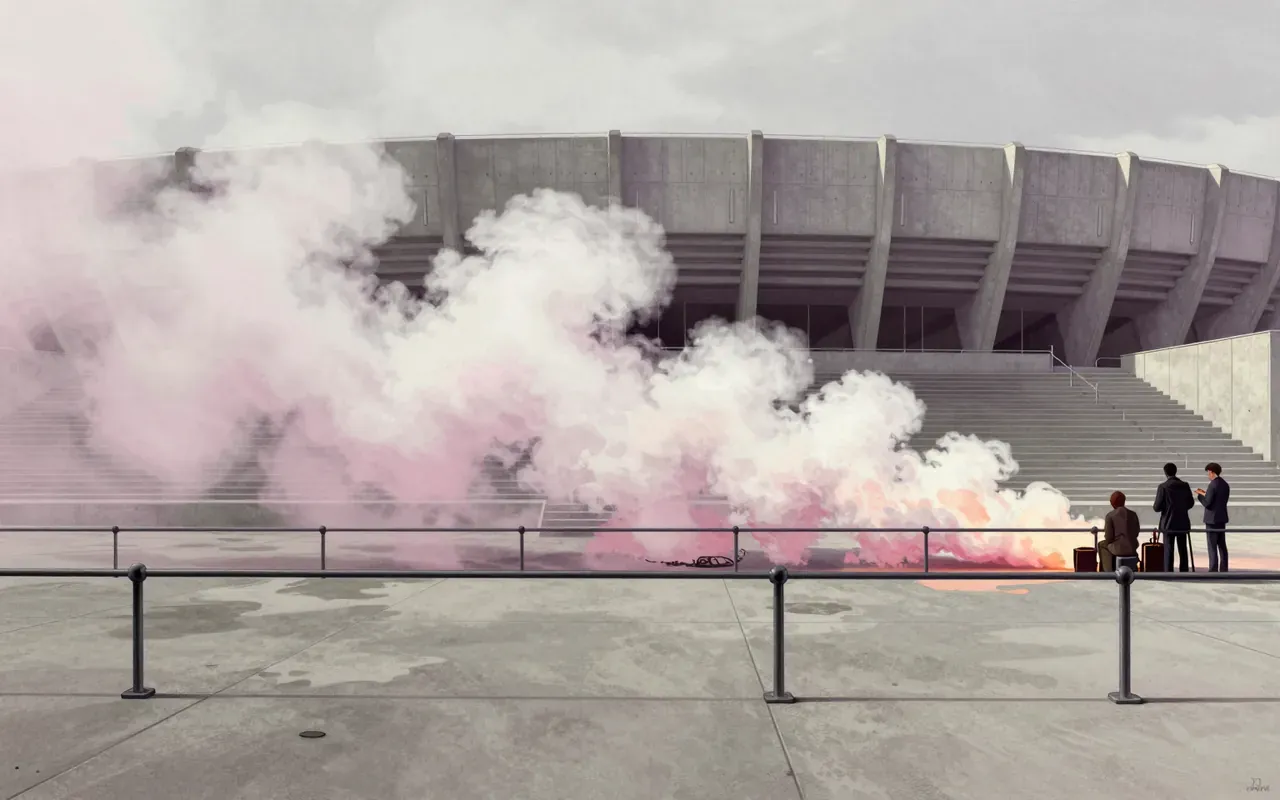
Their tools are sound, smoke, colour and movement — all staged to energise and intimidate.
3:30
Where loyalty breaks down
Fighting isn’t their aim — but politics and hooliganism can eclipse team loyalty.
5:11
Why they resist
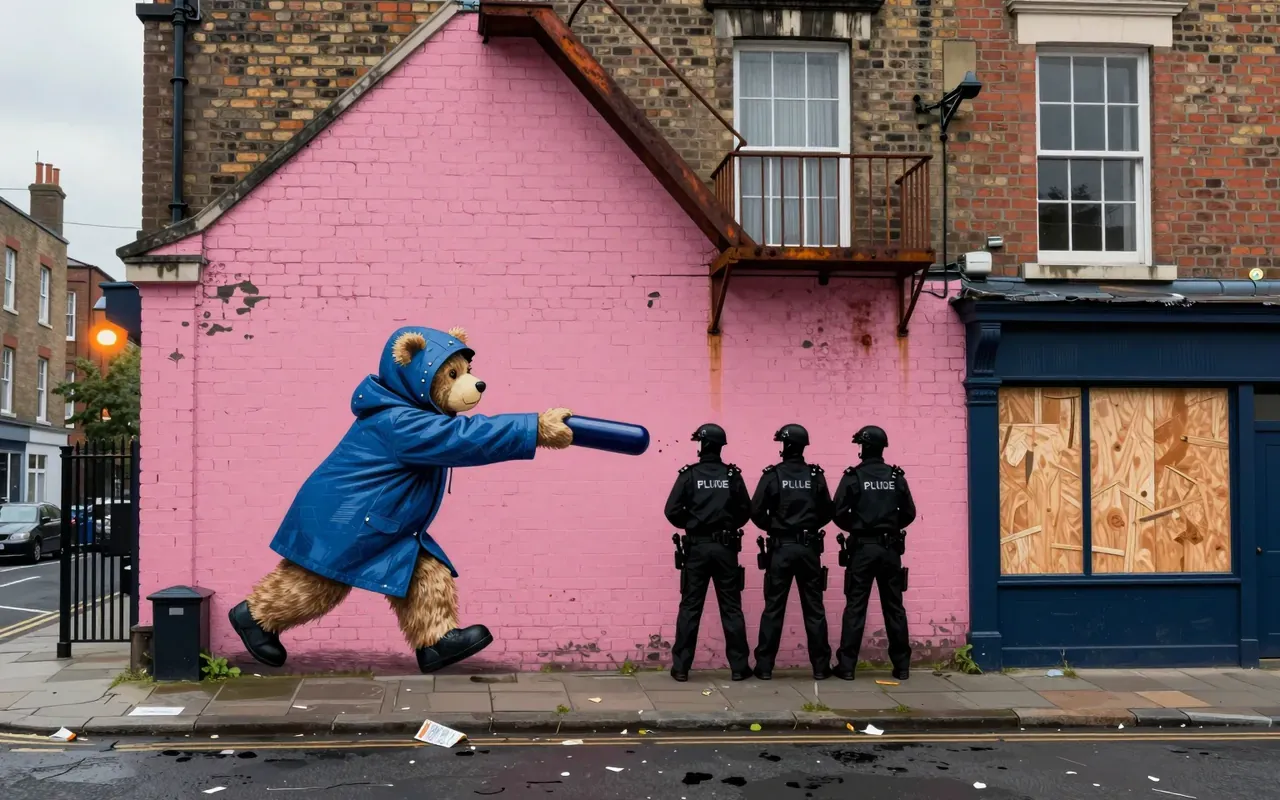
They’ve become the most visible cultural opposition to football’s corporate takeover.
Worth your time?
Yes. Study the whole thing.
3.5/ 5
What works
as a cultural counterweight to stadium branding
as a live archive of working-class visual language
as a warning about ideology displacing shared purpose
What does not
celebrity
nostalgia
individualism
Study it if
people who study collective behaviour
football fans tired of passive consumption
critics of sports commodification
Skip it if
those seeking apolitical community
casual viewers
fans who prioritise match analysis over atmosphere
The written brief1 min read
What the thing is
Ultras are organised, fanatical football supporters defined by coordinated performance — not passive watching.
Where it came from
The term originated in Italy in 1969. The first recognised Italian ultras groups formed in 1951.
What it gets right
Ultras get atmosphere right. Their chants, drums, flares and tifo create visceral, collective energy that amplifies team identity and disrupts the sterile stadium experience.
What it gets wrong
Ultras get loyalty wrong. Team support is sometimes secondary to hooliganism or far-right or far-left politics — making the ‘fan’ label misleading where ideology or violence dominates.
Why it matters now
Ultras matter now because they anchor one of the last visible, physical resistances to football’s full commercialisation — even as that resistance fractures along political lines.
Is it worth your time
Yes — if you want to understand how football fandom became a site of cultural resistance, political signalling and sensory spectacle. No — if you expect coherent ideology, consistent team loyalty or non-commercialised community.