9:59in productionCh. 1 · Not a poem. A trigger./ 9:59 · ceiling 15 min
Literature · Ideas
Haiku
Haiku is not a minimalist poem. It is a tightly constrained linguistic apparatus — and most English versions break it.
Haiku is a seventeen-mora form rooted in renga, requiring kireji and kigo. It was named by Masaoka Shiki in the late 19th century. Its English adaptations often misapply the 5-7-5 rule and ignore structural functions of kireji and saijiki. Bashō’s deviations prove the form’s rigour — not its flexibility.
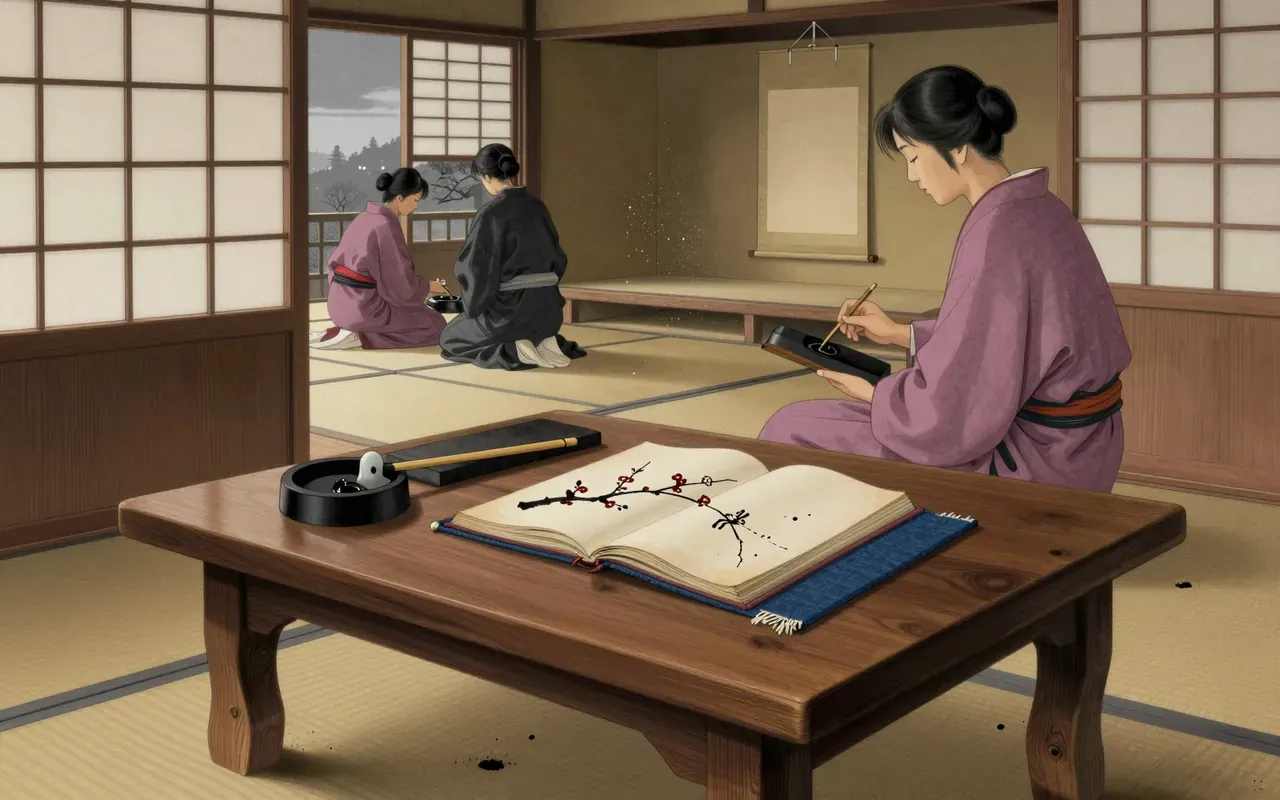
Haiku began as hokku — the first stanza of a linked-verse chain, not a standalone lyric.
2:20
A name added later
Masaoka Shiki named it 'haiku' only at the end of the 19th century — retroactively defining a tradition.
3:28
Two non-negotiable parts
Kireji gives structural support. Kigo anchors time. Neither is optional in traditional practice.
5:23
The English distortion
English haiku use three lines and often chase 17 syllables — even as practitioners move toward brevity.
6:54
Rules broken with purpose
Bashō broke the rules — but his deviations were deliberate, not permissive.
Worth your time?
Yes. Study the whole thing.
4/ 5
What works
as a diagnostic tool for attention
as a counterweight to linguistic inflation
What does not
culture/art
culture/photography
culture/cities
culture/generations
Study it if
writers
translators
teachers of writing
Skip it if
casual readers seeking inspiration
students told it is 'simple poetry'
The written brief1 min read
What the thing is
Haiku is a seventeen-mora Japanese poetic form requiring kireji and kigo, originally the hokku — the opening stanza of renga.
Where it came from
It emerged from collaborative renga in Japan. Masaoka Shiki renamed it ‘haiku’ at the end of the 19th century.
What it gets right
It establishes concision as discipline. It uses juxtaposition to generate meaning without explanation. It binds observation to time through kigo.
What it gets wrong
The 5-7-5 syllable rule in English misrepresents the Japanese on-count. It flattens kireji into line breaks. It treats saijiki as ornament, not constraint.
Why it matters now
It persists as a test of linguistic economy in an age of surplus text — but only when read as a system of constraints, not a template for minimalism.
Is it worth your time
Yes — if you want a form that forces precision, reveals gaps between perception and language, and resists easy translation.