Carson McCullers wrote Southern Gothic fiction centred on spiritual isolation in small Southern towns. Her first novel, published in 1940 when she was 23, was praised by Richard Wright as the first in Southern fiction to treat Black characters with full humanity and equal narrative weight. She worked quickly—finishing Reflections in a Golden Eye in two months—and drew heavily on autobiographical material. Her method was consistent, her scope narrow but deep, and her achievement specific: not universal acclaim, but a singular, verified breakthrough in racial representation within a constrained literary tradition.
She mapped spiritual isolation across novels set in the Deep South—not as metaphor, but as lived condition.
3:00
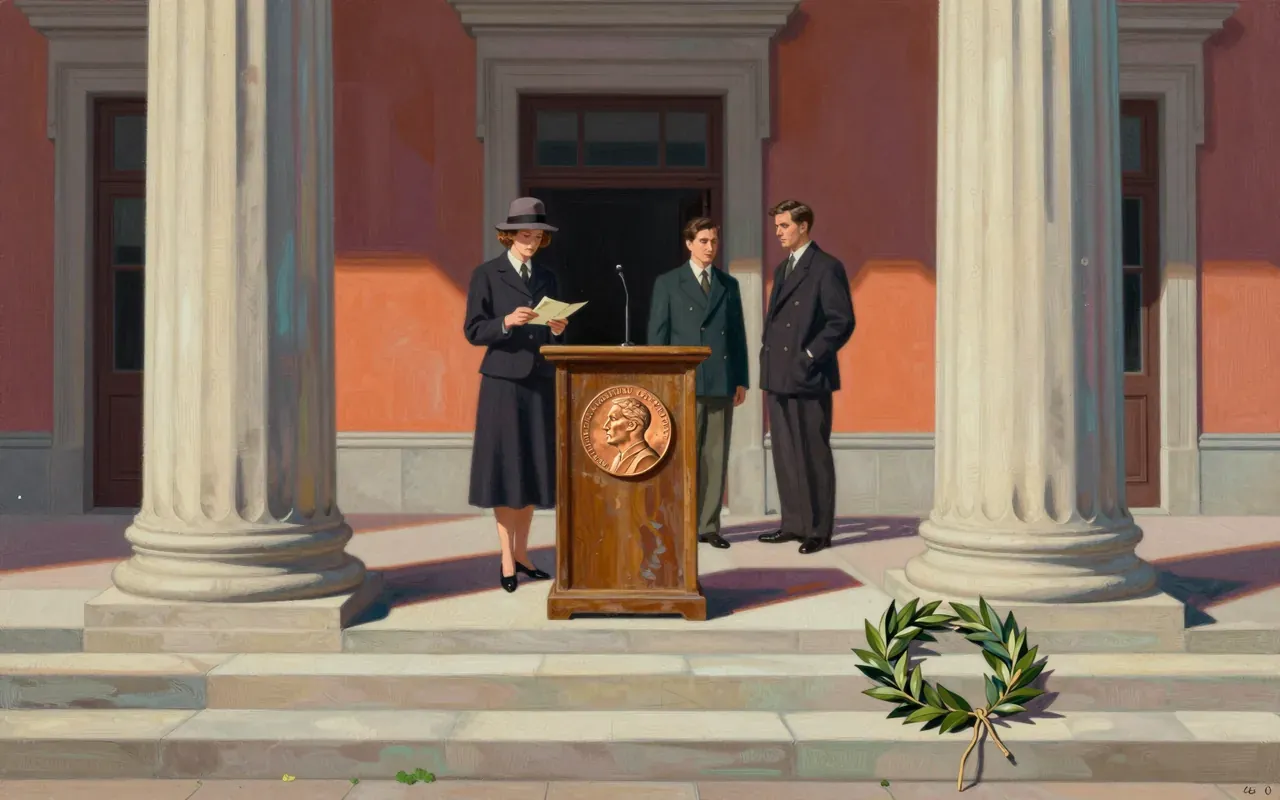
A First in Southern Fiction
Richard Wright called her the first white Southern writer to portray Black characters with full humanity—and equal narrative weight.
4:41
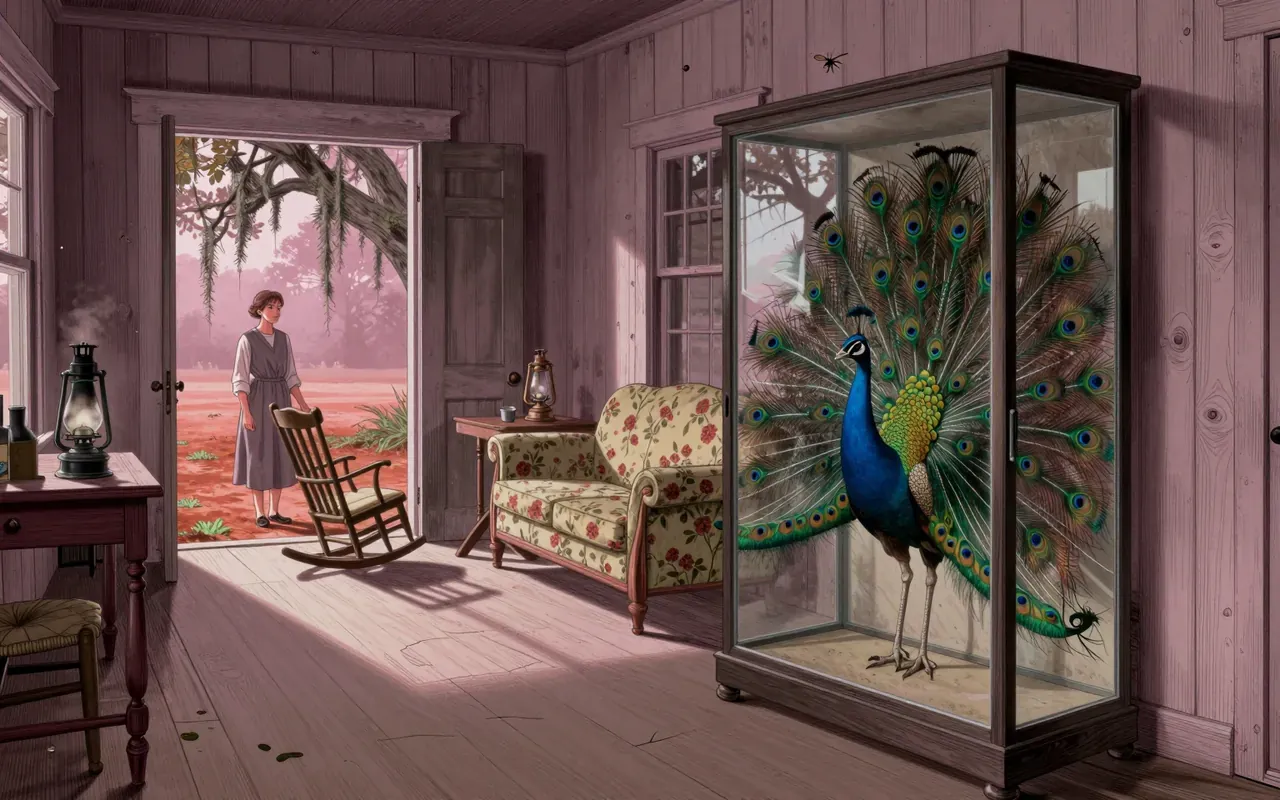
Gothic as Autobiography
Southern Gothic was her mode, not her mask: she used it to channel autobiography, not aesthetic distance.
6:07
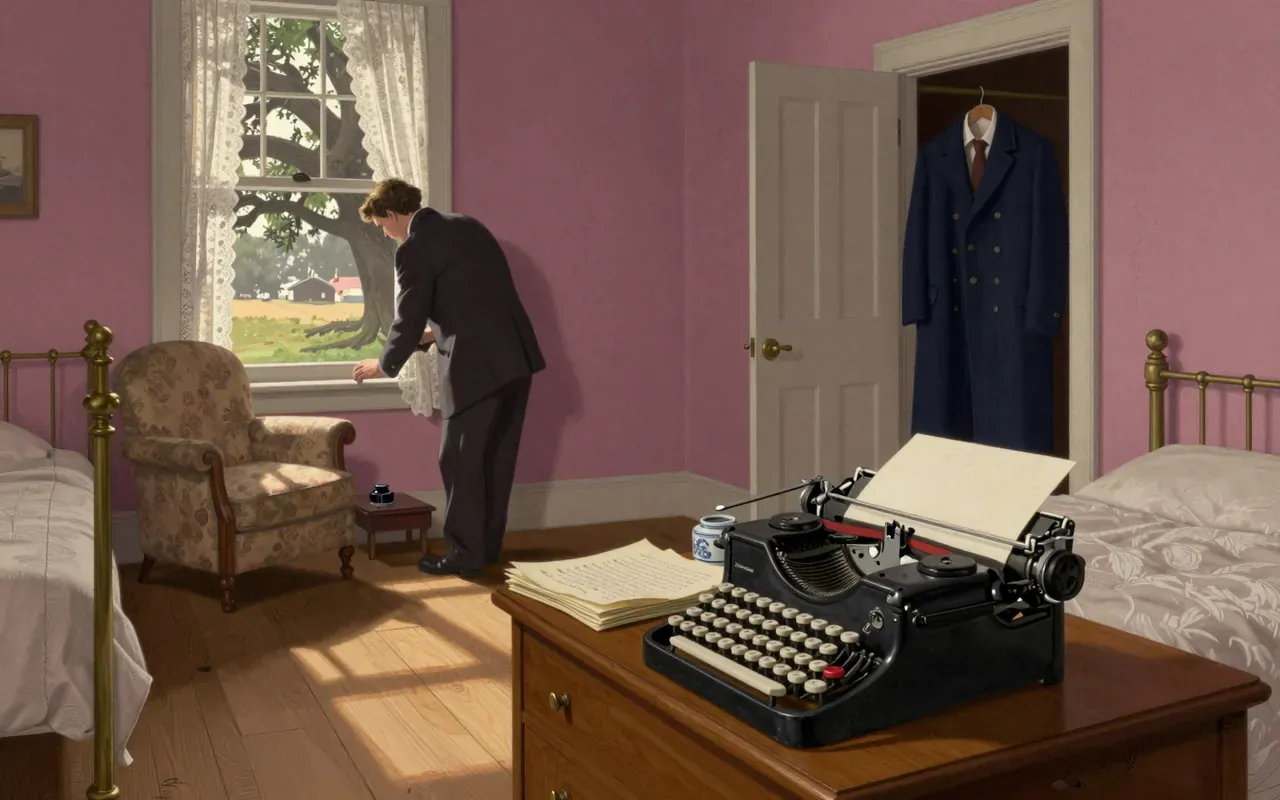
Rapid, Not Rushed
She wrote Reflections in a Golden Eye in two months—proof that speed didn’t dilute her precision.
Worth your time?
Yes. Study the whole thing.
4/ 5
What works
The Heart Is a Lonely Hunter
Reflections in a Golden Eye
What does not
iconic
groundbreaking
seminal
timeless
Study it if
readers of Southern fiction
students of race and representation in literature
writers studying constrained, repetitive forms
Skip it if
readers seeking formal innovation
those looking for broad social critique beyond character interiority
The written brief1 min read
What the thing is
Carson McCullers is a Southern Gothic novelist who wrote about spiritual isolation in the Deep South, using autobiographical material and rapid composition to produce tightly focused novels about misfits and outcasts.
Where it came from
She emerged from the American South between 1936 and 1940, publishing her first work ‘Wunderkind’ at 19 and her debut novel The Heart Is a Lonely Hunter at 23—both rooted in personal experience and Southern geography.
What it gets right
McCullers renders spiritual isolation with clarity and consistency. She places misfits—deaf, queer, Black, adolescent—in small Southern towns and lets their inner lives speak without condescension. Richard Wright confirmed her Black characters were fully human, handled with ‘as much ease and justice’ as white ones—a first in Southern fiction.
What it gets wrong
She repeats the same structural and emotional patterns across novels: a mute or silenced central figure; concentric circles of alienation; Southern Gothic tropes deployed without subverting the genre’s racial or class assumptions beyond characterisation.
Why it matters now
Her humane depiction of Black interiority remains rare in mid-century white Southern fiction—and stands as a benchmark against which later representations are measured, not as a milestone but as a solitary, verified instance.
Is it worth your time
Yes—if you want to read Southern Gothic fiction that treats Black characters with humanity before it was common, and that maps spiritual isolation with surgical precision.