What the thing is
Langston Hughes is a poet, essayist, and columnist who pioneered jazz poetry and wrote a foundational manifesto for Black artistic independence.
Where it came from
He emerged from Joplin, Missouri, and the Harlem Renaissance. His first jazz poem was written in high school. His first and last published poems appeared in The Crisis.
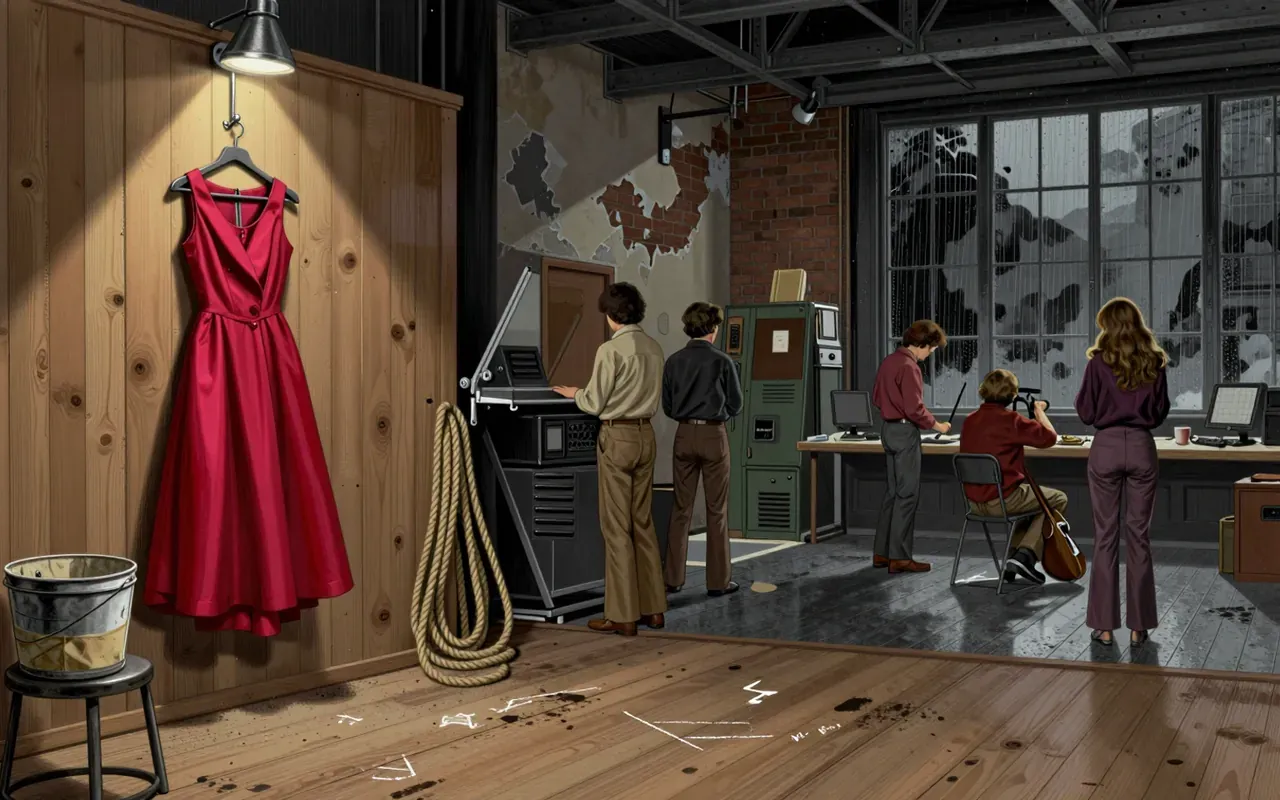
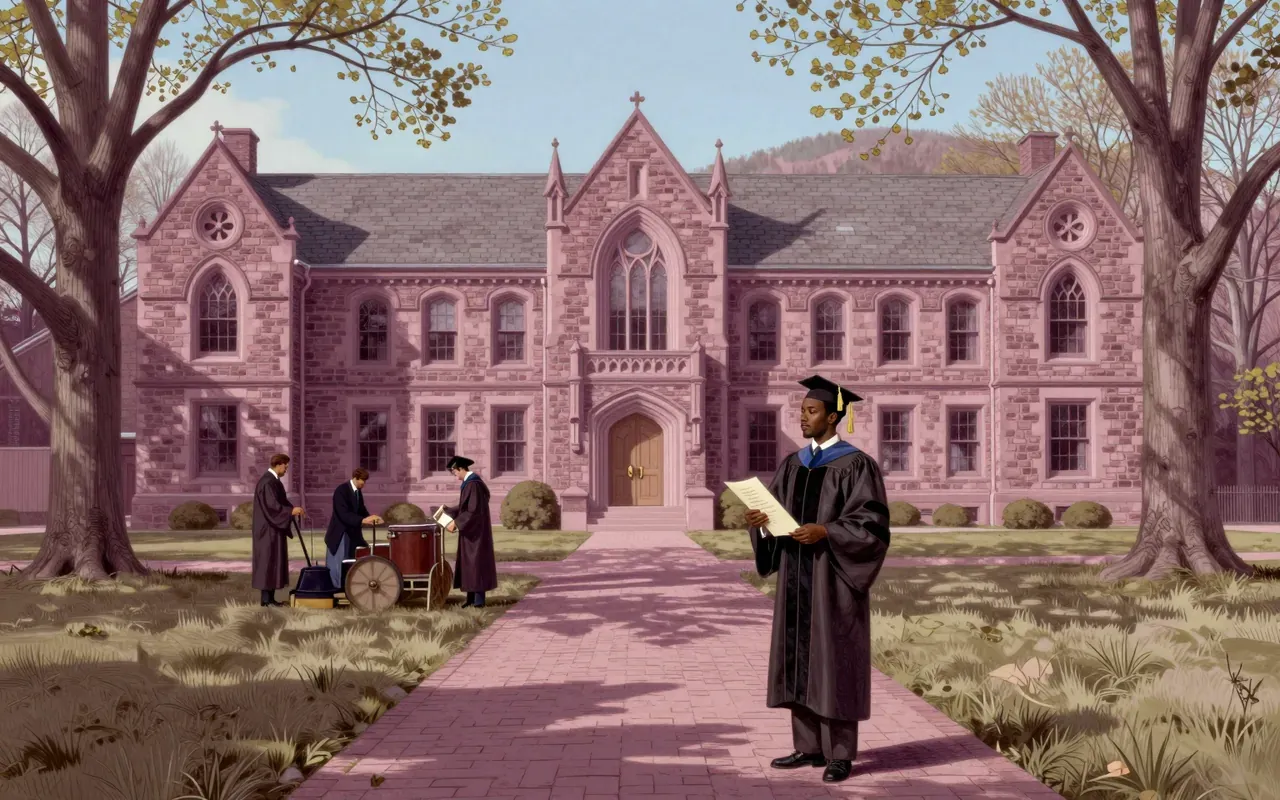
He was raised mostly in Lawrence, Kansas, by his maternal grandmother, Mary Patterson Langston, whose stories of Black resistance, dignity and perseverance shaped his sense of racial responsibility. In grammar school he was elected class poet; he later said he thought it was because of the stereotype that Black people have rhythm. That first piece of jazz poetry was “When Sue Wears Red”. His signature poem, “The Negro Speaks of Rivers”, first appeared in The Crisis in 1921 and was collected in his first book, The Weary Blues (1926).
What it gets right
Hughes centres Black working-class life without pity or exoticism. He shows it as full of struggle, joy, laughter, and music. His jazz poetry treats rhythm and speech as structural, not decorative.
Hughes and his contemporaries tried to depict the real lives of Black people in the lower social and economic strata and criticised divisions within the Black community based on skin colour; “The Negro Artist and the Racial Mountain”, published in The Nation in 1926, is regarded as their manifesto. Most of his contemporaries also worked together on the short-lived magazine Fire!! Devoted to Younger Negro Artists. In 1943 he began publishing stories about Jesse B. Semple, “Simple”, an everyday Black man in Harlem who offered musings on topical issues.
What it gets wrong
The material does not record any missteps, omissions, or failures. It states no errors, contradictions, or critical shortcomings.
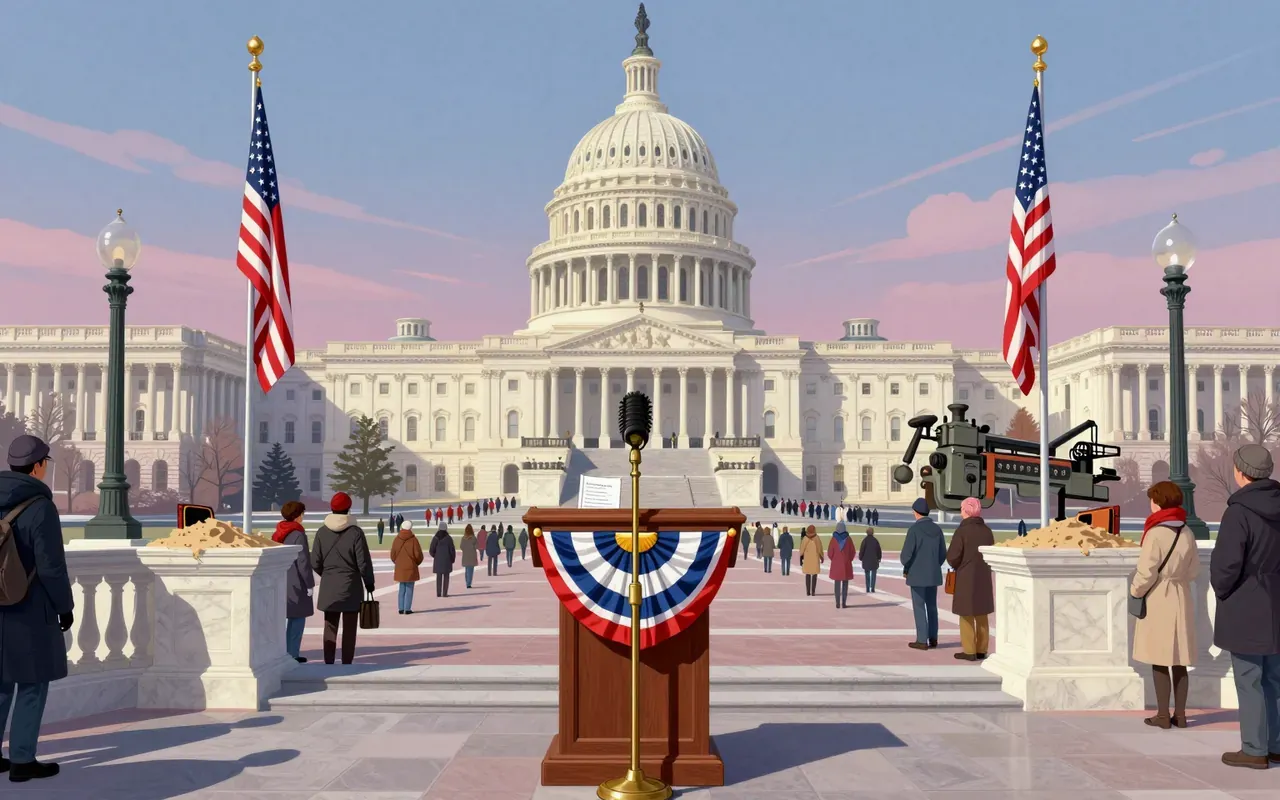
There were also disputes about him. From the mid-1950s to the mid-1960s many younger Black writers considered his writing of Black pride out of date and thought him a racial chauvinist. A 1932 pageant he co-wrote celebrating Caroline Decker’s work with the striking coal miners of the Harlan County War was never performed; it was judged a long, artificial propaganda vehicle. He signed a 1938 statement supporting Stalin’s purges. In 1953 he was called before Senator Joseph McCarthy’s Senate subcommittee; he had always denied being a Communist, and afterwards he distanced himself from Communism and left his radical socialist verse of the 1930s out of Selected Poems (1959).
Why it matters now
His insistence on artistic self-determination—on writing for and from Black life, not for white approval—remains a live standard against which contemporary cultural production is measured.
Hughes’s race consciousness and cultural nationalism influenced foreign Black writers including Jacques Roumain, Nicolás Guillén, Léopold Sédar Senghor and Aimé Césaire, and his work helped inspire the Negritude movement in France. He is also credited with a technical influence through his emphasis on folk and jazz rhythms as the basis of his poetry of racial pride. His weekly column in the Chicago Defender ran from 1942 to 1962.
Is it worth your time
Yes—if you want to understand how Black vernacular, working-class life, and musical form became legitimate subjects of American poetry.