Saved
Literature · Ideas

Octavia E. Butler

She didn’t wait for permission — she bought her own typewriter at ten.

Worth your time?4.5/5Yes.Study the whole thing.What works, what does not, who it is for ↓
8:40in productionCh. 1 · The Typewriter/ 8:40 · ceiling 15 min
4 chapters · 8:40Ceiling 15:00

The brief is written and checked. The video joins this page when it is cut.4 chapters · 1 min read · 8:40 planned

Read the brief

Octavia E. Butler was an American science fiction and speculative fiction author whose career was built on early, self-directed discipline — typing stories at age 10, attending night college while working full-time, winning her first writing income ($15) as a freshman, and earning a MacArthur Fellowship in 1995 as the first science-fiction writer to do so.

Chapters & takeaways4
  1. 1:00
    The Typewriter

    She started writing science fiction at age 10 — on a Remington typewriter, two fingers at a time.

  2. 2:11
    Night School

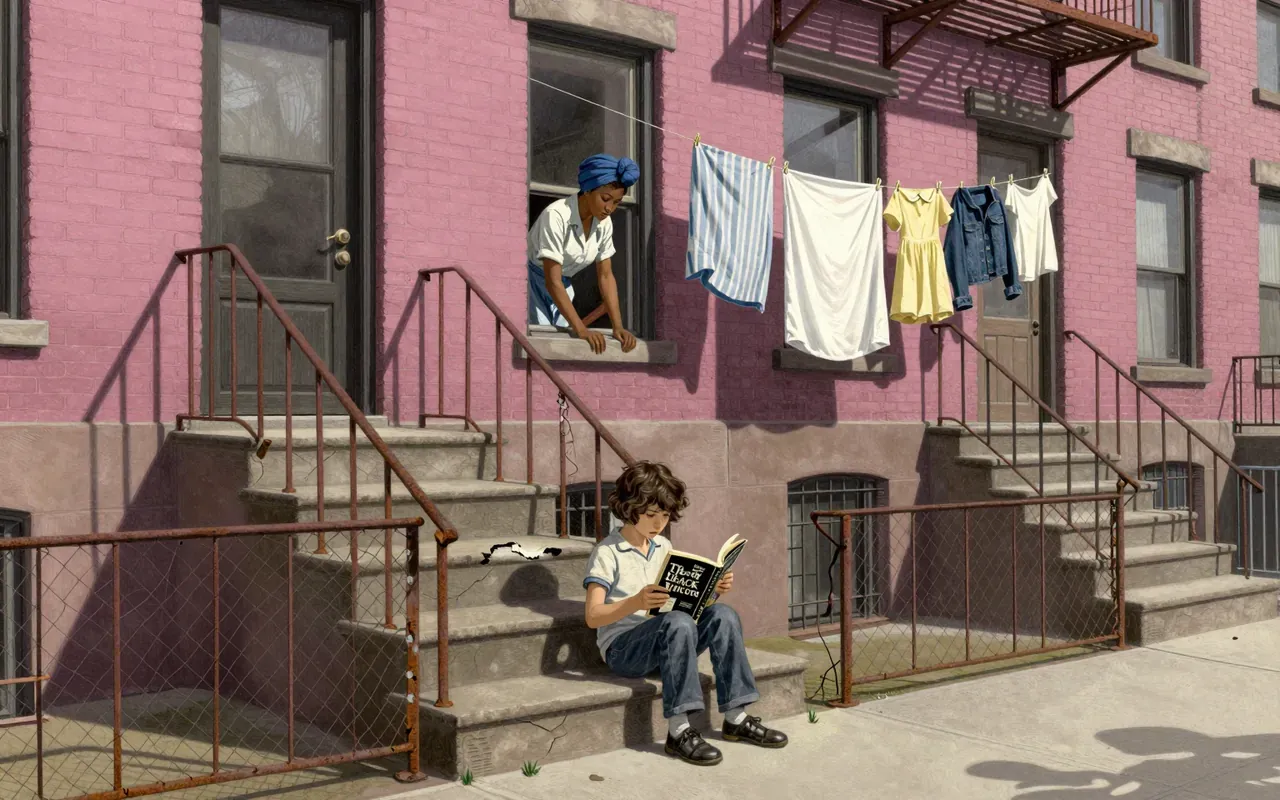
    She wrote science fiction as a teenager while working full-time and studying history at night college.

  3. 3:41
    $15 and the Germ

    Her first income as a writer was $15 — from a short-story contest — and it contained the germ of Kindred.

  4. 5:09
    The MacArthur First

    In 1995, she became the first science-fiction writer to receive a MacArthur Fellowship.

1 more chapterFewer chapters
Worth your time?

Yes. Study the whole thing.

4.5/ 5
What works
  • Kindred
What does not
  • influence
  • legacy
  • reception
  • readership
Study it if
  • writers
  • students
  • teachers
Skip it if
  • fans seeking origin myths
  • scholars seeking contextual analysis
Who should study it, and who should skipHide who it is for
The written brief1 min read

What the thing is

Octavia E. Butler was an American science fiction and speculative fiction author.

Where it came from

She began writing science fiction as a teenager. After high school in 1965, she worked days and attended Pasadena City College at night, graduating in 1968 with an associate degree in history.

What it gets right

Butler treated science fiction as a method, not a genre. Her writing practice began at age 10 on a Remington typewriter. She wrote two-fingered, persistently, long before publication.

What it gets wrong

The material does not support claims about Butler’s influence on other writers, movements, or cultural shifts. It says nothing about readership demographics, reception at time of publication, or legacy beyond awards and institutional recognition.

Why it matters now

Because her disciplined, self-taught approach — typewriter, night classes, contest wins — redefines authorship as sustained labour, not inspiration. That model is urgent in an age of algorithmic content and credential inflation.

Is it worth your time

Yes — if you want to understand how speculative fiction became a tool for structural analysis, not just escape.
Same beat · Literature4 of 69
Up next in Culture

Origami

· 9:22

Origami isn’t universal—it’s Japanese ritual that got renamed and rebranded.

9:22