What the thing is
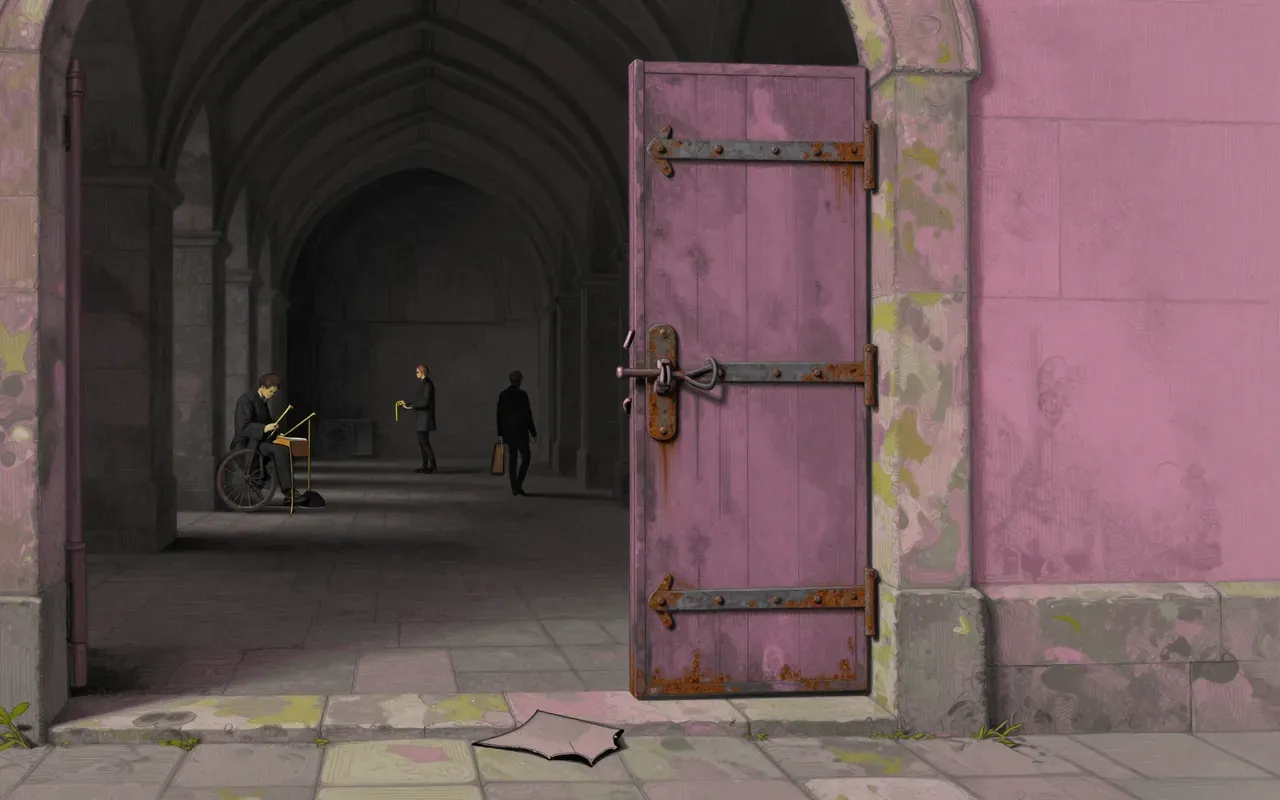
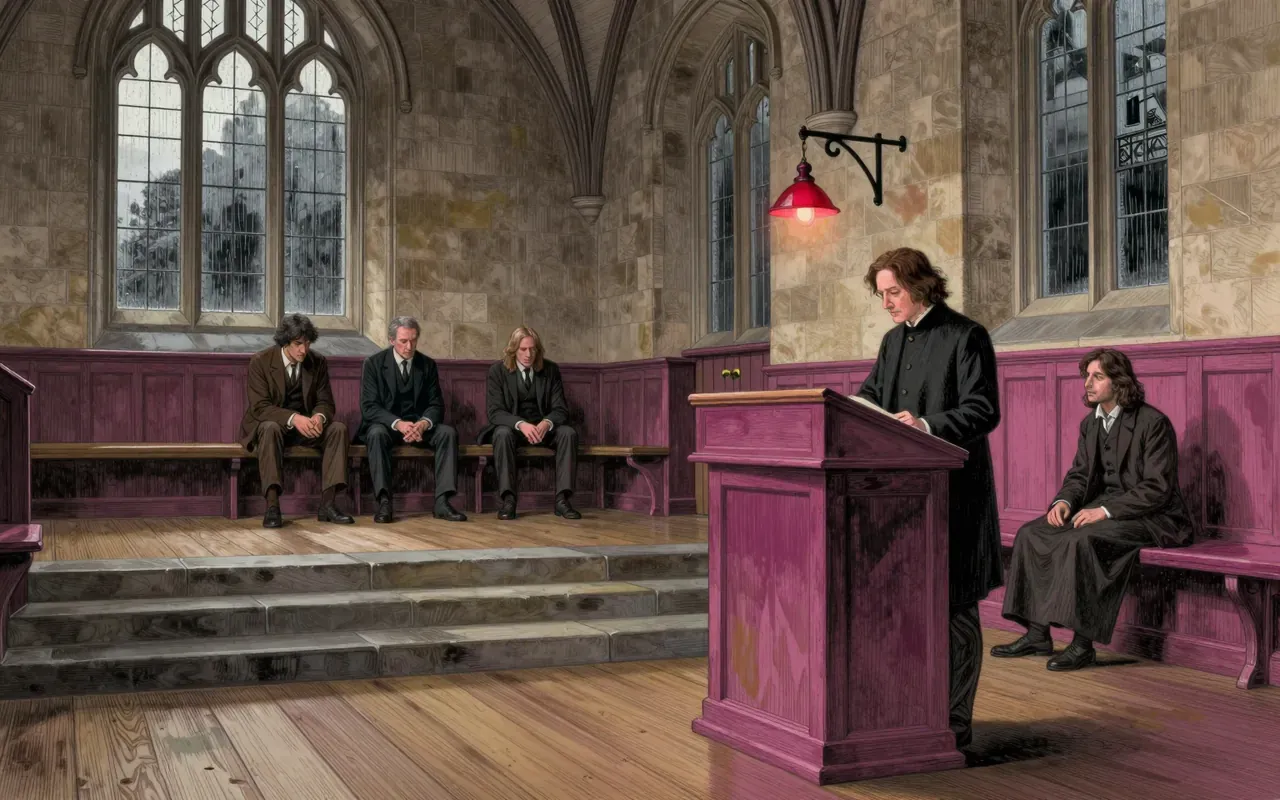
Absurdism is a philosophical theory. It states the universe is irrational and meaningless. It claims existence as a whole is absurd. The absurd arises only when human meaning-seeking confronts that void.
Where it came from
It originates in 19th-century Denmark with Kierkegaard. It gains systematic form in mid-20th-century France through Camus’s work. The term ‘absurdism’ is most closely associated with Albert Camus’s philosophy.
What it gets right
It names the friction between human meaning-making and cosmic silence. It locates the absurd not in the self or the world alone, but in their collision. It refuses both faith and surrender.
What it gets wrong
It assumes the demand for meaning is universal and inescapable. It offers no method to live with the tension beyond lucid rebellion — which remains abstract, untested, and unequally accessible.
Why it matters now
Because algorithmic feeds, climate collapse, and institutional erosion have made cosmic silence feel less metaphysical and more ambient. The confrontation Camus described is now daily infrastructure.
Is it worth your time
Yes — if you are wrestling with meaning in a world that offers none. No — if you expect answers, comfort or resolution.