What the thing is
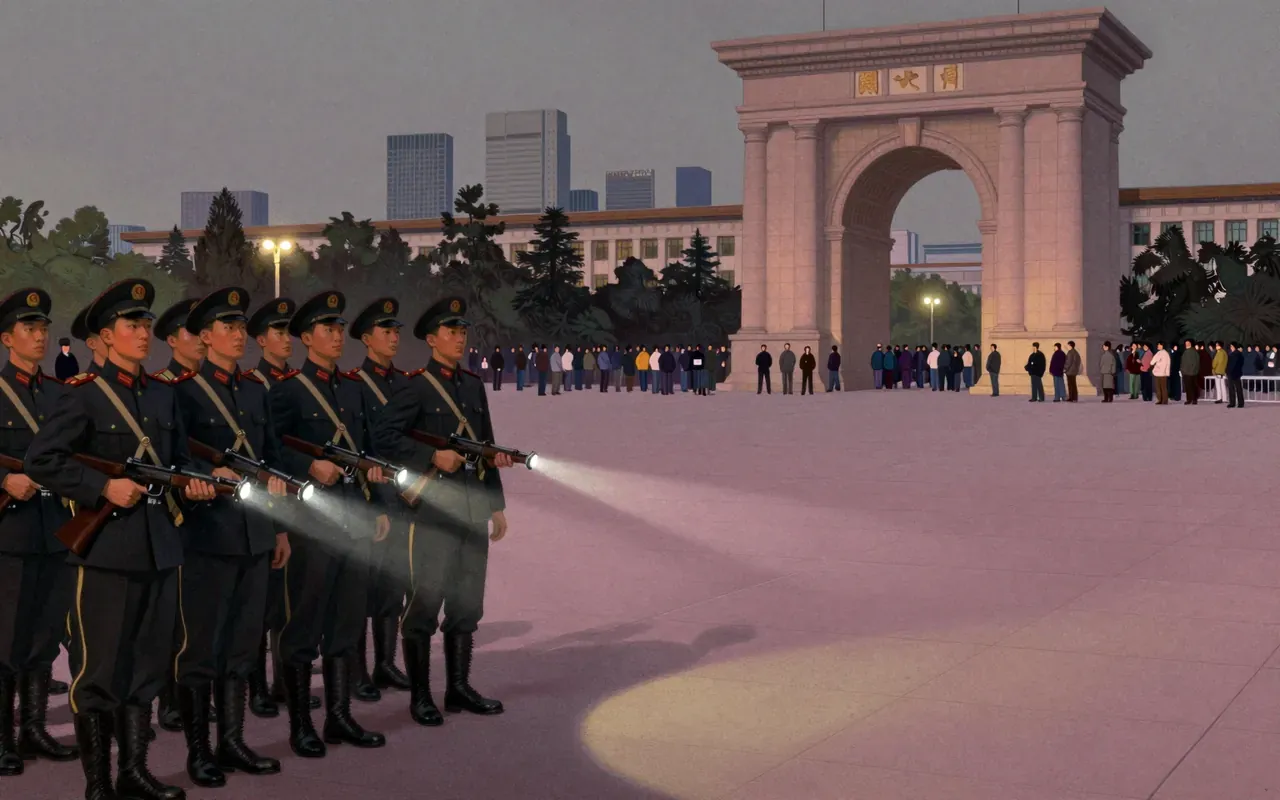
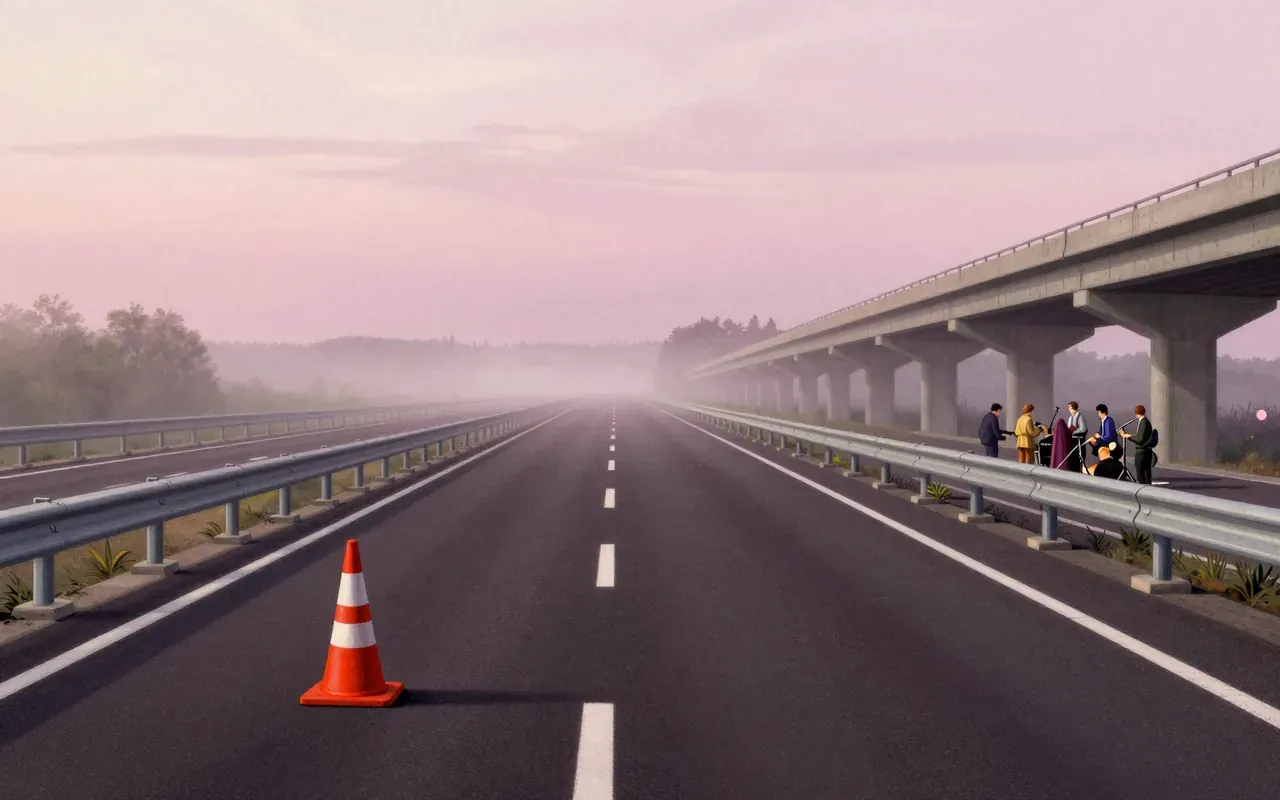
Paul Virilio was a French cultural theorist, urbanist, architect and aesthetic philosopher who developed dromology—the logic and impact of speed—as a framework to analyse architecture, the arts, the city and the military.
Where it came from
Virilio emerged from Paris (1932–2018), shaped by conscription in the Algerian War, phenomenology lectures by Maurice Merleau-Ponty at the Sorbonne, and later teaching at the European Graduate School from 1998.
What it gets right
Virilio correctly identifies speed as a structural force—not just a metric but a condition that alters essence, reorders territory, and enables domination. His claim that possession of territory depends first on movement and circulation remains analytically sharp.
What it gets wrong
He offers no mechanism for resistance, no account of slowness as agency, and no engagement with how speed is unevenly distributed across class, gender or geography. The theory assumes velocity as universally operative, not contested or contingent.
Why it matters now
Because algorithmic acceleration, drone warfare, real-time media saturation and infrastructural collapse all operate within dromological logic—yet Virilio’s work forces us to name speed as power, not progress.
Is it worth your time
Yes—if you need a precise, unsentimental vocabulary for how speed reshapes power, territory and perception. No—if you expect solutions, historical narrative or empirical data beyond Virilio’s own claims.