9:16in productionCh. 1 · A man in time/ 9:16 · ceiling 15 min
Ideas · Society
Confucius
Confucius didn’t invent virtue—he weaponised ancestry, enforced hierarchy, and called it harmony.
Confucius was a Chinese philosopher of the Spring and Autumn period who transmitted earlier values, advocated filial piety and the Silver Rule, sought centralized ducal authority through dismantling aristocratic fortifications, executed Shaozheng Mao as Minister of Crime, and disapproved violent revolution by principle.
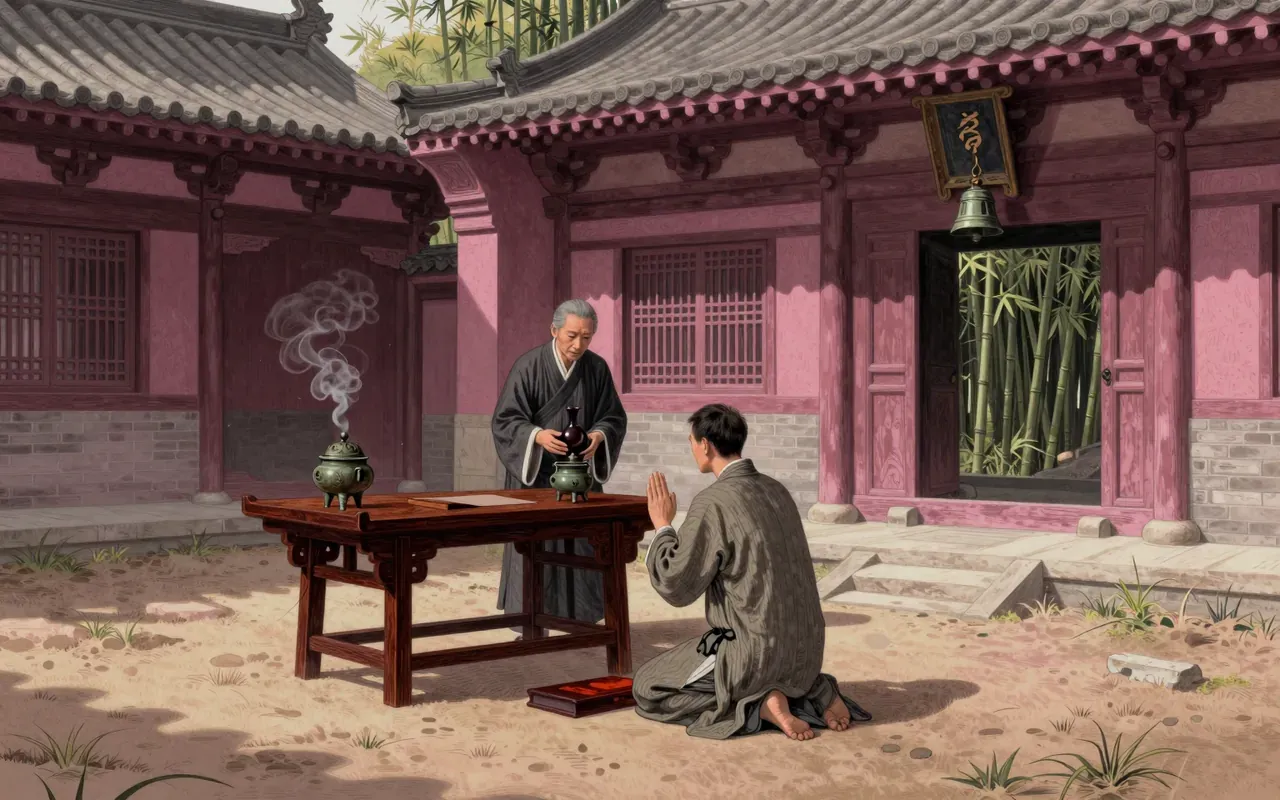
Confucius was a philosopher of the Spring and Autumn period—not a sage of myth, but a historical actor in a crumbling feudal order.
2:46
Transmission, not revelation
He transmitted older values, anchored ethics in filial piety and the Silver Rule—not revelation or reason alone.
4:27
The family as state
He made the family the unit of governance—and tried to restore ducal power by dismantling aristocratic fortifications.
5:48
Order over upheaval
He executed a rival scholar and rejected violent revolution—proving his ethics served order, not justice.
Worth your time?
Yes. Study the whole thing.
3.5/ 5
What works
Analects
What does not
influence
define
start
found
Study it if
rulers
scholars
families
Skip it if
rebels
peasants
women
The written brief1 min read
What the thing is
Confucius was a philosopher who systematised inherited norms into a political-ethical framework centred on filial piety, ritual propriety, and state authority.
Where it came from
He emerged in the Spring and Autumn period of Chinese history—c. 551–c. 479 BCE—in the Lu state, amid fragmentation of ducal power and rising aristocratic autonomy.
What it gets right
Confucius correctly identified the family as a site of ethical training. He grounded ethics in reciprocity, not divine command. His Silver Rule is precise, actionable, and avoids moral overreach.
What it gets wrong
He sought centralised ducal power while accepting aristocratic hierarchy as natural. His execution of Shaozheng Mao shows his method was punitive, not dialogic. He disapproved of violent revolution but tolerated entrenched domination by the Ji family.
Why it matters now
His model persists wherever governance is justified through cultural continuity rather than consent—and where family obligation is conflated with civic duty.
Is it worth your time
Yes—if you want to understand how moral authority can be built on transmission, not invention, and how family loyalty became political infrastructure.