7:32in productionCh. 1 · Not the future. A response./ 7:32 · ceiling 15 min
Ideas · Society
Posthumanism
Posthumanism names the crisis of human exceptionalism—but refuses to say what comes after the human.
Posthumanism is a continental philosophy and critical theory idea emerging since the late 1970s. It responds to anthropocentrism in 21st-century thought. It relegates humanity to one of many natural species. It posits human ties to the nonhuman. It directly questions anthropocentrism, speciesism, and biopolitics. One philosophical variety, objectivism, emphasises nonhuman agents.
Posthumanism is not sci-fi speculation—it’s a scholarly framework that began in the late 1970s.
2:02
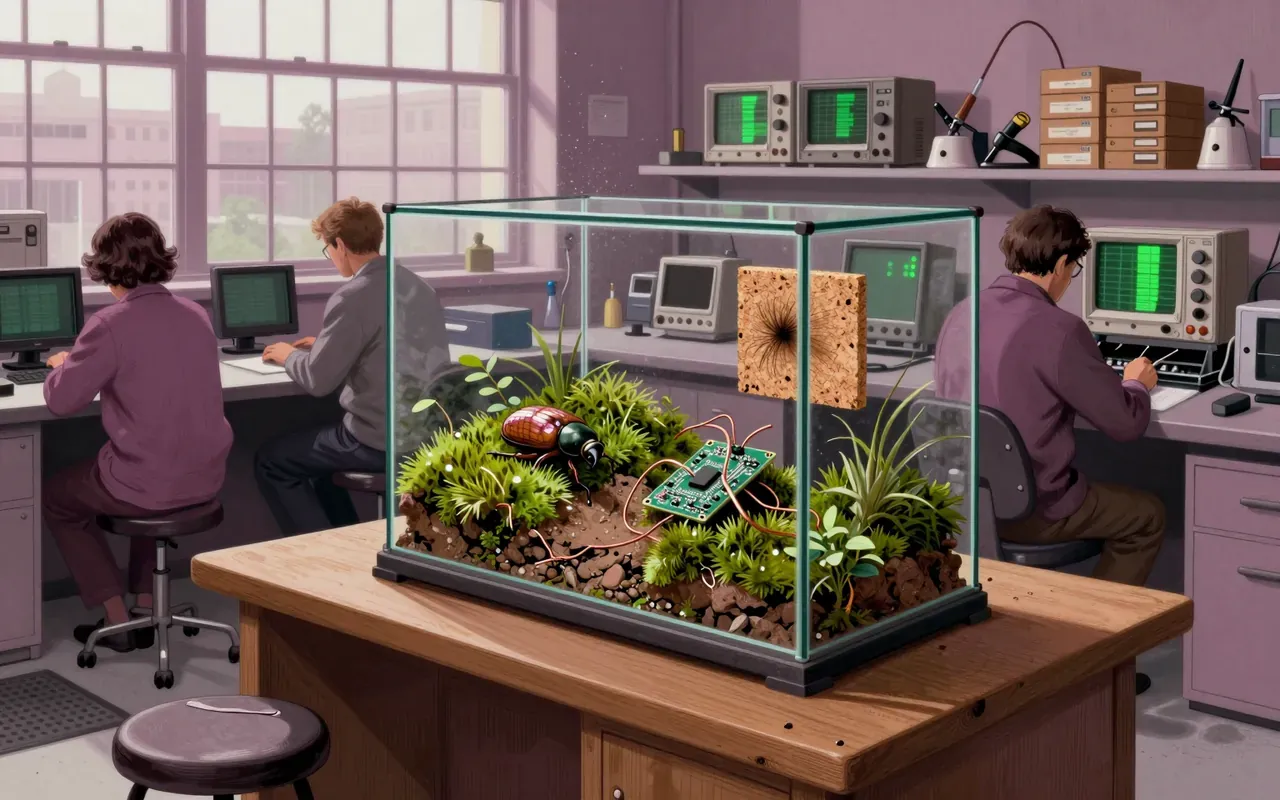
One species among many
It dethrones the human—not to erase us, but to situate us alongside plants, animals, ecosystems, and technology.
3:24
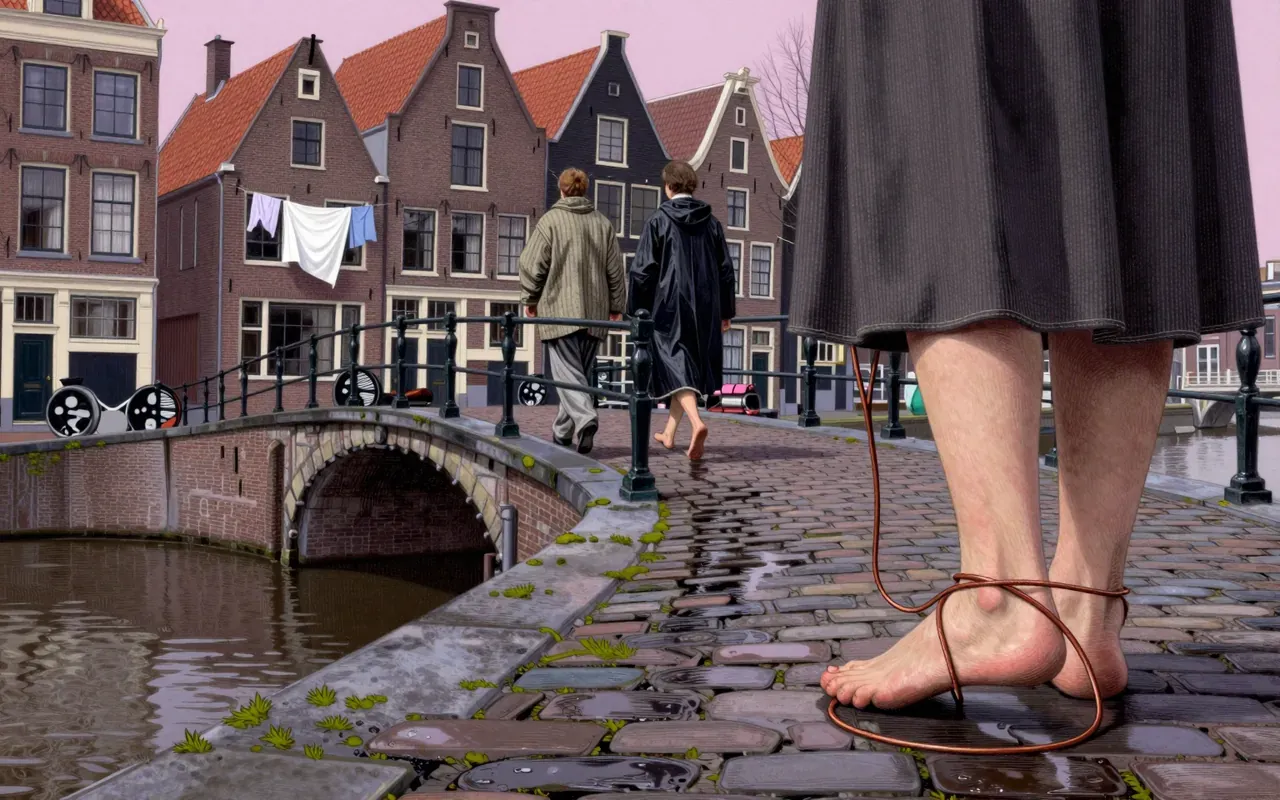
Three targets, not one
It targets three linked structures: anthropocentrism, speciesism, and biopolitics.
4:23
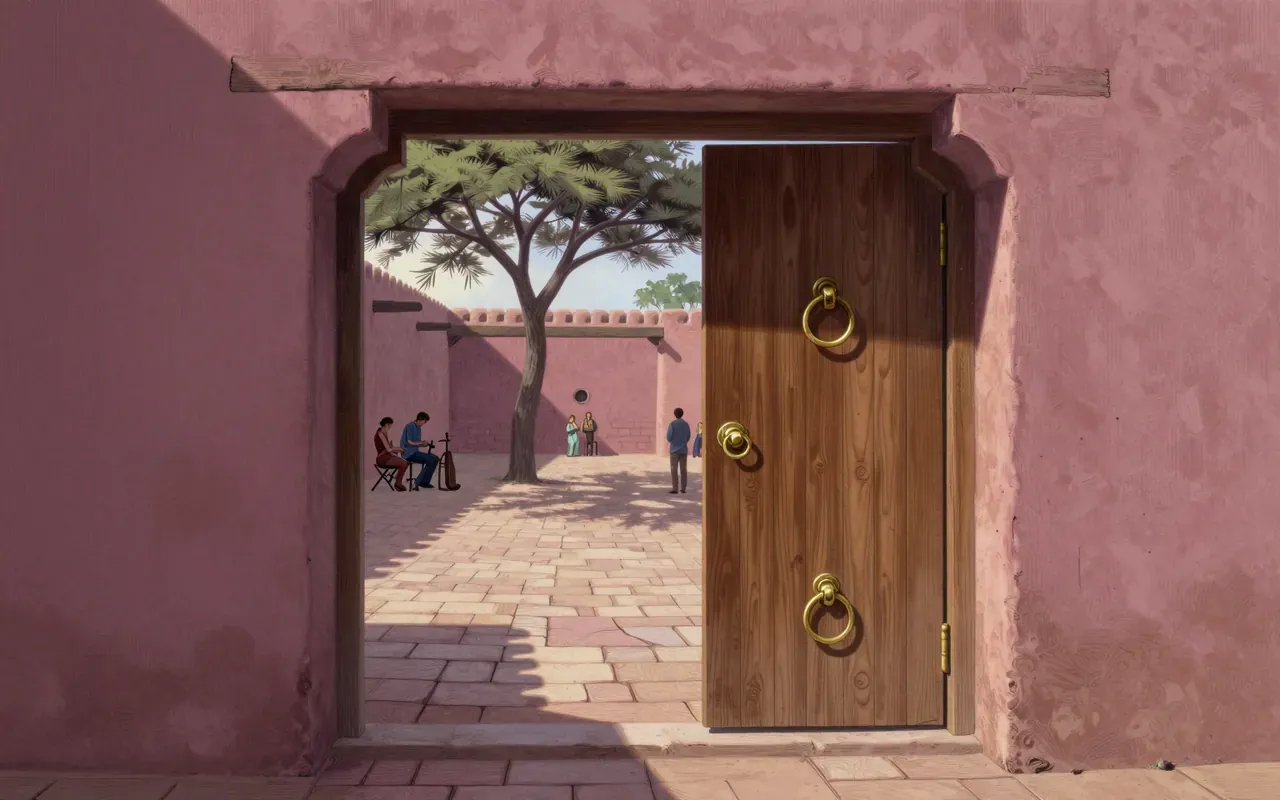
When the nonhuman acts
Objectivism shifts focus from human intention to nonhuman agency—machines, ecosystems, materials acting back.
Worth your time?
Yes. Study the whole thing.
3.5/ 5
What works
exposes the limits of human-centred thinking
names real tensions in contemporary governance and ecology
forces confrontation with nonhuman agency
What does not
offer policy tools
define actionable alternatives to humanist institutions
engage empirical science beyond metaphor
Study it if
critical theorists
AI ethicists
environmental humanities scholars
Skip it if
practitioners seeking frameworks for reform
policy designers
scientists requiring testable models
The written brief1 min read
What the thing is
Posthumanism is a continental philosophy and critical theory idea. It relegates humanity to one of many natural species. It posits human ties to the nonhuman. It directly questions anthropocentrism, speciesism, and biopolitics.
Where it came from
It emerged since the late 1970s. It arose because traditional views separating human from nonhuman are breaking down. It responds to anthropocentrism in 21st-century thought.
What it gets right
It correctly identifies anthropocentrism as a structural problem in 21st-century thought. It names real fractures: between human and nonhuman, subject and agent, life and control.
What it gets wrong
It offers no mechanism for collective action. It displaces political agency without proposing alternatives to biopolitical governance.
Why it matters now
Because AI, climate collapse, and pandemic biopolitics make the human–nonhuman boundary impossible to sustain—and posthumanism names that pressure without resolving it.
Is it worth your time
Yes—if you work with AI, ecology, ethics, or critical theory. No—if you expect clear prescriptions or empirical solutions.