9:28in productionCh. 1 · What it is/ 9:28 · ceiling 15 min
Subcultures · Ideas
Phreaking
Phreaking wasn’t rebellion—it was listening closely enough to hear the system speak back.
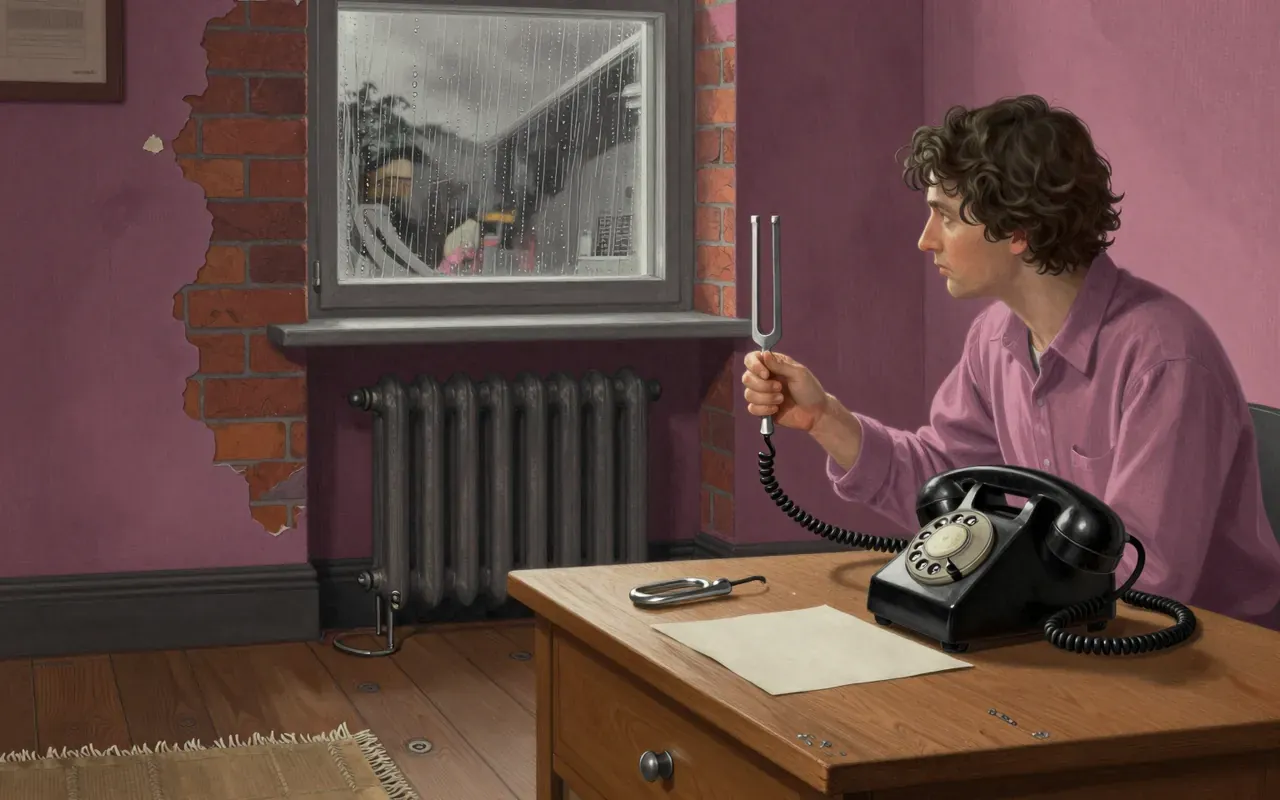
Phreaking is the activity of studying, experimenting with, or exploring telecommunication systems. It began in the 1960s in the United States, tracing back to AT&T's fully automatic switches, and involved reverse engineering tone-based routing systems—especially the 2600 Hz signaling pitch discovered in 1957 by Joe Engressia. Key techniques included re-creating signaling tones and switch-hooking. The multi-frequency signaling frequencies became publicly known in 1954 via the Bell System Technical Journal.
Phreaking is defined by action: studying, experimenting, exploring telecoms—not breaking in, but reading out.
2:31
Where it began
It started with AT&T’s automatic switches—and a boy’s whistle hitting 2600 Hz in 1957.
3:34
How it became public
The Bell System Technical Journal published the multi-frequency signalling frequencies in 1954—making the system legible before it was breached.
4:53
What it did
Re-creating tones let phreaks switch calls and dodge long-distance charges—turning signal into leverage.
6:16
The earliest trick
Switch-hooking may have been the first method—simple, physical, and usable even on locked phones.
Worth your time?
Yes. Study the whole thing.
4/ 5
What works
it grounds subversion in documented, public technical detail
it separates early curiosity from later criminalisation
it names the exact journal, year, and frequency that made exploration possible
What does not
culture/art
culture/arts
culture/cities
culture/fashion
Study it if
people who study how technical literacy spreads
readers curious about pre-internet network culture
those tracking the lineage of digital dissent
Skip it if
anyone seeking origin myths of hacking
those looking for moral parables about technology
readers expecting biographies of named phreaks beyond Engressia
The written brief1 min read
What the thing is
Phreaking is the activity of studying, experimenting with, or exploring telecommunication systems.
Where it came from
It began in the 1960s United States, tracing back to AT&T’s fully automatic switches and the reverse engineering of tone-based long-distance routing—especially the 2600 Hz signalling pitch.
What it gets right
It treats telephony as legible. It shows systems can be read, not just used. It reveals that public knowledge—like the 1954 Bell System Technical Journal publication—enables access.
What it gets wrong
It conflates discovery with intent. Joe Engressia’s whistle was not phreaking; it became phreaking only when others weaponised tone replication to avoid charges.
Why it matters now
It prefigures modern hacking culture—not as crime or genius, but as a mode of inquiry into opaque systems whose logic is hidden in frequency, timing, and access control.
Is it worth your time
Yes—if you care how curiosity about infrastructure becomes subversion, and how play with tone precedes code.