What the thing is
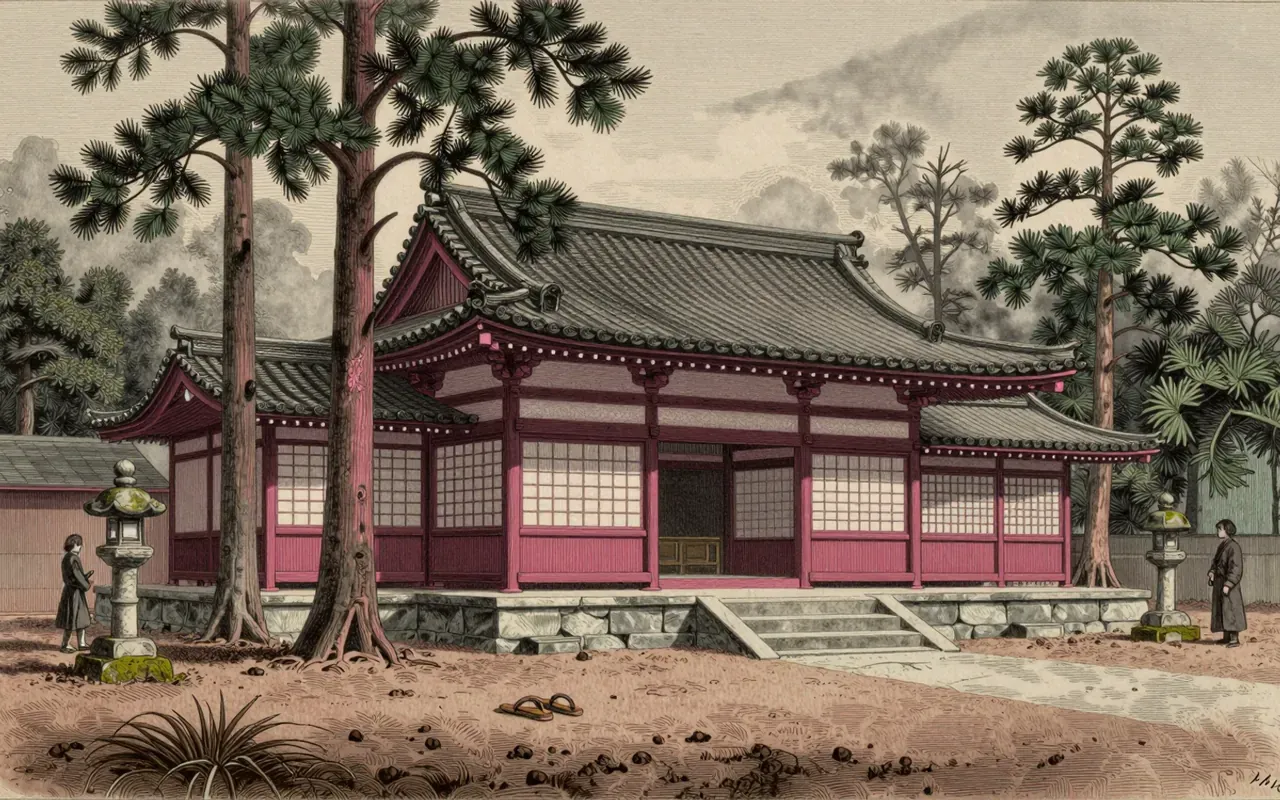
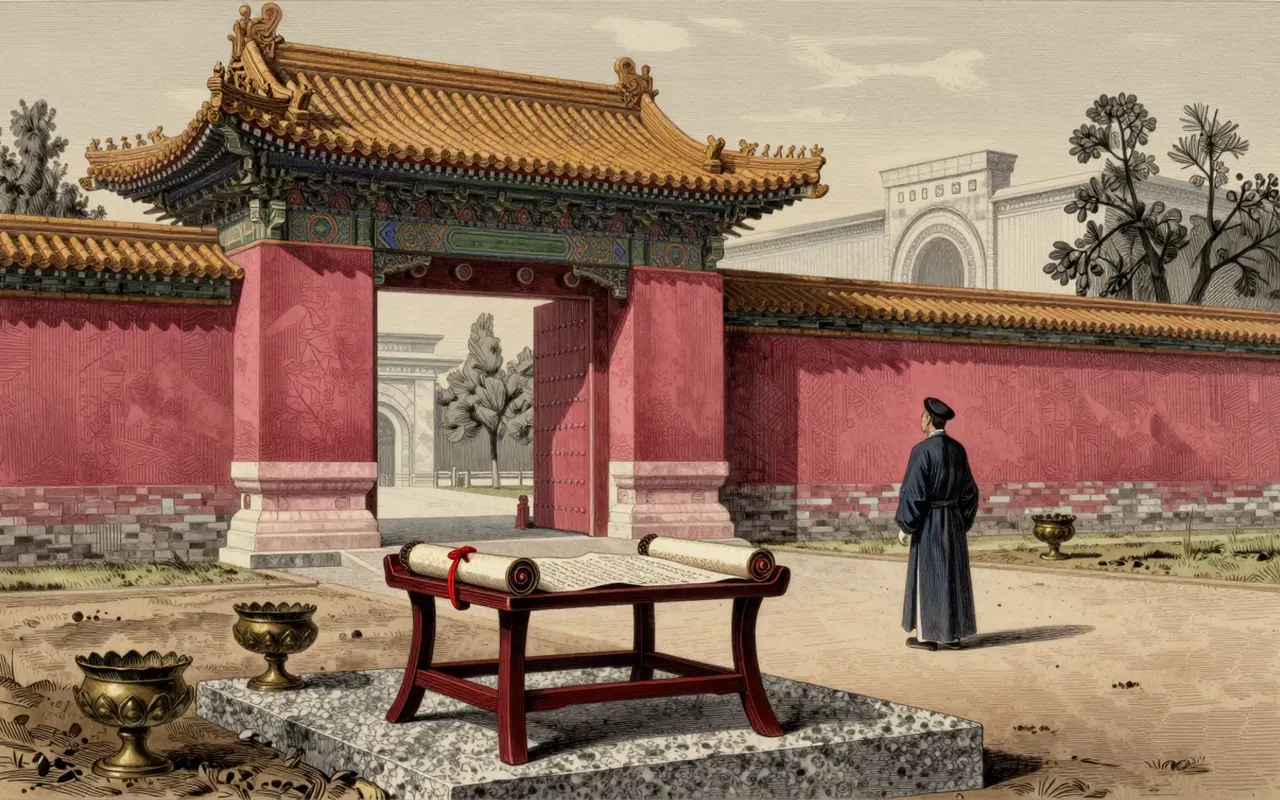
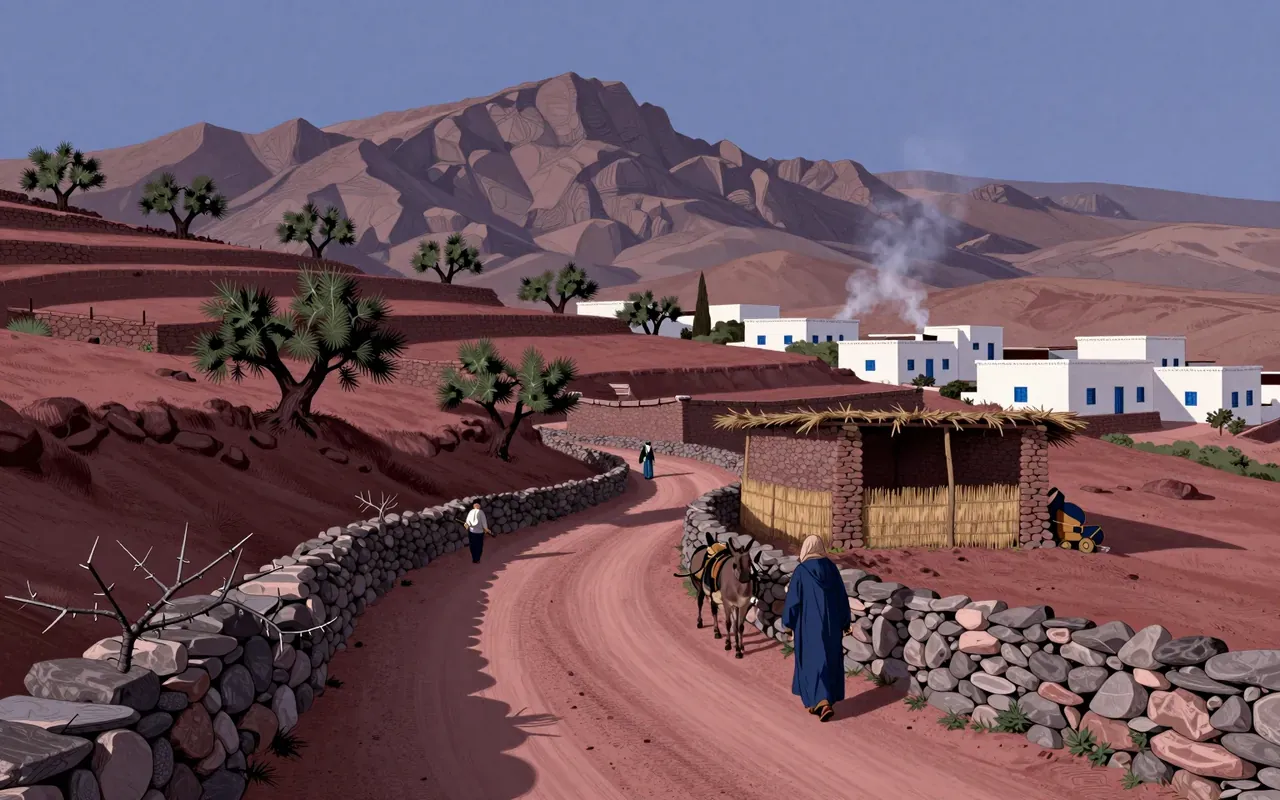
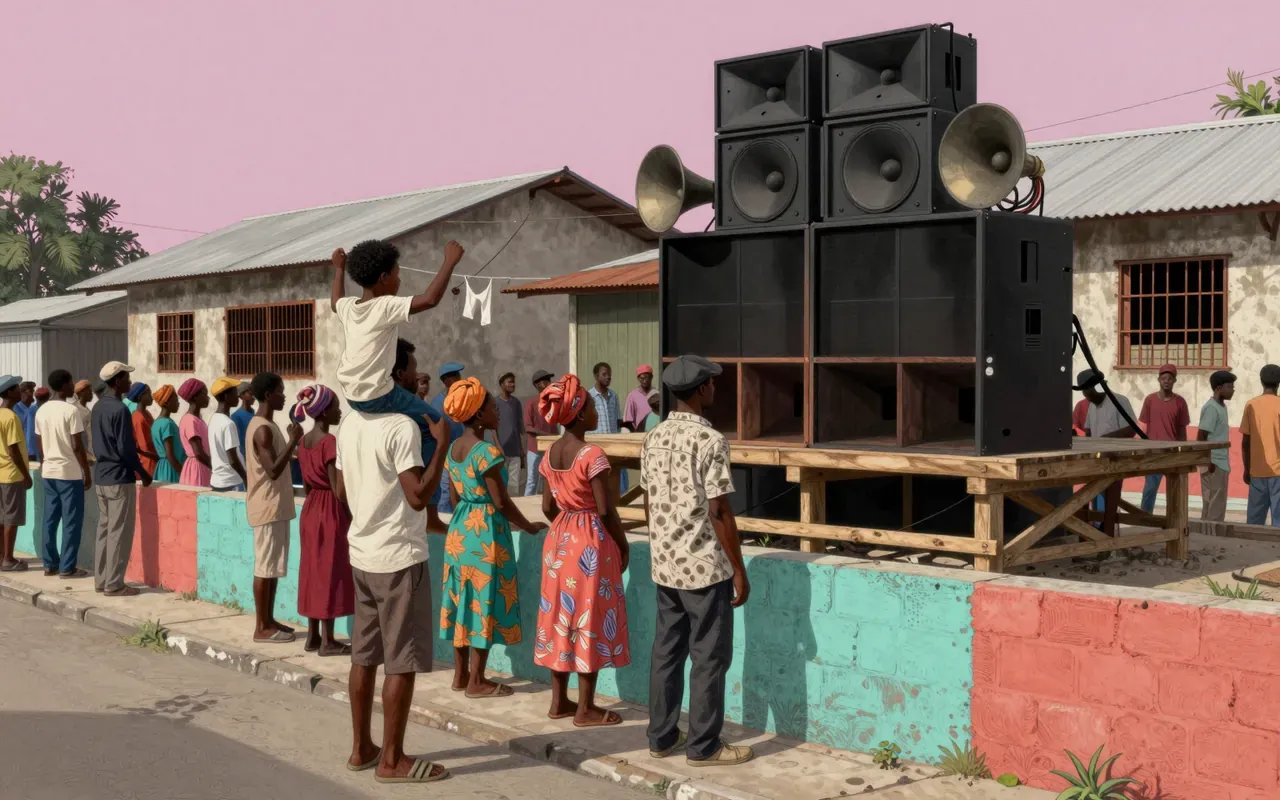
SOAS University of London is a public research university founded in 1916. It is a constituent college of the University of London. It specialises in Africa, Asia and the Middle East.
Where it came from
It began as the School of Oriental Studies at 2 Finsbury Circus, London. It received its royal charter on 5 June 1916. It admitted its first students on 18 January 1917. It was formally inaugurated on 23 February 1917 by George V.
What it gets right
It specialises in Africa, Asia and the Middle East. It operates as a constituent college of the University of London. Its library is one of England’s five national research libraries.
What it gets wrong
Its founding mission was tied to British imperial administration. That origin remains embedded in its institutional DNA, not resolved by rebranding.
Why it matters now
It holds one of England’s five national research libraries. It hosts exhibitions from Asia, Africa and the Middle East to present and promote those cultures. Its regional expertise remains distinctive—and contested—in a moment of global reckoning with colonial knowledge infrastructures.
Is it worth your time
Yes—if you need deep, regionally grounded expertise on Africa, Asia or the Middle East, and value a library that is one of England’s five national research libraries.