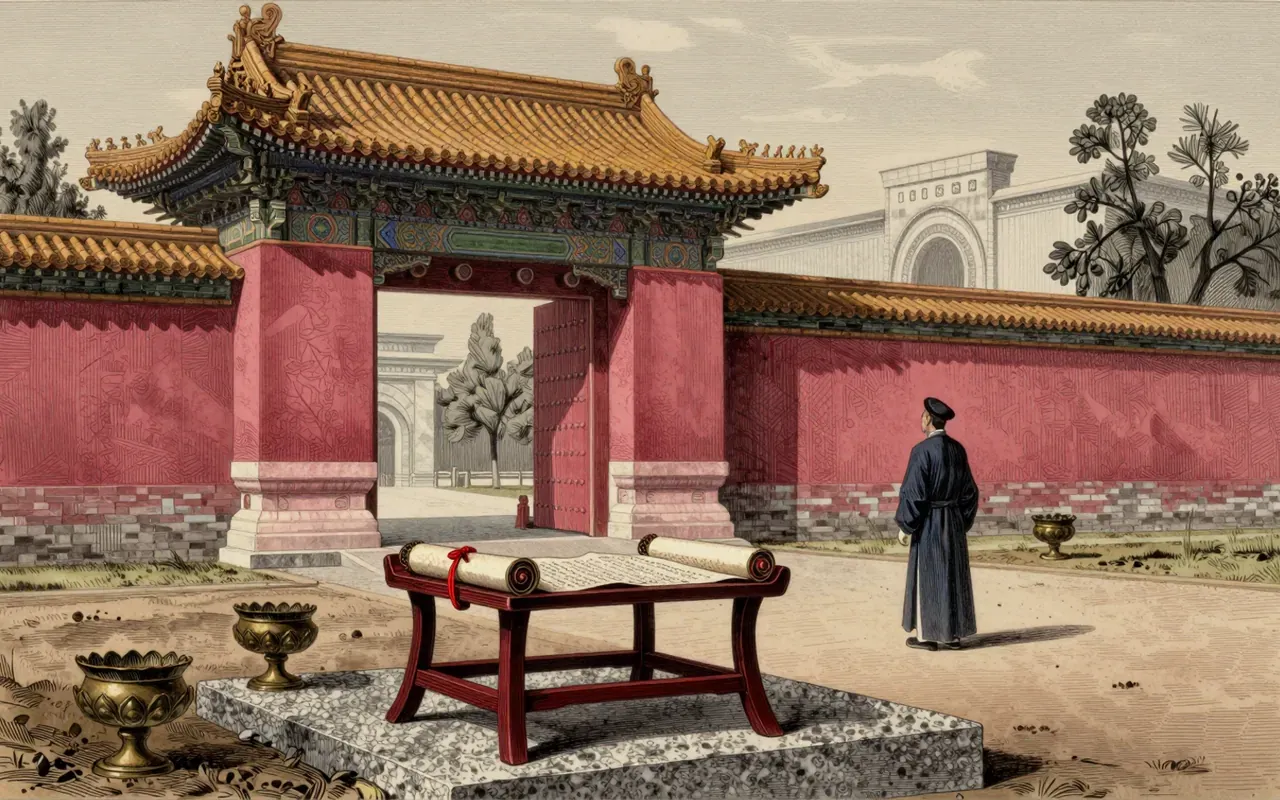
Peking University began as the Imperial University of Peking in 1898 — a state project born of the Hundred Days’ Reform, authorised by the Guangxu Emperor, chartered by Liang Qichao, and led by William Alexander Parsons Martin. It opened on 31 December 1898 with 160 students, far short of its 500-student target. It was renamed in 1912, merged with Yenching University in 1952, and absorbed Beijing Medical University in 2000.
It was founded by imperial decree during a failed reform movement — not as a response to demand, but as a symbolic act of state modernisation.
2:49
An American president
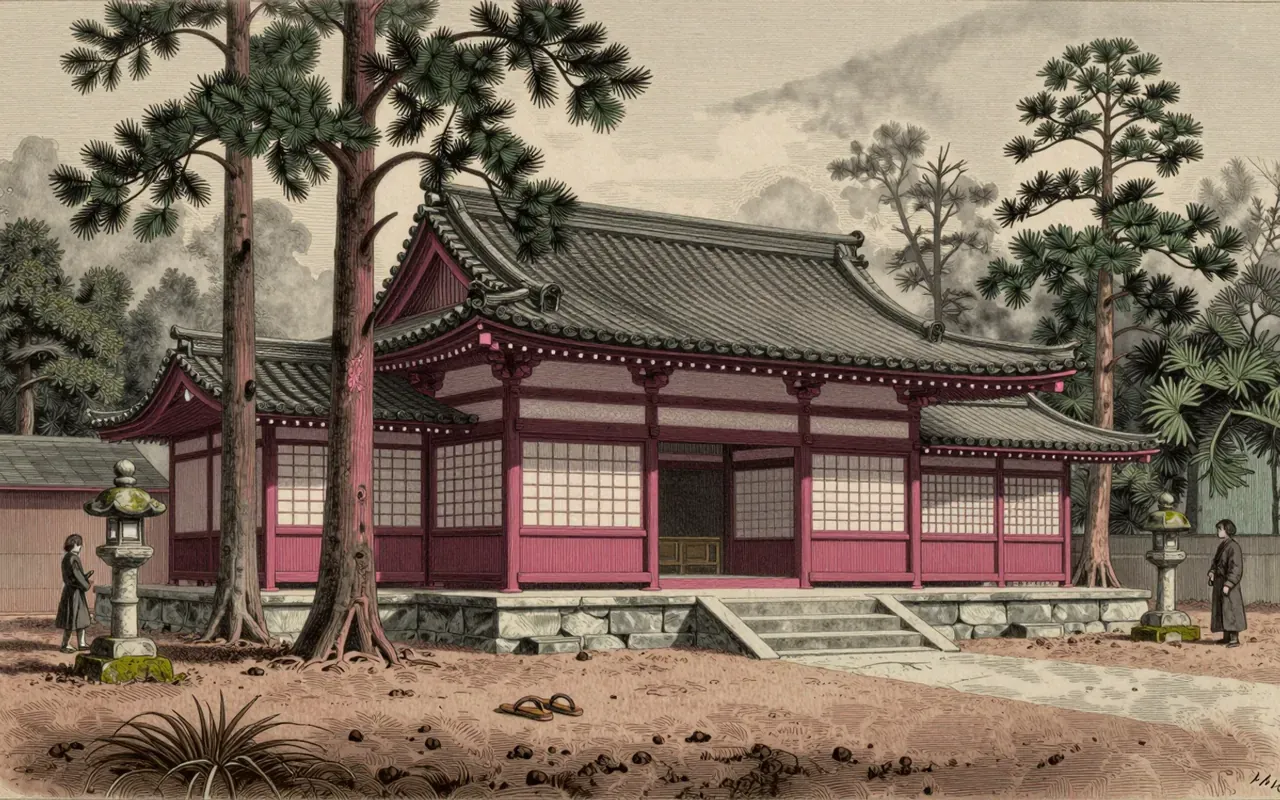
Its first president was a foreign missionary — signalling dependence on Western models even at inception.
4:13
160 students, not 500
It opened with fewer than one-third of its intended students — revealing a gap between imperial ambition and administrative reality.
5:41
Renamed, merged, absorbed
Its name and structure were repeatedly overwritten — first by the Republic, then by the PRC, then by medical consolidation.
1 more chapterFewer chapters
Worth your time?
Yes. Study the whole thing.
3.5/ 5
What works
as a foundational administrative act
as evidence of late-Qing statecraft
What does not
influence
define
launch
inspire
Study it if
state planners
historians of institutions
students of modern Chinese governance
Skip it if
general readers seeking cultural landmarks
those looking for intellectual or artistic legacy
Who should study it, and who should skipHide who it is for
The written brief1 min read
What the thing is
The Imperial University of Peking was China’s first national university. It became Peking University in 1912.
Where it came from
It emerged from the Hundred Days’ Reform. The Guangxu Emperor authorised it on 11 June 1898. Liang Qichao drafted its charter. The emperor approved it on 3 July 1898.
What it gets right
It established China’s first national university under direct imperial authority. It created a formal structure for advanced learning outside the civil service examination system.
What it gets wrong
It opened with 160 students — less than a third of its planned intake. Its founding charter was approved, but its operational capacity collapsed before it could scale.
Why it matters now
It is the institutional root of China’s elite university system — not because of its early teaching, but because later regimes repeatedly chose to claim and restructure it as their flagship.
Is it worth your time
Yes, if you need to understand how modern Chinese higher education was institutionally anchored — not as an idea, but as a state act with imperial sanction.