8:18in productionCh. 1 · What it is/ 8:18 · ceiling 15 min
Subcultures · Society
Surf culture
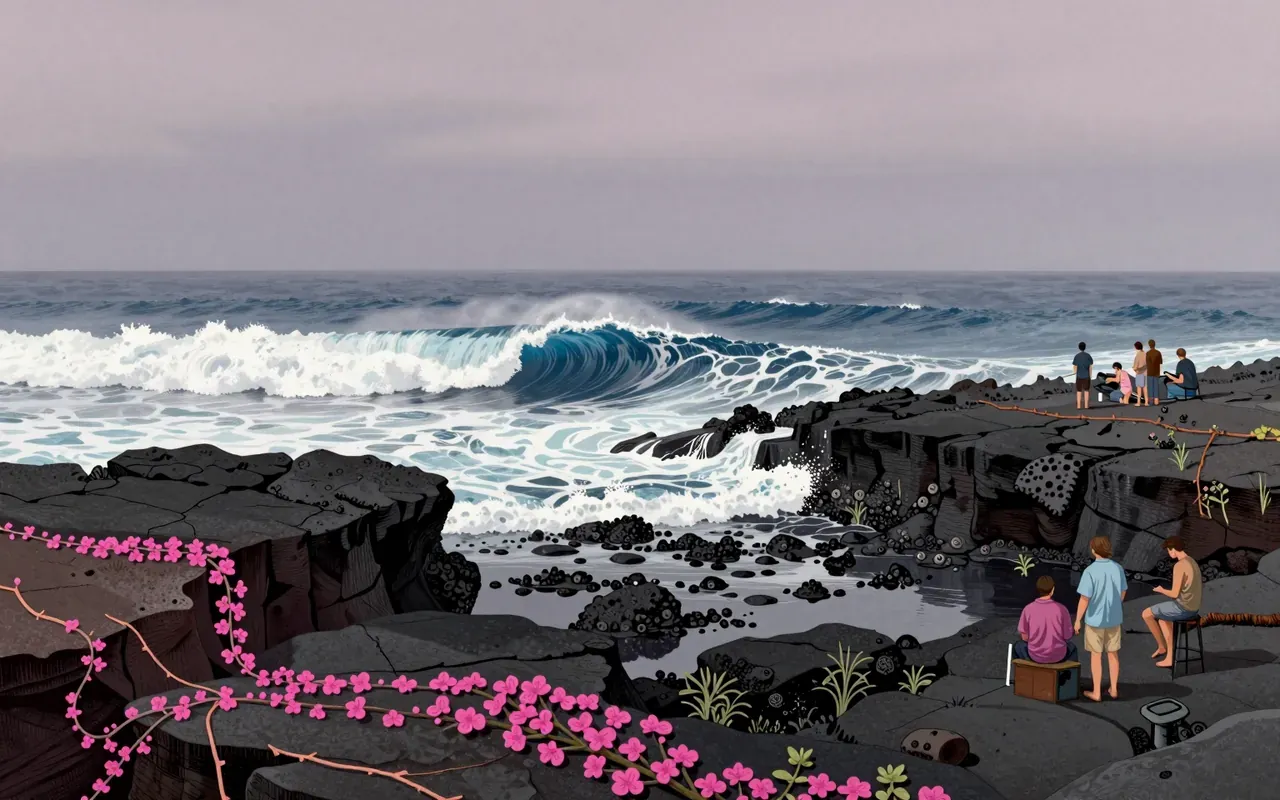
Surf culture isn’t about sunsets or stunts—it’s a weather-dependent claim on place, forged by Polynesians and weaponised by Californians.
Surf culture is a multidimensional phenomenon rooted in ancient Polynesian practice, revived and transformed in the early 20th century—especially in Hawaii, Australia, and California—and peaked in the 1950s–1960s. It defines surf culture as encompassing people, language, fashion, and lifestyle; emphasizes its dependence on dynamic oceanic conditions; notes its reciprocal relationship with beach life; identifies Surfer magazine (1960s) as its first organized voice—including environmental activism; and documents localism as a core developmental feature wherein surfers claim specific breaks.
Surf culture is not just sport—it’s people, language, fashion, and lifestyle fused around a single physical act.
2:02
Where it came from
Its origin is Polynesian—not Californian—and its modern form emerged across three Pacific coastlines, not one.
3:11
What it gets right
It institutionalised localism and weather dependency—two features most subcultures avoid naming.
4:00
What it gets wrong
Its 1960s Southern California image flattened its trans-Pacific lineage and erased its Australian and Hawaiian contemporaries.
5:16
Why it matters now
Surfer magazine made environmental activism part of surf culture’s first organised voice—not an afterthought.
Worth your time?
Yes. Study the whole thing.
4/ 5
What works
Surfer magazine (1960s)
What does not
iconic
timeless
groundbreaking
masterpiece
Study it if
coastal residents
environmental organisers
students of cultural geography
Skip it if
those seeking nostalgia
fans of surf music alone
viewers who conflate popularity with depth
The written brief1 min read
What the thing is
Surf culture is a multidimensional phenomenon encompassing people, language, fashion, and lifestyle tied to the sport of surfing.
Where it came from
It originated with the ancient Polynesians and was revived and transformed in the early 20th century—especially in Hawaii, Australia, and California—peaking in the 1950s–1960s.
What it gets right
It treats surfing as inseparable from place, weather, and reciprocity with beach life. It names localism as structural—not anecdotal—and credits Surfer magazine for embedding environmental activism early.
What it gets wrong
It implies surf culture is defined by its 1960s Southern California iteration—woodies, bikinis, boardshorts, surf music—while the source confirms its roots are Polynesian and its modern flourishing spans Hawaii, Australia, and California equally.
Why it matters now
Because its dependence on rapidly changing ocean conditions makes it an embodied index of climate instability—and its history of localism and environmental advocacy offers a template for place-based resistance that predates mainstream climate discourse.
Is it worth your time
Yes—if you want to understand how a sport shaped coastal identity, environmental consciousness, and territorial belonging through weather-dependent practice.