What the thing is
Media bias is pervasive deviation from journalistic standards in reporting news, current events, dialogue, or opinions.
Where it came from
It emerged from practical limits on neutrality—selection pressure, narrative coherence demands—and structural forces: government censorship, market-driven ownership, algorithmic filtering, and audience psychology.
What it gets right
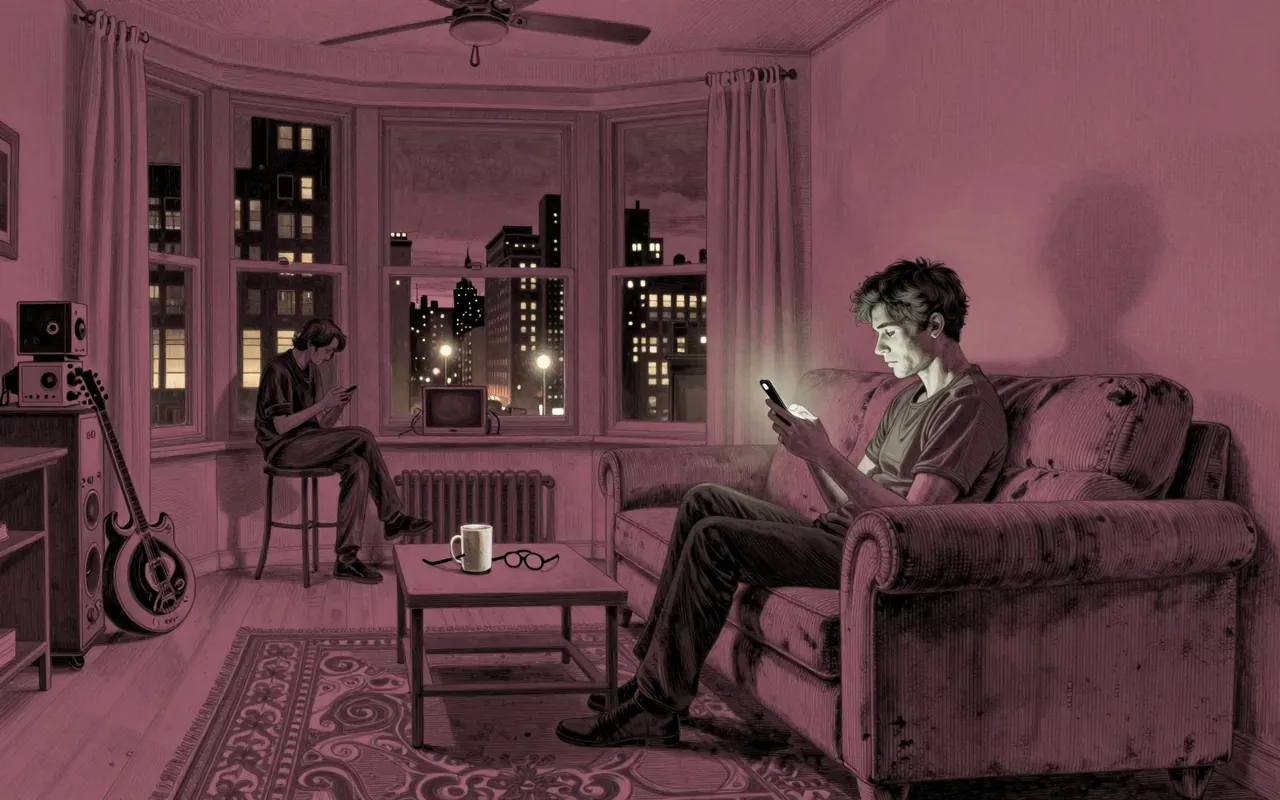
It correctly identifies bias as systemic, not moral. It names gatekeeping, algorithmic curation, ownership concentration, syndicated unverified content, and cognitive effects like the hostile media effect as drivers—not just ideology.
What it gets wrong
It treats ‘journalistic standards’ as a stable benchmark, though the document never defines them, dates them, or shows consensus around them.
Why it matters now
Because algorithmic curation and syndicated unverified content now scale bias faster than any editorial process can correct—and because perceived bias shapes trust more than measured slant.
Is it worth your time
Yes—if you want to understand why ‘bias’ is not a flaw in journalism but a structural feature of all news systems.