culturebriefs
10:42in productionCh. 1 · What it actually is/ 10:42 · ceiling 15 min
Society

Digital nomad

It’s not freedom—it’s freelance labour with a passport stamp.

A digital nomad is a person who travels freely while working remotely using internet-based technologies. The term originated in the early 1990s, citing precursors like Steven K. Roberts (1983–1991), the 1993 Digital Nomad's Guide series, Craig McCaw’s 1993 prediction, and Makimoto & Manners’ 1997 book. It correctly names a growing demographic—18.1 million US-based remote workers who move while employed—but wrongly implies autonomy without legal, fiscal or emotional scaffolding. Over 40 countries now offer digital nomad visas, making it a policy reality, not just a lifestyle trend.

Chapters & takeaways4
  1. 1:00
    What it actually is

    The term describes a specific, tech-enabled mobility—not metaphorical wandering.

  2. 2:28
    Where it really started

    It began before broadband, before smartphones—with bicycles, radios, and guidebooks.

  3. 4:10
    How big it really is

    Eighteen million people in the US alone are doing it—this is data, not fantasy.

  4. 6:12
    What it hides

    It assumes internet access, legal clarity, and portable income—none of which are guaranteed.

Worth your time?

Yes. Study the whole thing.

3.5/ 5
What works
  • as-a-policy-lens
  • as-a-demographic-marker
  • as-a-tax-and-visa-problem
What does not
  • digital-nomad-visa
Study it if
  • remote-workers
  • freelancers
  • tax-residents-in-transition
Skip it if
  • people-who-need-stable-healthcare-access
  • those-with-dependent-family-obligations
  • anyone-expecting-clear-legal-status
The written brief1 min read

What the thing is

A digital nomad is a person who travels freely while working remotely using internet-based technologies.

Where it came from

The term emerged in the early 1990s, rooted in mobile computing advances and popularised by figures like Steven K. Roberts (1983–1991), the 1993 Digital Nomad’s Guide series, Craig McCaw’s 1993 prediction, and Makimoto & Manners’ 1997 book.

What it gets right

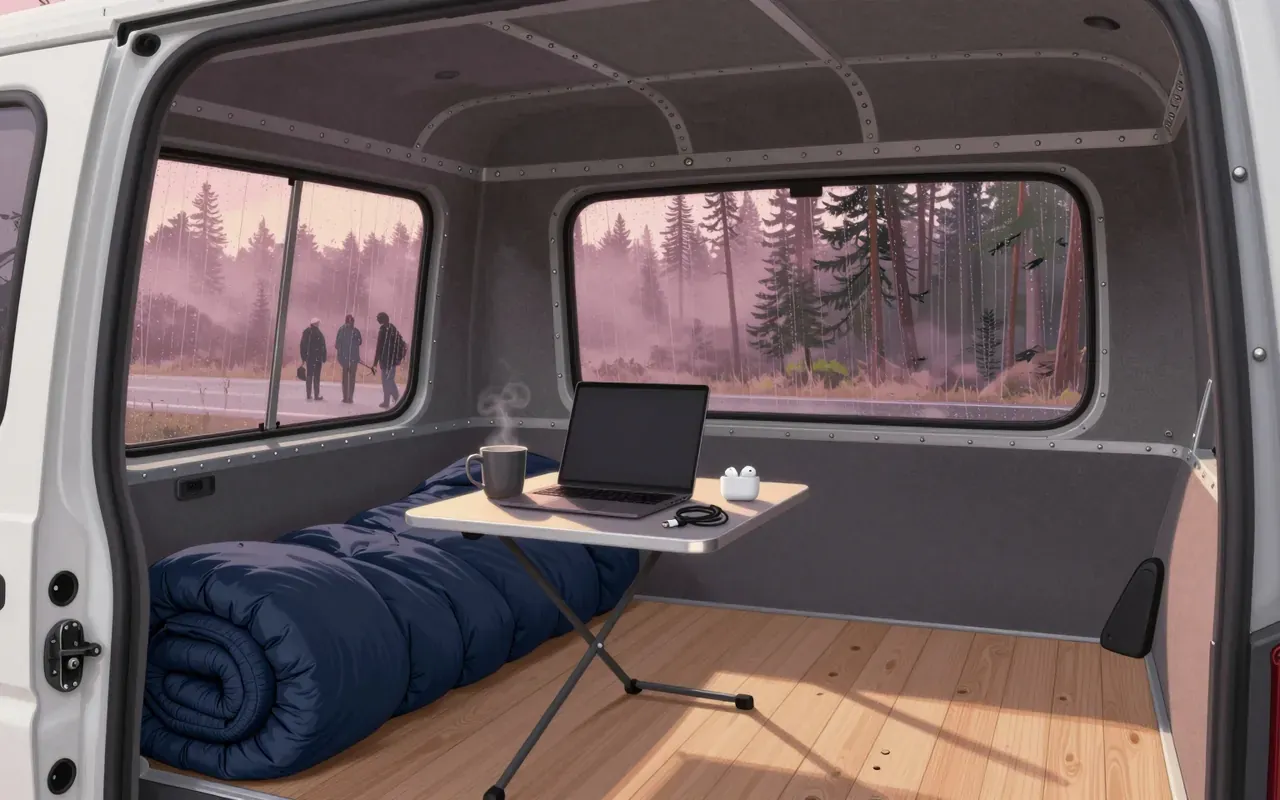
It names a real demographic shift: 18.1 million US-based remote workers who move while employed. It identifies concrete drivers—lower cost of living, location independence, internet infrastructure—and material practices like van-dwelling and temporary housing.

What it gets wrong

It conflates aspiration with legality. Visa pathways remain fragmented; tax obligations are unresolved; loneliness and burnout are systemic, not incidental. The term implies freedom but obscures jurisdictional precarity.

Why it matters now

Because 18.1 million Americans now live this way—and over 40 countries have responded with digital nomad visas—making it a policy reality, not just a lifestyle trend.

Is it worth your time

Yes—if you’re weighing remote work, relocation, or tax residency. No—if you assume it’s a stable lifestyle or a universal solution.

Same beat · Society4 of 286
8:48
Image macroImage macros are a digital interface—not an art form. They standardised how millions expressed irony, frustration and affiliation before platforms automated tone and stripped away authorship. Their rigidity enabled scale. Their simplicity enabled theft. Their legacy isn’t humour—it’s the template as infrastructure.
9:10
Self-managed social centerSelf-managed social centers are anti-authoritarian, volunteer-run spaces that operate as infoshops, free schools, bicycle workshops and concert venues. They began in Italy in the 1980s and spread to the US and UK in the 1990s. They oppose gentrification and megaprojects. They create and practice the commons. They are transient, precarious, and politically active—but do not survive long enough to institutionalise what they prefigure.
10:00
Home recordingHome recording is sound captured in private homes—not studios. It began with isolated pioneers in the US, UK, Australia, and Jamaica in the 1950s–1970s. The 1979 Portastudio enabled consumer multitrack recording. Digital recorders and DAWs replaced analog in the 1990s. Lockdowns in 2020 caused a global surge in home-based artists and microgenres. Untreated rooms produce misleading acoustics that compromise mixing. Professional studios have been heavily impacted over the last two decades.
10:02
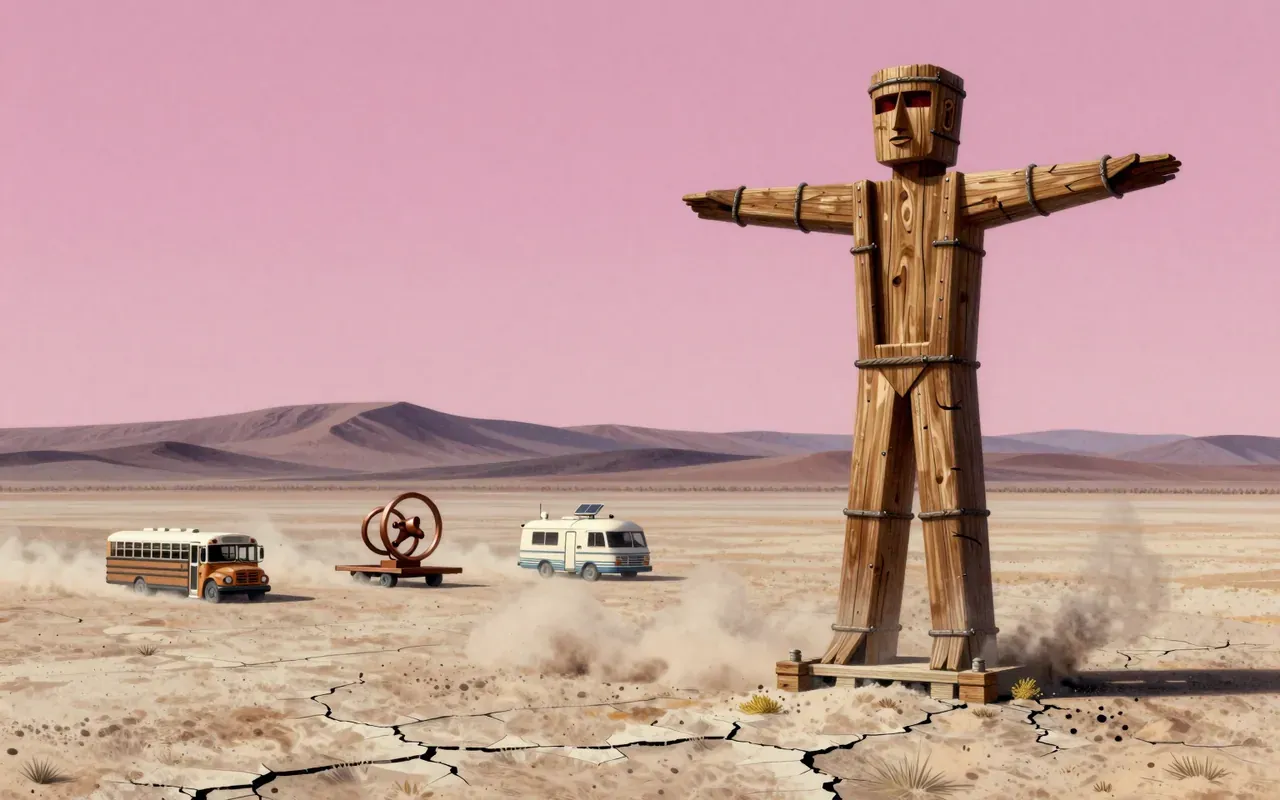
Burning Man1986Burning Man is a participant-built desert gathering named for the ceremonial burning of a wooden effigy—the Man—on the Saturday before Labor Day. It began on Baker Beach in 1986, moved to the Black Rock Desert in 1990, and operates on radical self-reliance, communal effort, and theme-driven art made solely by attendees. Its ten principles were codified in 2004—not at origin—and its model has since been replicated, commercialised, and contested. It is neither pure counterculture nor corporate spectacle, but a documented instance of how ritual, place, and principle diverge over time.
Up next in Culture

Consumer identity

· 9:50

Consumer identity is not who you are—it’s how brands make you legible to themselves.

9:50