culturebriefs
8:23in productionCh. 1 · Merit Through Toil/ 8:23 · ceiling 15 min
Society · Ideas

Workism

Workism doesn’t glorify labour — it colonises your reason for being.

Workism is not a movement or a policy. It is a diagnostic label — coined in 2019 — for the belief that work confers moral worth and personal meaning. It applies across employment status. It operates through internalised discipline, not external demand. It matters now because its logic has spread beyond high-pressure professions into everyday expectations of availability, ambition and self-worth.

Chapters & takeaways5
  1. 0:57
    Merit Through Toil

    Workism measures human value by effort, not output — turning work into a moral test.

  2. 1:56
    A Word, Not a Law

    The term was invented in 2019 — not discovered in ancient texts or economic data.

  3. 2:58
    Cult Logic, Universal Burden

    It operates like a cult: dictating relationships, thought, self-presentation — and oppressing everyone, employed or not.

  4. 3:47
    Trickle-Down Devotion

    It spreads from elites downward, justified by old ethics or new rationalisations — not shared necessity.

  5. 4:54
    Not Output. Not Production. Work.

    It is not productivism: it cares less about what is made than who earned it — and how hard.

Worth your time?

Yes. Study the whole thing.

4/ 5
What works
  • as a precise naming tool
  • as a lens for diagnosing contemporary self-conception
What does not
  • culture/art
  • culture/arts
  • culture/cities
  • culture/photography
Study it if
  • people who analyse cultural framing devices
  • readers tired of productivity advice masquerading as insight
Skip it if
  • those seeking historical roots or empirical data on work trends
  • readers looking for solutions or alternatives
The written brief1 min read

What the thing is

Workism is excessive devotion to work ethic so total that work defines a person’s life purpose.

Where it came from

Derek Thompson coined the term in a 2019 article for The Atlantic.

What it gets right

It names a real psychological and social mechanism: work as identity, not just income. It correctly identifies how this logic burdens both employed and unemployed people equally.

What it gets wrong

It conflates origin with explanation. Citing Protestant work ethic or hustle-culture rationalisation does not prove causation — only that those frameworks are invoked to justify workism, not that they produce it.

Why it matters now

Because workism has trickled down from elite groups into broader culture, reshaping expectations of time, worth, and rest — even as employment structures fracture and productivity gains stall.

Is it worth your time

Yes, if you are trying to name the pressure that makes unpaid overtime feel virtuous and unemployment feel like moral failure.

Same beat · Society4 of 286
8:48
Image macroImage macros are a digital interface—not an art form. They standardised how millions expressed irony, frustration and affiliation before platforms automated tone and stripped away authorship. Their rigidity enabled scale. Their simplicity enabled theft. Their legacy isn’t humour—it’s the template as infrastructure.
9:10
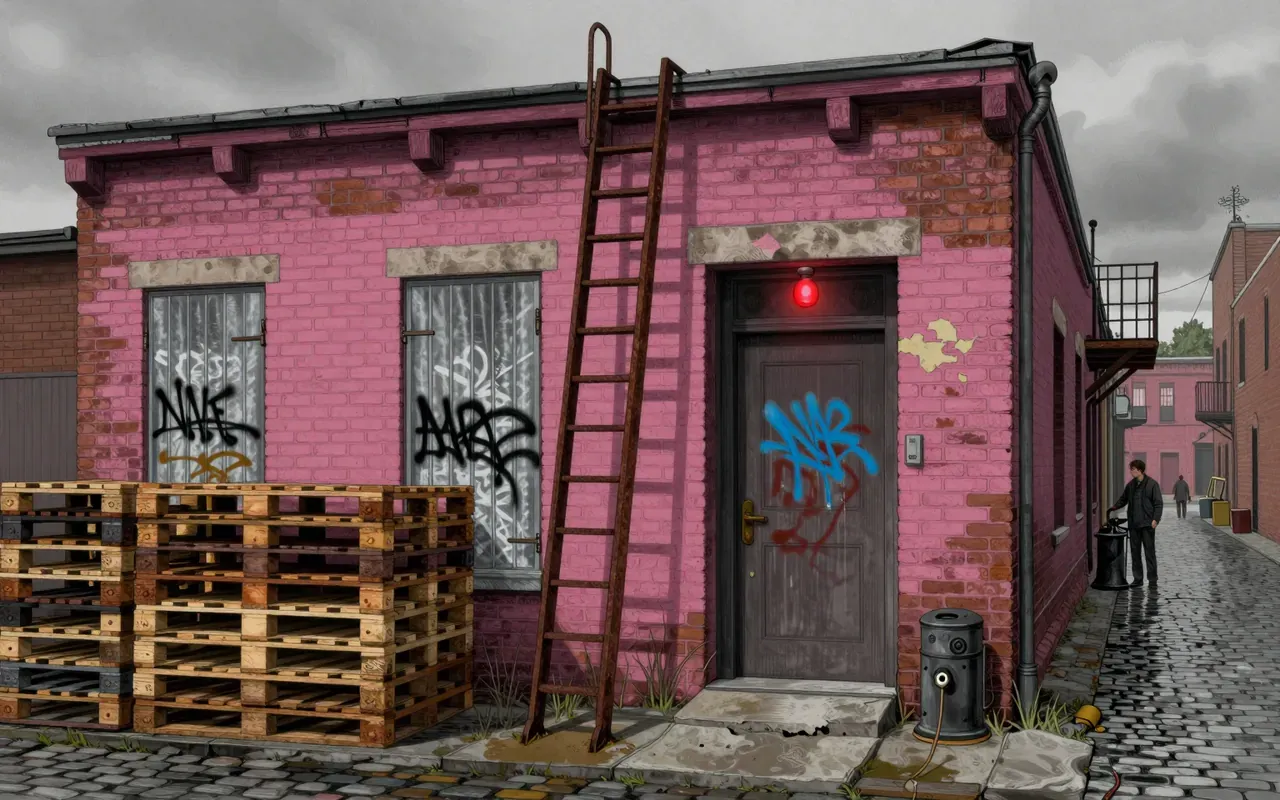
Self-managed social centerSelf-managed social centers are anti-authoritarian, volunteer-run spaces that operate as infoshops, free schools, bicycle workshops and concert venues. They began in Italy in the 1980s and spread to the US and UK in the 1990s. They oppose gentrification and megaprojects. They create and practice the commons. They are transient, precarious, and politically active—but do not survive long enough to institutionalise what they prefigure.
10:00
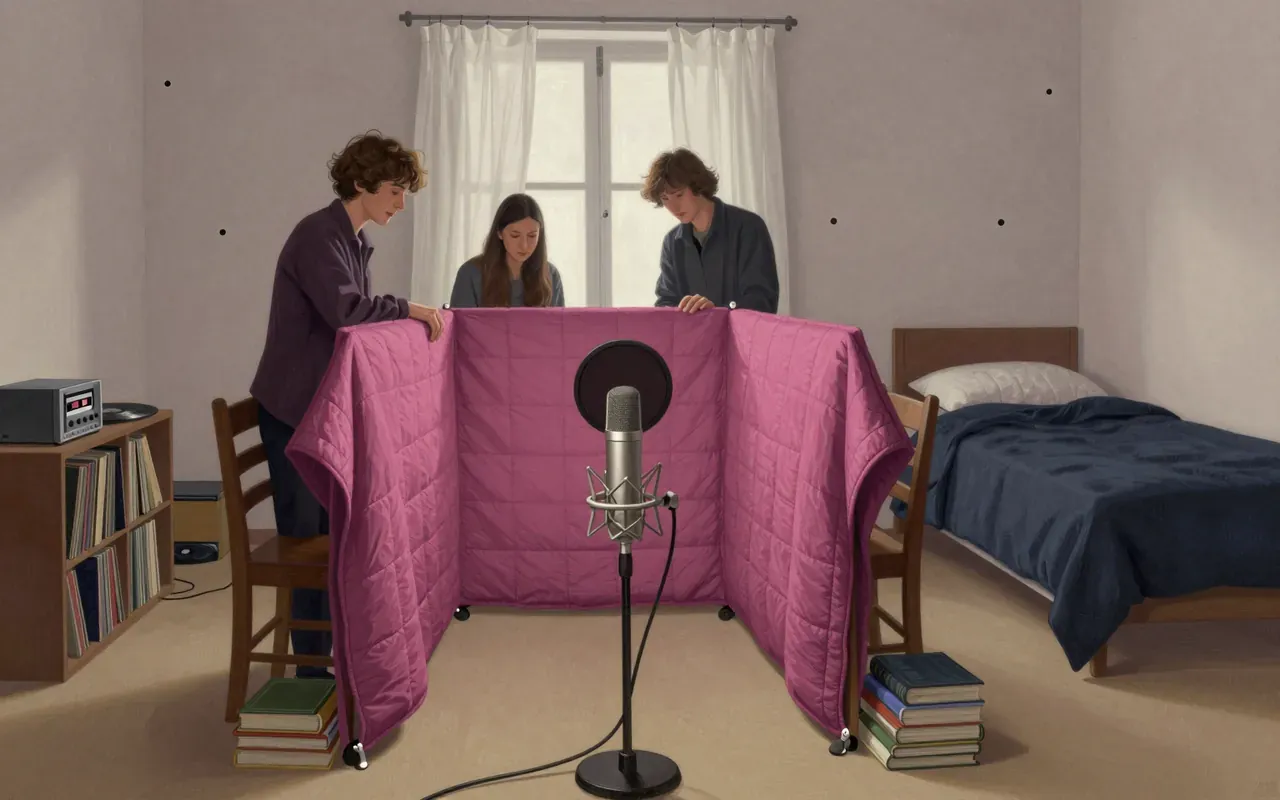
Home recordingHome recording is sound captured in private homes—not studios. It began with isolated pioneers in the US, UK, Australia, and Jamaica in the 1950s–1970s. The 1979 Portastudio enabled consumer multitrack recording. Digital recorders and DAWs replaced analog in the 1990s. Lockdowns in 2020 caused a global surge in home-based artists and microgenres. Untreated rooms produce misleading acoustics that compromise mixing. Professional studios have been heavily impacted over the last two decades.
10:02
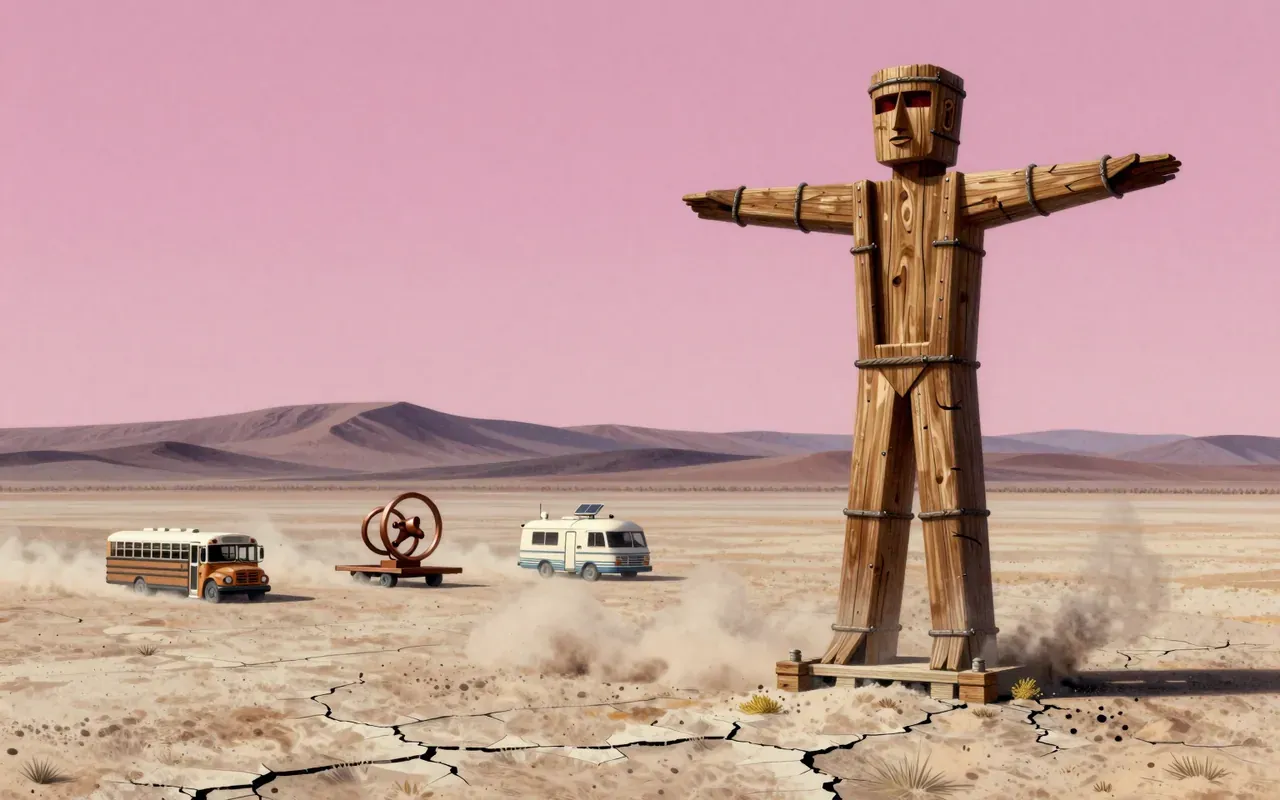
Burning Man1986Burning Man is a participant-built desert gathering named for the ceremonial burning of a wooden effigy—the Man—on the Saturday before Labor Day. It began on Baker Beach in 1986, moved to the Black Rock Desert in 1990, and operates on radical self-reliance, communal effort, and theme-driven art made solely by attendees. Its ten principles were codified in 2004—not at origin—and its model has since been replicated, commercialised, and contested. It is neither pure counterculture nor corporate spectacle, but a documented instance of how ritual, place, and principle diverge over time.
Up next in Culture

Young British Artists

1988 · 8:59

Freeze wasn’t a manifesto—it was a workaround: sixteen Goldsmiths students built an art scene because galleries refused to build one for them.

8:59