What the thing is
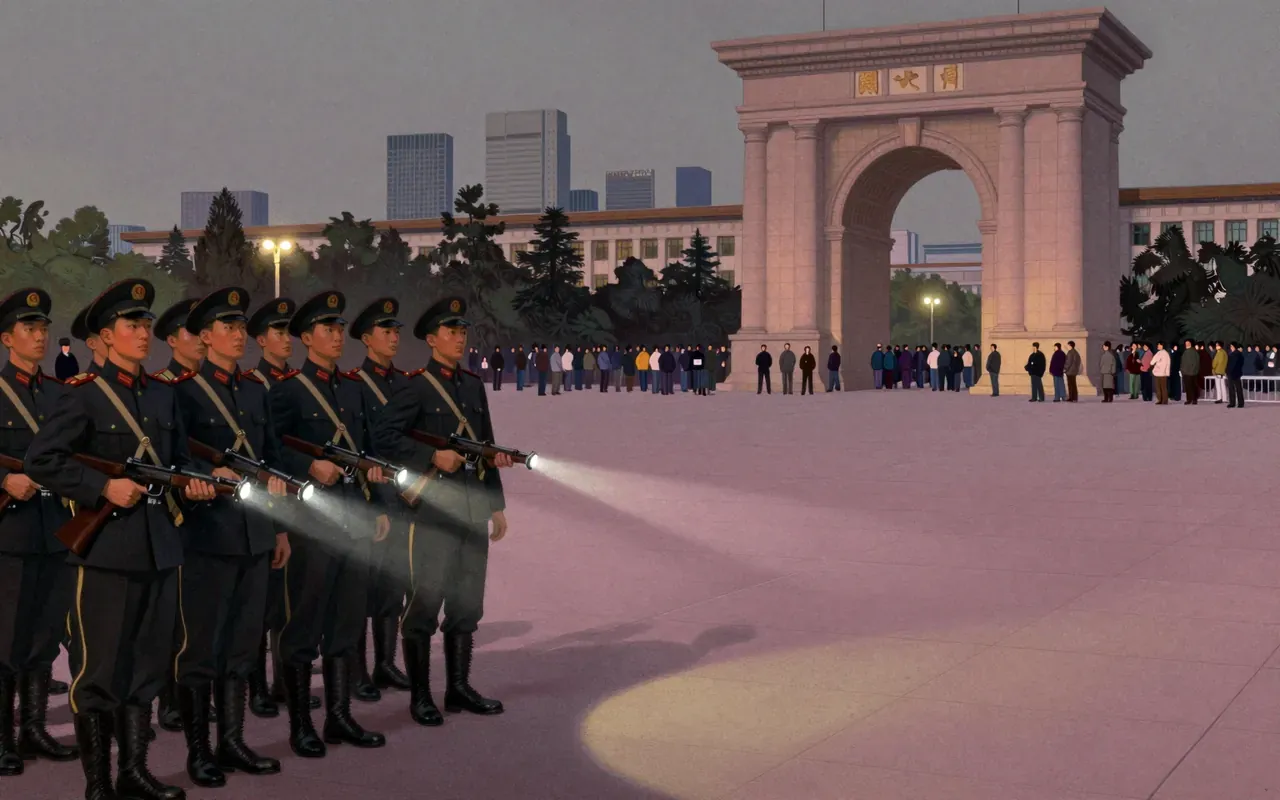
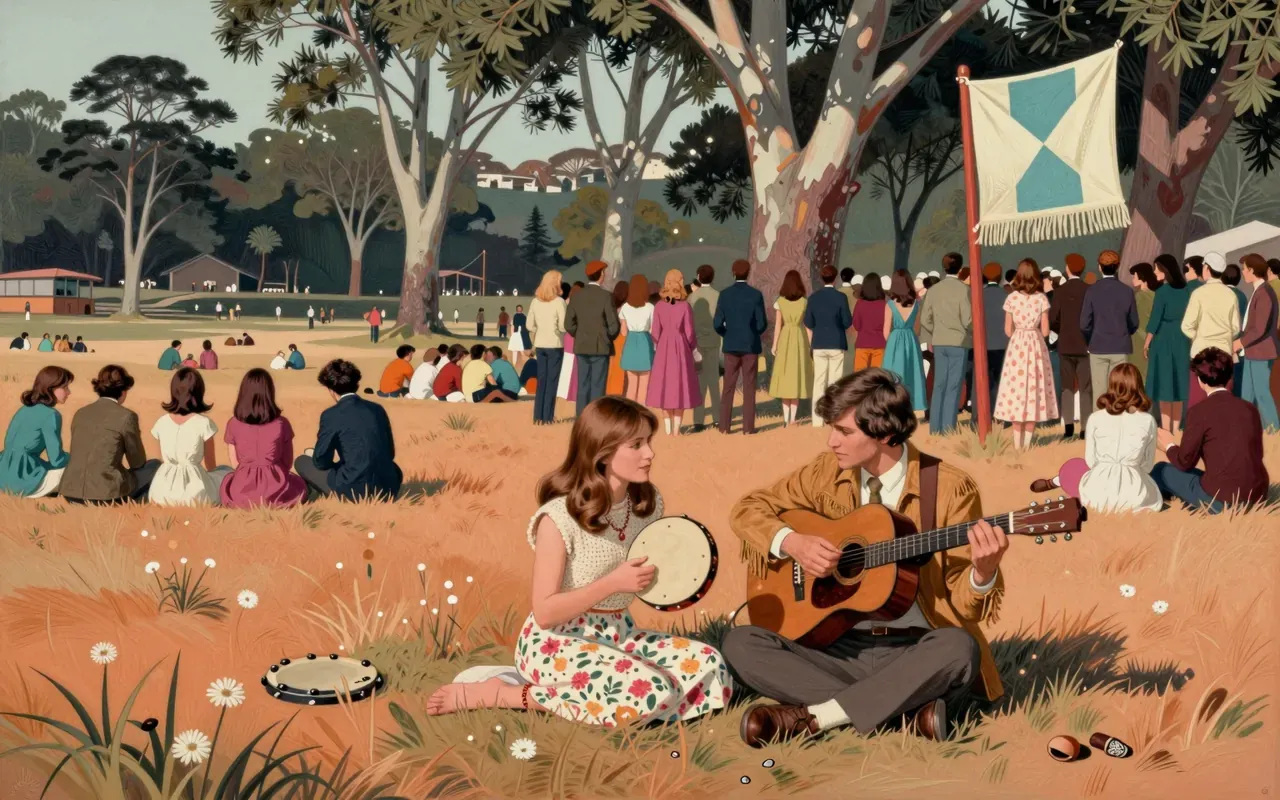
A counterculture is a group whose norms centrally feature conflict with total societal values. Its identity depends on that conflict. It is not alternative lifestyle; it is structured opposition.
Where it came from
John Milton Yinger originated the term ‘contraculture’ in a 1960 article in American Sociological Review. He defined it as a group whose normative system hinges on conflict with dominant culture, involves personality variables in value formation, and is intelligible only in relation to that dominant culture.
What it gets right
It correctly defines counterculture as oppositional by design—not just different, but in active conflict with mainstream values. It anchors the term to Yinger’s 1960 framework and ties its real-world impact to critical mass, not sentiment.
What it gets wrong
It conflates origin with prominence. Yinger coined ‘contraculture’ in 1960, but the document gives no evidence he described the 1960s movements—only that the term became prominent then. Attributing the counterculture to Roszak is presented as scholarly disagreement, not fact.
Why it matters now
Because ‘counterculture’ is now used loosely—to describe anything non-mainstream. The original definition restores rigour: opposition must be structural, not stylistic. That distinction matters in debates about dissent, platform moderation, and institutional critique.
Is it worth your time
Yes—if you need a precise, sociological definition of counterculture, not a nostalgic gloss. It is worth your time only as a conceptual tool, not as cultural history.