9:52in productionCh. 1 · What a museum does/ 9:52 · ceiling 15 min
Society · Ideas
Museum
Museums are not neutral repositories—they are inherited instruments of selection, interpretation, and exclusion.
Museums are institutions that collect, preserve, interpret, and display culturally or scientifically significant objects. They originated as private collections, with public education becoming central only later. Their name derives from the Ancient Greek Μουσεῖον, exemplified by the Musaeum at Alexandria founded c. 280 BC. The earliest known museum is Ennigaldi-Nanna’s museum in Mesopotamia, dating from c. 530 BC. Museums hold diverse objects and frequently specialize in themes like the arts, science, natural history, or local history. Many maintain both publicly exhibited and non-exhibited collections used by researchers and specialists. Since ancient times, museums have been associated with academia and the preservation of rare items. Their primary functions include heritage stewardship for future generations and facilitating education through exhibitions and curriculum-aligned programs.
A museum is defined by four core functions: collect, preserve, interpret, display.
2:59
Where the word comes from
The word and idea descend from ancient Greek temples of learning—not cabinets of curiosity.
4:33
Who they were built for
Public education was added centuries after museums began as elite private collections.
6:14
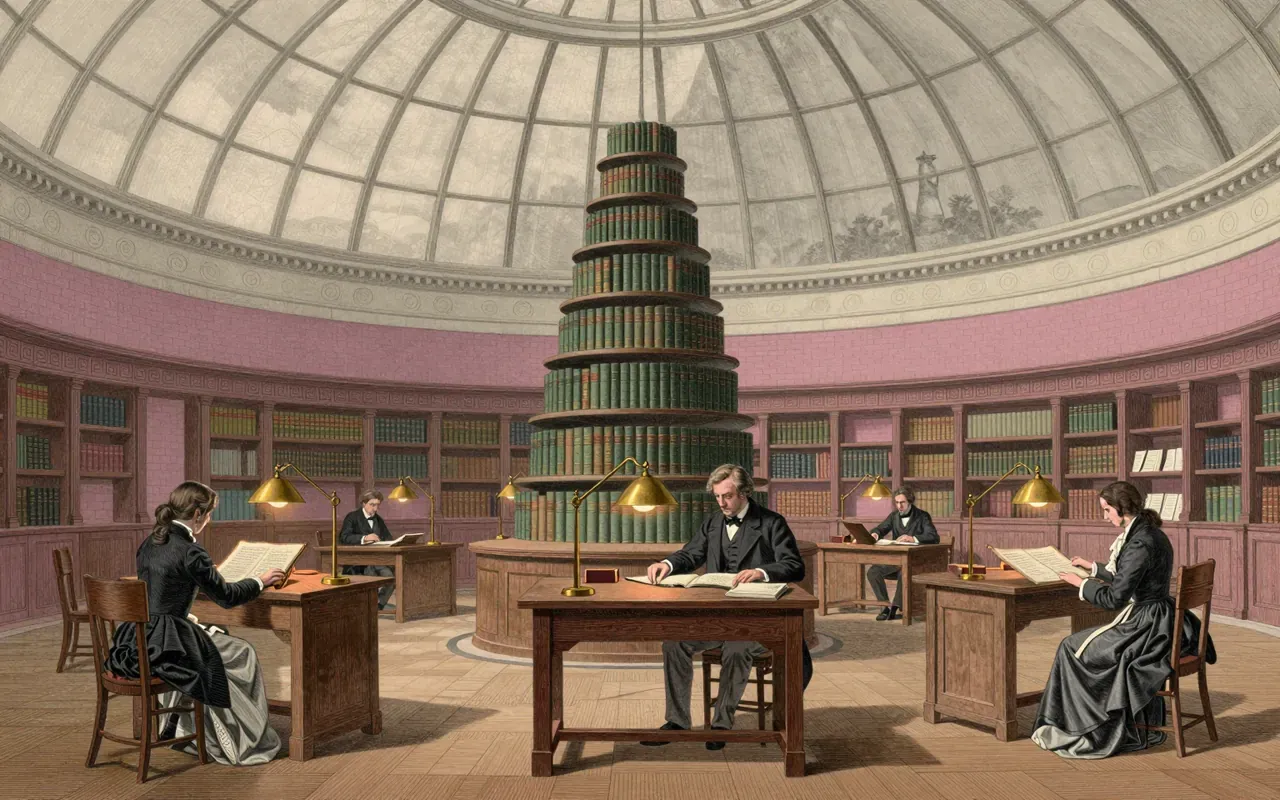
The two audiences
Their dual role—public exhibition and specialist research—creates tension between accessibility and expertise.
Worth your time?
Yes. Study the whole thing.
4/ 5
What works
stewardship
interpretation
access
What does not
iconic
groundbreaking
seminal
timeless
Study it if
educators
curators
historians
Skip it if
casual browsers
The written brief1 min read
What the thing is
A museum is an institution dedicated to displaying and preserving culturally or scientifically significant objects.
Where it came from
The word ‘museum’ comes from the Ancient Greek Μουσεῖον—a temple dedicated to the muses—exemplified by the Musaeum at Alexandria founded c. 280 BC. The earliest known museum is Ennigaldi-Nanna’s museum in Mesopotamia, dating from c. 530 BC.
What it gets right
Museums steward heritage for future generations. They collect, preserve, interpret, and display objects of cultural, historical, or scientific significance. They support academic research through non-exhibited collections.
What it gets wrong
They began as private collections. Public education was not central until much later. That origin still shapes access, authority, and narrative control.
Why it matters now
Museums remain primary sites where heritage is defined, contested, and transmitted—especially as digitisation, restitution debates, and curriculum-aligned education reshape their public role.
Is it worth your time
Yes—if you care how knowledge is curated, controlled, and made legible to the public.