8:01 in production Ch. 1 · Origin: Not code, but clubrooms / 8:01 · ceiling 15 min
Subcultures · Ideas Hacker culture
Hacker culture isn’t about breaking things—it’s about refusing to accept the box as given.
Hacker culture is a practice-based tradition rooted in 1960s MIT academia. It values playful cleverness, software sharing, and hostility to secrecy—not as ideals, but as working methods. It coalesced across independent subcultures, formalised itself through slang and manifestos, and became entangled with the rise of Unix, TCP/IP, and open-source software. Its legacy is structural: it built the norms that let distributed, uncredentialled people collaborate at scale—even as those norms were absorbed into corporate infrastructure.
Chapters & takeaways 4
0:58 Origin: Not code, but clubrooms
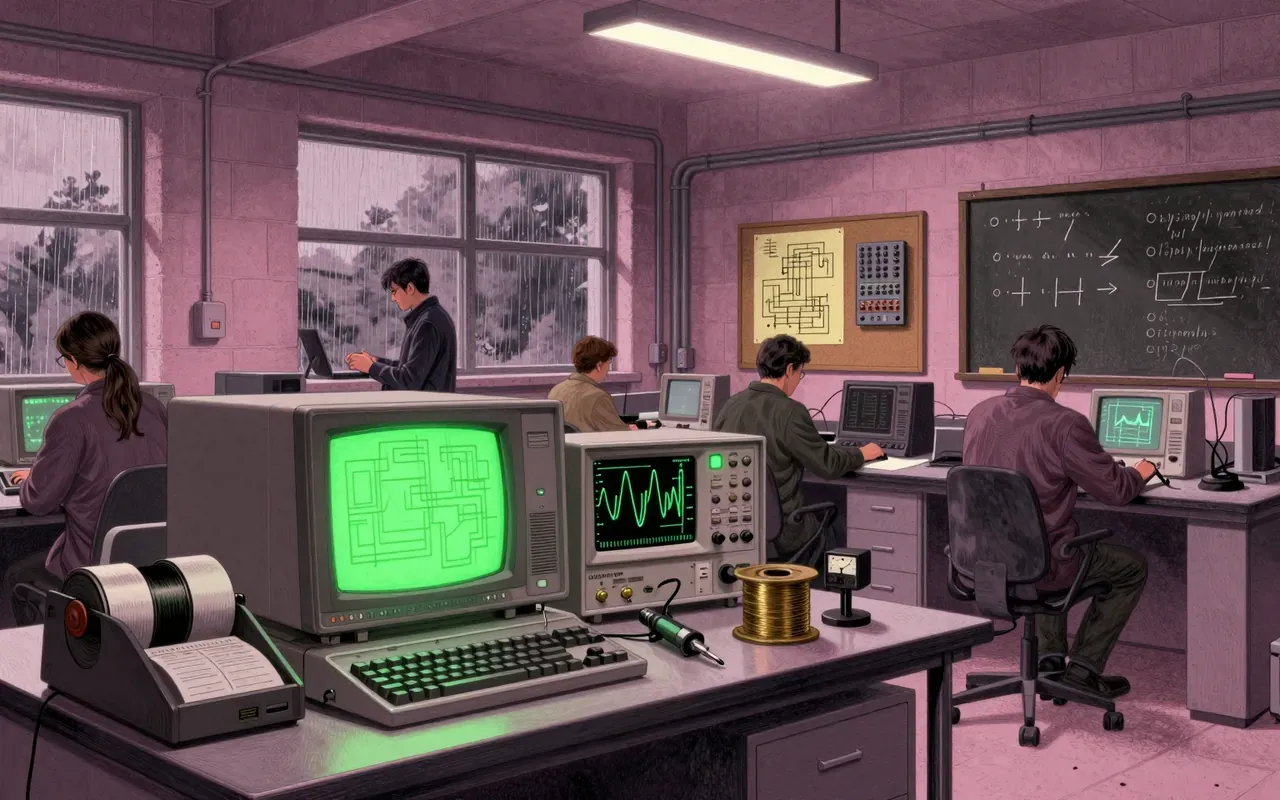
It began not with software, but with model trains and AI labs at MIT in the 1960s.
2:02 Parallel cultures, common code
Multiple parallel subcultures converged on shared values—software sharing, anti-secrecy, playful cleverness—without central coordination.
3:21 No credentials, just jargon
Cohesion emerged through slang and shared history—not degrees, titles, or institutions.
4:46 Consciousness-raising, then capital
Key texts—from the Jargon File to The Cathedral and the Bazaar—made the culture conscious, even as it accelerated tech commoditization.
Worth your time?
Yes. Study the whole thing. 4.5 / 5
What works as origin story as value framework as counterweight to proprietary logic What does not influence define start launch Study it if technical practitioners open-source contributors critics of digital enclosure Skip it if casual users policy generalists historians of non-academic tech The written brief 1 min read
What the thing is
A set of practices and values centred on playful cleverness, freedom of inquiry, and creative circumvention—not coding itself, but how coding is done.
Where it came from
Academic computer enthusiasts at MIT’s Tech Model Railroad Club and AI Lab in the 1960s.
What it gets right
It treats cleverness as a method, not a trait. It values forking over loyalty. It built cohesion without gatekeeping credentials.
What it gets wrong
It conflates hostility to secrecy with hostility to accountability. It assumes rationality excludes emotion or power analysis.
Why it matters now
Because its core tension—between open collaboration and commercial capture—is now the default condition of digital life.
Is it worth your time
Yes—if you want to understand how technical autonomy, shared knowledge, and anti-authoritarian practice became infrastructure.
Same beat · Subcultures 4 of 61
9:41
Beatnik Beatnik is a misnomer that stuck. It named nothing the participants recognised. Its power lies in the gap between what it claimed to represent—and what it actually erased. 11:00
Cosplay Cosplay is a materially grounded, globally dispersed performance practice rooted in two separate histories—one in US sci-fi fandom, one in Japanese anime culture. Its significance lies in how it turns representation into labour, and character into conduct. 8:43
Cyberpunk Cyberpunk is a subgenre of science fiction defined by 'lowlife and high tech'. It emerged from the New Wave movement of the 1960s–70s. The term first appeared in Bruce Bethke’s 1980 short story, published in 1983. Neuromancer (1984) solidified it as a genre. Blade Runner (1982) and Akira (1982) are early canonical works. It juxtaposes AI and cyberware with societal collapse, dystopia or decay. 8:49
Gabber 1992 Gabber is a Dutch electronic dance music subgenre of hardcore, developed in Rotterdam and Amsterdam in the 1990s. It is characterised by fast beats, distorted and heavy kickdrums, and dark themes. It formed as an underground, anti-establishment movement centred on illegal raves in warehouses, basements and tunnels. It later entered mainstream Dutch culture via events like Thunderdome and spread globally to rave communities in the UK, Spain, Italy, US and Australia. It remains highly popular in the Netherlands and saw a major resurgence in the late 2010s.