10:20in productionCh. 1 · What it looks like/ 10:20 · ceiling 15 min
Subcultures · Generations
Cottagecore
Cottagecore is not nostalgia — it’s economic protest dressed as embroidery.
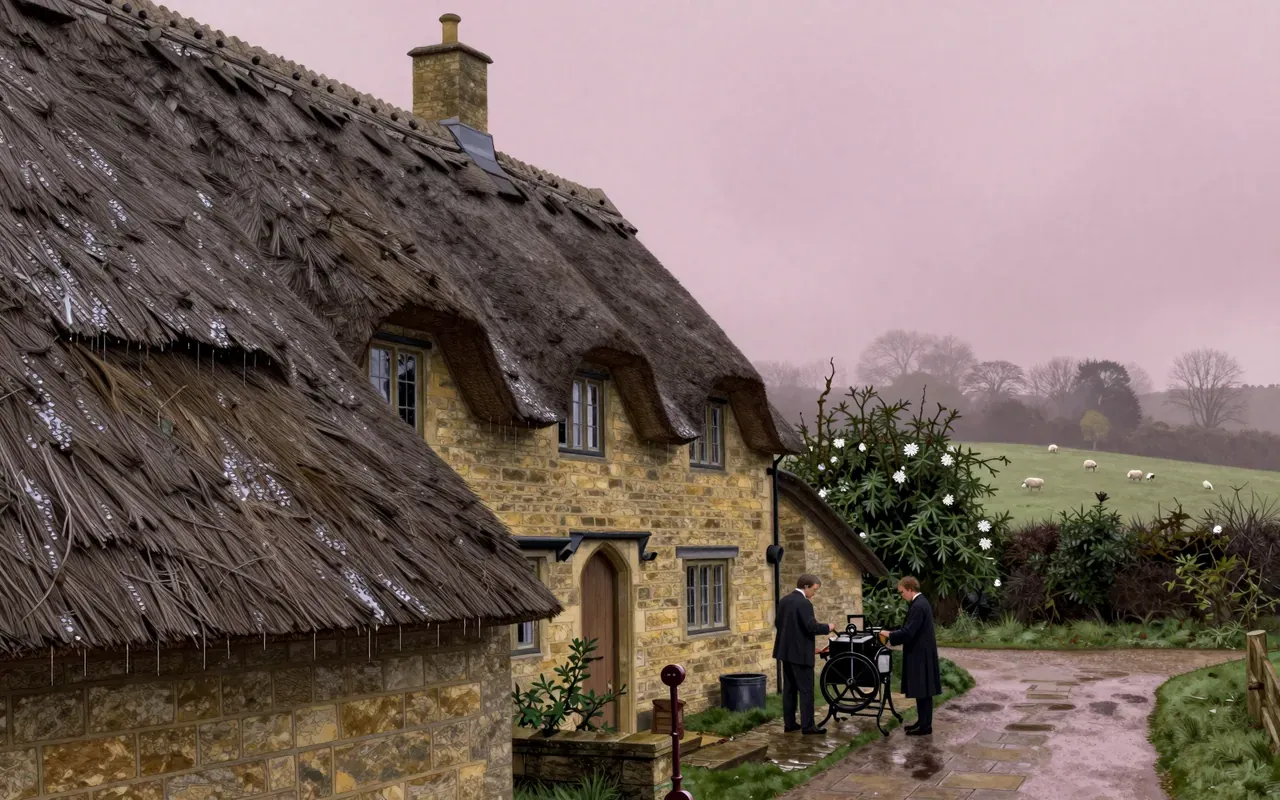
Cottagecore is an internet aesthetic and subculture centred on rural way of life. It centres on traditional and vernacular architecture, clothing, interior design and crafts. It was first named on Tumblr in 2018. It is a subculture of Millennials and Generation Z. It developed as a response to economic pressures faced by young people. It satisfies an "aspirational form of nostalgia" for its proponents, as well as an escape from many forms of stress and trauma. It was described as a reaction to hustle culture and the advent of personal branding. It was called a "visual and lifestyle movement designed to fetishise the wholesome purity of the outdoors." It emphasizes simplicity and a pastoral life as an escape from the dangers of the modern world.
It is a rural aesthetic built for urban screens — architecture, clothing and crafts rendered as mood, not method.
2:48
Where it came from
It began on Tumblr in 2018 as a Millennial and Gen Z response to economic pressure — not a whim, but a reflex.
4:25
What it promises
It sells pastoral simplicity as antidote to modern danger — an aspirational nostalgia that soothes but does not solve.
5:57
What it contradicts
It rejects hustle culture and personal branding — yet reproduces them in curated feeds of 'wholesome purity'.
Worth your time?
Yes. Study the whole thing.
3.5/ 5
What works
Tumblr
What does not
culture/art
culture/literature
culture/photography
culture/food
Study it if
Millennials
Generation Z
Skip it if
rural communities
agricultural workers
historians of vernacular architecture
The written brief1 min read
What the thing is
Cottagecore is an internet aesthetic and subculture centred on rural way of life. It centres on traditional and vernacular architecture, clothing, interior design and crafts.
Where it came from
It was first named on Tumblr in 2018. It is a subculture of Millennials and Generation Z. It developed as a response to economic pressures faced by young people.
What it gets right
It names a real desire: for slowness, sustainability and pastoral simplicity in the face of burnout. It gives visual form to agrarianism and craft without requiring land or livestock.
What it gets wrong
It fetishises the outdoors as wholesome purity. It displaces material rural life with stylised fantasy. It offers escape, not infrastructure.
Why it matters now
It matters now because it reveals how digital generations translate stress, trauma and hustle culture into coherent visual language — one that prioritises feeling over feasibility.
Is it worth your time
It is worth your time if you want to understand how young people articulate resistance to economic precarity through aesthetics — not as politics, but as daily ritual.