9:20in productionCh. 1 · The Starting Point/ 9:20 · ceiling 15 min
Ideas · Society
Humanism
Humanism doesn’t replace religion—it replaces revelation with assumption.
Humanism is a philosophical stance centred on human agency, well-being, autonomy, and reason—rejecting supernatural revelation—and historically rooted in Italian Renaissance scholarship, later reinforced by Enlightenment science and institutionalized globally in the 20th century as a largely secular, non-theistic life stance.
Renaissance scholars launched it; Enlightenment science cemented it.
3:32
Institutionalised Secularism
By the early 20th century, it had organisations—not just ideas.
5:17
The Contemporary Stance
Today it defends autonomy and freedom—but only against religion, not power.
Worth your time?
Yes. Study the whole thing.
4/ 5
What works
as a framework for public ethics
as a historical marker of intellectual independence from doctrine
as a boundary line in education policy debates
What does not
replace religion
resolve tensions between autonomy and collective obligation
engage theological arguments on their own terms
Study it if
secular policymakers
students of ethics
critics of state-religion entanglement
Skip it if
devotees of revealed tradition
practitioners of ritual-based ethics
those seeking metaphysical foundations
The written brief1 min read
What the thing is
Humanism is a non-theistic philosophical stance centred on human agency, well-being, autonomy, and reason. It treats humans as the sole starting point for serious moral and philosophical inquiry.
Where it came from
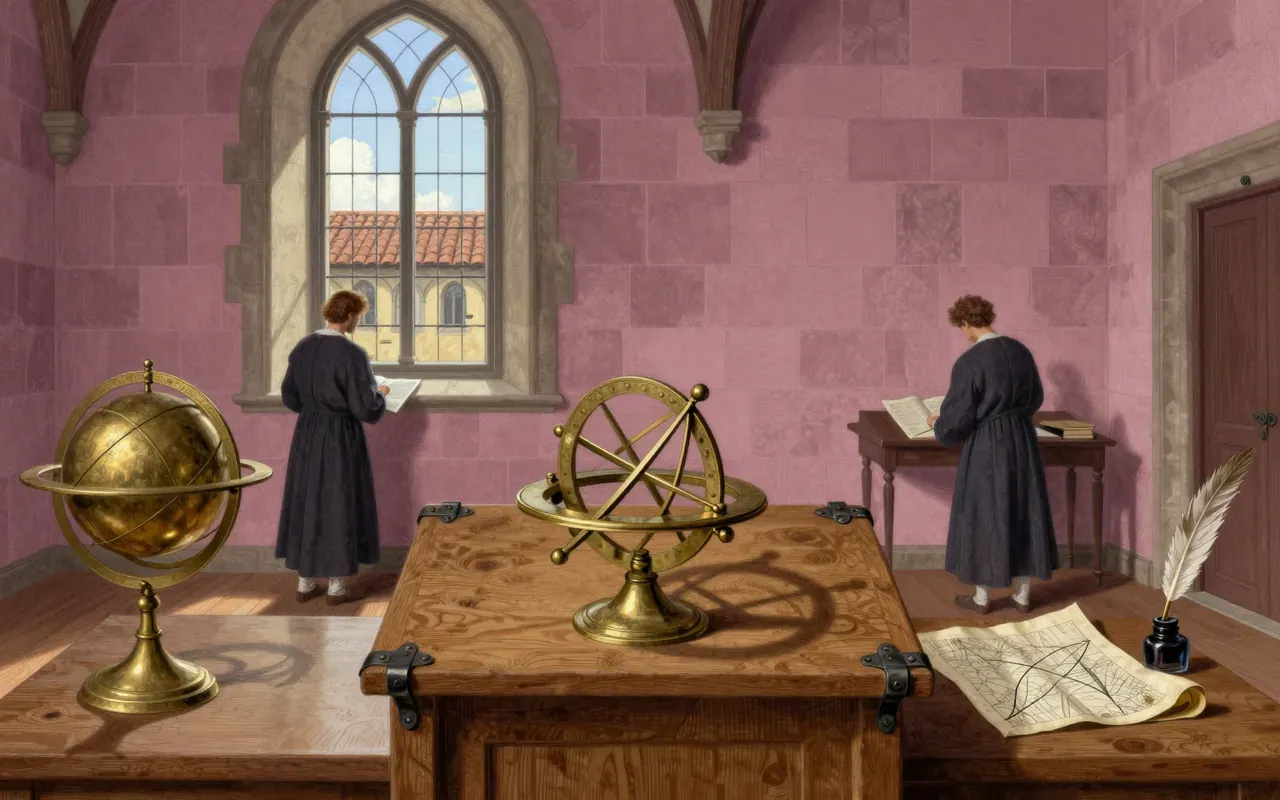
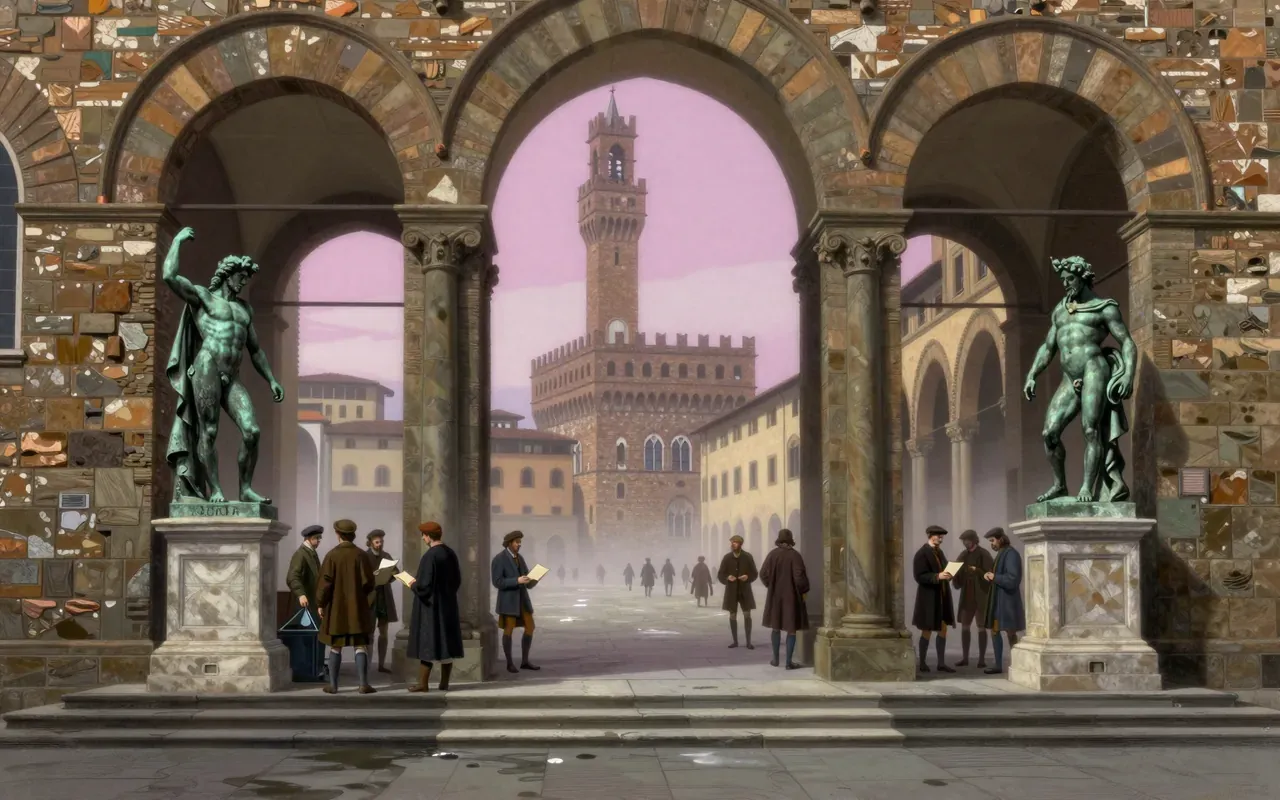
It began with Italian Renaissance scholars inspired by Greek classical scholarship. It was reinforced by Enlightenment science and technology. It became institutionalised globally in the 20th century as a largely secular life stance.
What it gets right
It treats human beings as the starting point for moral and philosophical inquiry. It rejects supernatural revelation in favour of science and reason. It insists religion is not a precondition of morality.
What it gets wrong
It displaces older traditions that integrated reason with revelation—without engaging their arguments. It assumes autonomy and progress are self-evidently good, not contested ideals.
Why it matters now
Because humanist values now shape debates over education policy, state-religion boundaries, and the legitimacy of secular ethics—especially where religious entanglement with public institutions is contested.
Is it worth your time
Yes—if you’re deciding how much weight to give human reason, secular ethics, or the claim that morality needs no divine foundation.