What the thing is
Remix culture is a read-write culture. It allows and encourages derivative works by combining or editing existing materials.
Where it came from
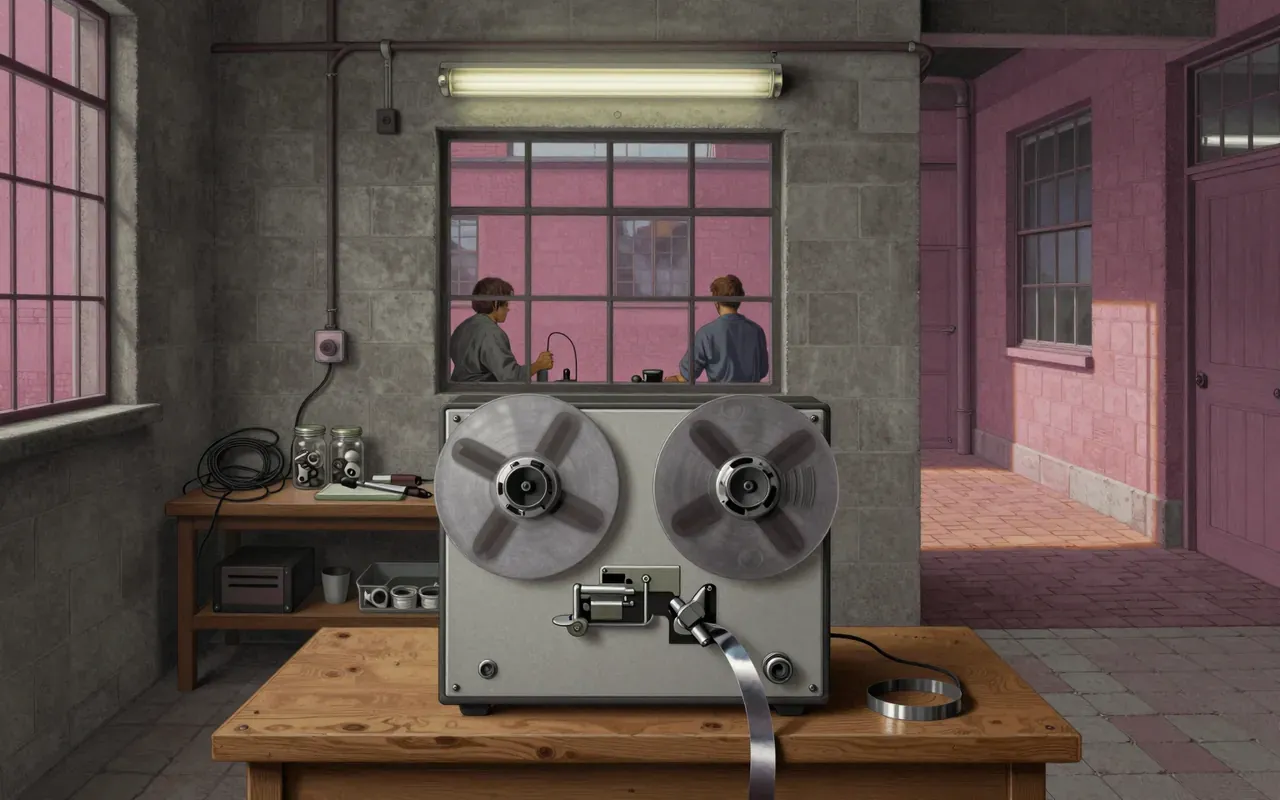
It was shaped by analog sound recording at the dawn of the 20th century, inspired by free and open-source software, and institutionally advanced by Creative Commons licenses released in 2001.
What it gets right
It names a real condition: digital technology enables infinite, lossless reproduction and editing. That technical fact reshapes what can be made, shared and remade.
What it gets wrong
It implies remix is new or distinct from human history. But remixing was always part of human culture. The term obscures continuity with oral tradition, folk variation and analog collage.
Why it matters now
Because copyright law still defaults to exclusivity — and digital tools keep outpacing legal frameworks. The tension between permissionless editing and enforced ownership defines platform policy, education, and artistic practice today.
Is it worth your time
Yes — if you care about who controls culture, how law shapes creativity, and why editing feels like breathing online.