What the thing is
Ai Weiwei is a methodical investigator who built volunteer-driven, evidence-based campaigns to expose state failure—especially in the Sichuan earthquake school collapses.
Where it came from
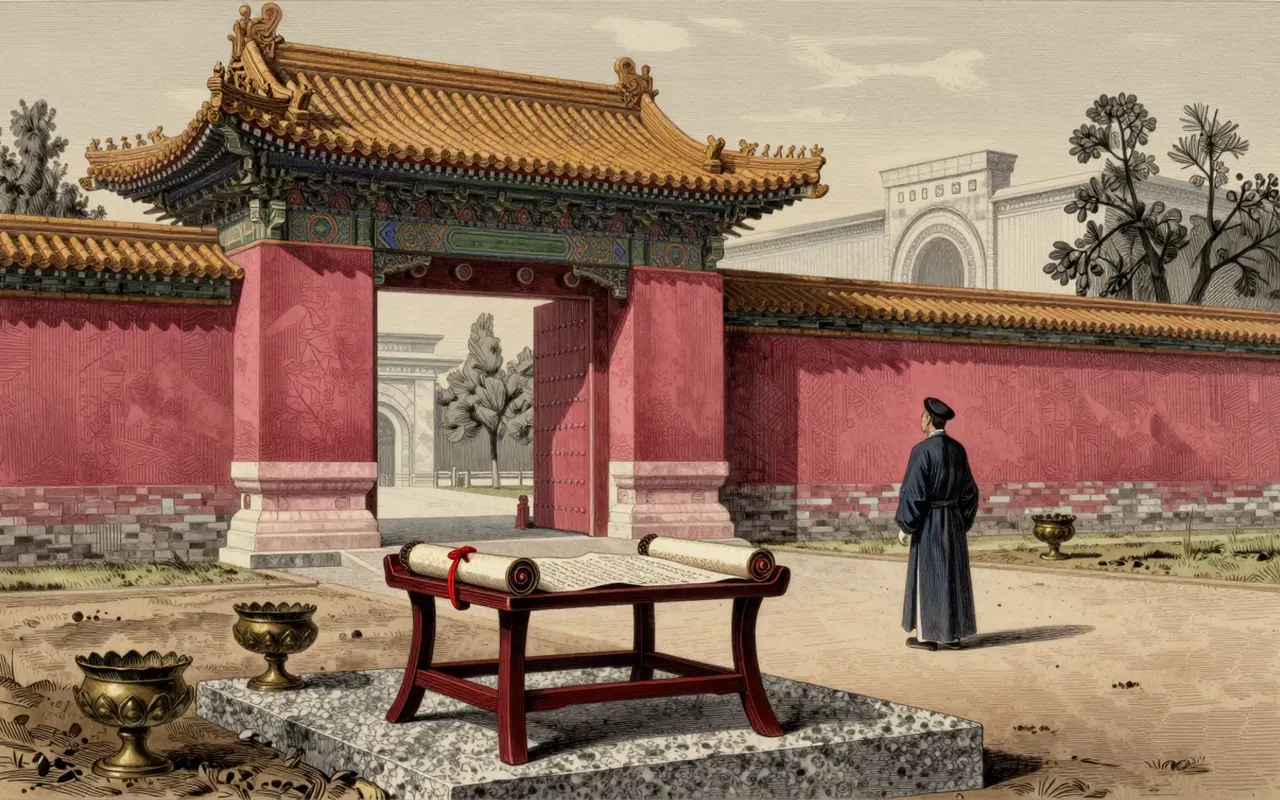
His activism emerged from lived exile: childhood in northwestern China under his father’s political banishment, shaping a practice rooted in witness, not abstraction.
What it gets right
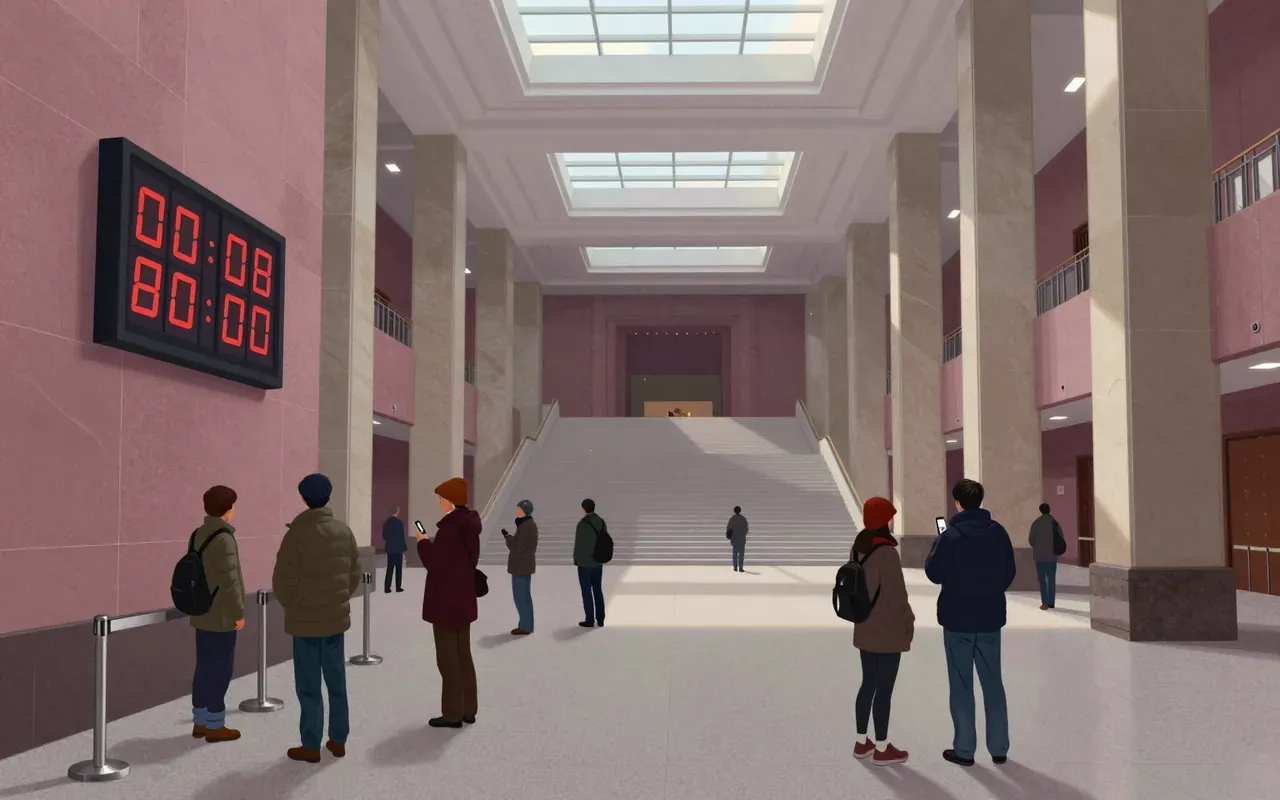
It treats documentation as ethical action. The Citizens’ Investigation named the dead, demanded responsibility, and centred survivor welfare—not spectacle or abstraction. By 14 April 2009 the Citizens’ Investigation had compiled 5,385 names of student victims of the 2008 Sichuan earthquake.
What it gets wrong
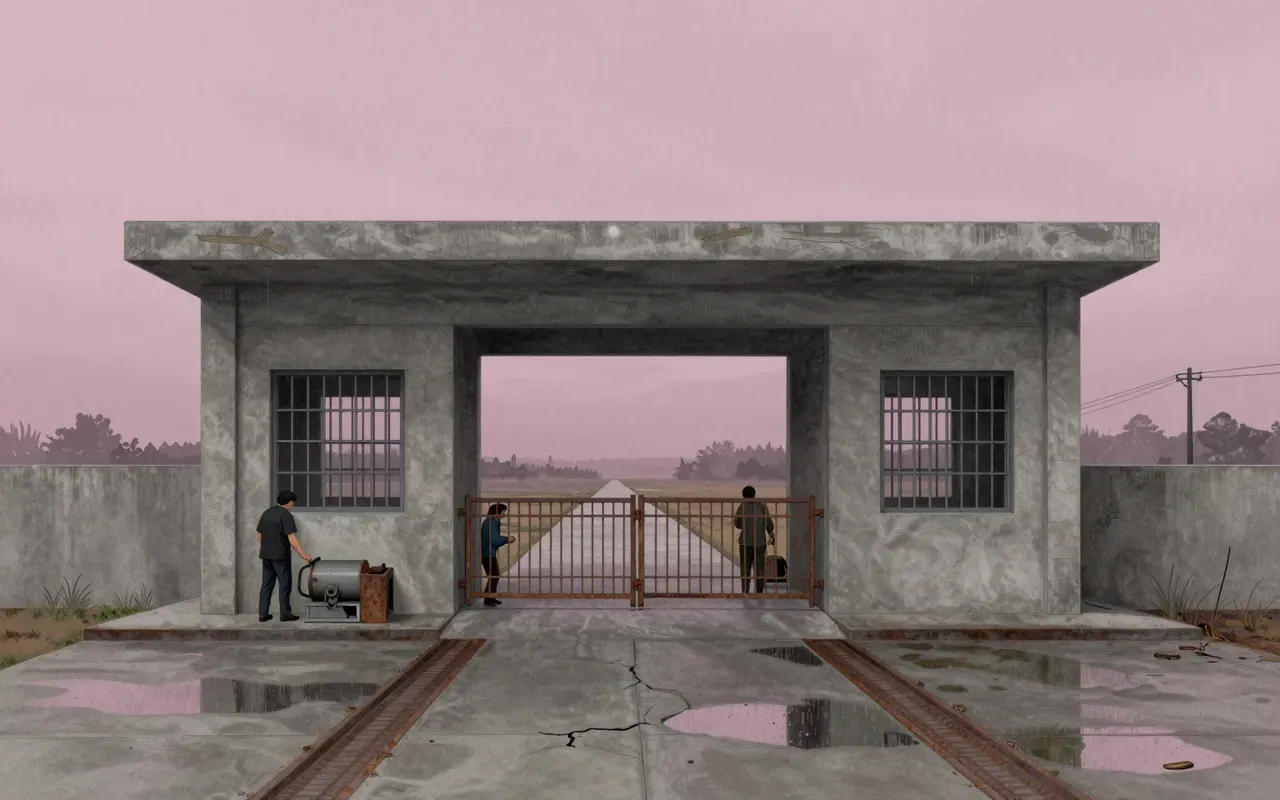
It assumes public naming alone can compel state accountability. The 5,385 names did not trigger official redress, nor halt further suppression of investigators. Ai himself was detained for 81 days without formal charge after his arrest at Beijing Capital International Airport on allegations of economic crimes.
Why it matters now
Because citizen documentation is now both more technically possible and more violently policed—and Ai’s case shows the precise point where data collection becomes bodily risk. He was assaulted by police in Chengdu while supporting Tan Zuoren’s legal case on school construction failures, and afterwards experienced persistent headaches and impaired concentration.
Is it worth your time
Yes—if you need to understand how citizen-led accountability functions under authoritarian constraint, and what physical cost it exacts.