9:04in productionCh. 1 · Not a school. A seat./ 9:04 · ceiling 15 min
Ideas · Society
Frankfurt School
Critical theory was never neutral. It was a weapon forged in exile against fascism, capitalism, and dogma—and it still cuts.
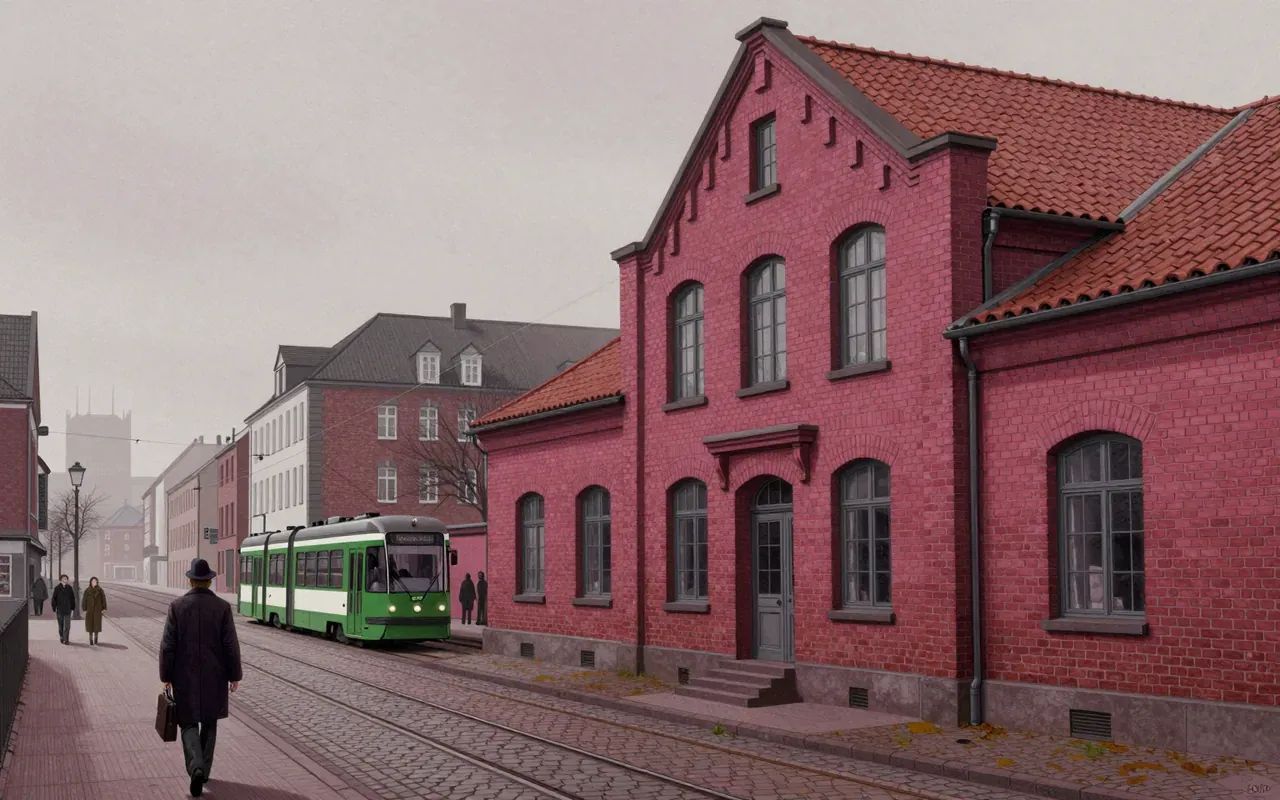
The Frankfurt School is a school of thought in sociology and critical theory associated with the Institute for Social Research, founded on February 3, 1923, at the University of Frankfurt am Main during the Weimar Republic and European interwar period (1918–39). It united scholars around a shared commitment to human emancipation, pursued through a multidisciplinary synthesis of Marxism, psychoanalysis, and empirical sociological research — defining critical theory as non-dogmatic social critique aimed at sociological change and intellectual emancipation.
It is not a university department or a philosophy seminar—it is a named tradition anchored to one institute and one founding date.
2:07
Weimar crucible
It was born in crisis—not as theory for its own sake, but as intellectual emergency response to fascism, communism, and capitalism all failing at once.
3:24
Three disciplines, one aim
It fused Marxism, psychoanalysis, and empirical research to ask not just what society is—but how it stops people from seeing it clearly.
5:04
Critique with teeth
Critical theory was defined as critique that changes society—not explains it.
Worth your time?
Yes. Study the whole thing.
4.5/ 5
What works
Traditional and Critical Theory (1937)
What does not
influence specific artists or movements beyond what is documented
define post-war intellectual life
offer solutions to contemporary crises
Study it if
readers who treat theory as a tool, not a talisman
students of ideology, media, and power
Skip it if
those seeking practical policy frameworks
readers who expect historical analysis to deliver moral clarity
The written brief1 min read
What the thing is
A school of thought in sociology and critical theory.
Where it came from
It emerged from the Institute for Social Research, founded on February 3, 1923, at the University of Frankfurt am Main during the Weimar Republic and European interwar period (1918–39).
What it gets right
It correctly diagnosed the entanglement of ideology, psychology, and mass culture in sustaining domination.
What it gets wrong
It overestimated the passivity of audiences and underestimated resistance embedded in everyday life.
Why it matters now
Its framework remains the default grammar for analysing algorithmic control, platform ideology, and manufactured consent—though its tools were built for radio, not recommendation engines.
Is it worth your time
Yes—if you want to understand how critique became a discipline, not just a reaction.