Saved
Society · Movements & scenes

Berlin International Film Festival

1951

A Cold War instrument disguised as a film festival.

Worth your time?3.5/5Yes.Study the whole thing.What works, what does not, who it is for ↓
9:15in productionCh. 1 · Conceived by a US officer/ 9:15 · ceiling 15 min
5 chapters · 9:15Ceiling 15:00

The brief is written and checked. The video joins this page when it is cut.5 chapters · 1 min read · 9:15 planned

Read the brief

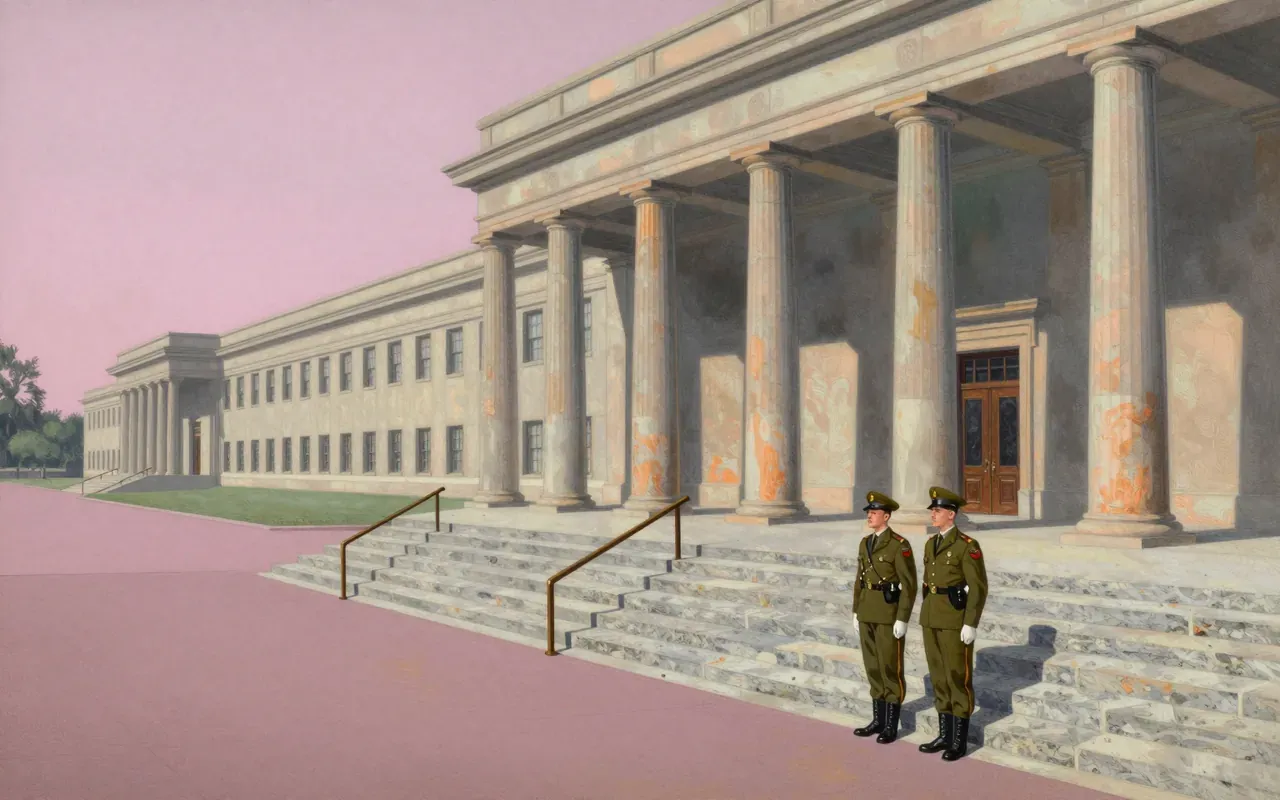
The Berlin International Film Festival began as a Cold War project—not a cinematic one. Its founding was administrative, not artistic. Its funding was American, not German. Its legitimacy was conferred by West German panels, not international peers. Its venues were civic infrastructure, not cultural landmarks. Its first film was Rebecca—not a German work, not a political statement, but a safe transatlantic choice. It mattered because it worked: it anchored West Berlin as a cultural capital, even as it erased the division it existed to manage.

Chapters & takeaways5
  1. 1:13
    Conceived by a US officer

    An American film officer, not a filmmaker or critic, conceived the festival.

  2. 2:19
    Approved by local and national authorities

    West Berlin’s Senate and West German film industry formally endorsed it before launch.

  3. 3:33
    Backed by American loans and influence

    US military administration funded and enabled the first editions.

  4. 4:41
    Launched with Hitchcock, not ideology

    Rebecca opened it. It ran for twelve days. Five Golden Bears were awarded by a West German panel.

  5. 5:47
    Shut down by its own politics

    The 1970 edition collapsed over a single anti-war film—proving its political fragility.

2 more chaptersFewer chapters
Worth your time?

Yes. Study the whole thing.

3.5/ 5
What works
  • as diplomatic apparatus
  • as administrative tool
  • as West German legitimacy project
What does not
  • celebrate film
  • represent German cinema
  • emerge from artistic community
Study it if
  • US information officers
  • West Berlin Senate
  • West German film industry
Skip it if
  • East German audiences
  • international filmmakers
  • German film critics
Who should study it, and who should skipHide who it is for
The written brief1 min read

What the thing is

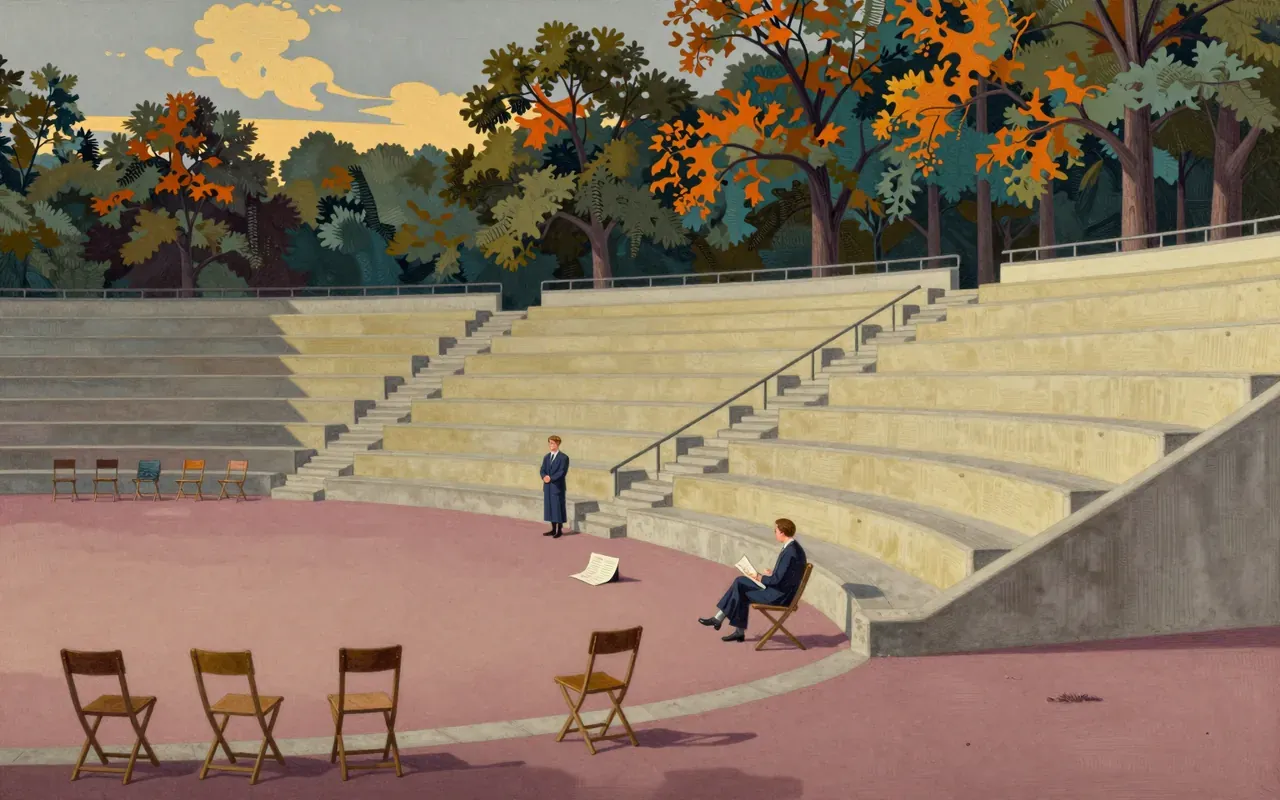
A film festival founded in 1951 in West Berlin. It awarded Golden Bear prizes across five categories. It ran from 6 to 17 June at Titania-Palast and Waldbühne.

Where it came from

Oscar Martay, an American film officer in West Berlin, proposed it in 1950. A committee including West Berlin’s Senate and West German film industry representatives approved it on 9 October 1950. The American military administration provided loans and assistance.

What it gets right

It placed West Berlin on a global cultural map. It used film as diplomatic cover. It gave West German institutions legitimacy through American backing.

What it gets wrong

It claimed neutrality while operating under US military administration. It presented itself as a pan-German institution despite being confined to West Berlin and governed by West German panels.

Why it matters now

It reveals how cultural events are built on administrative power—not artistic consensus—and how early Cold War soft power relied on logistical control, not shared values.

Is it worth your time

Yes—if you want to understand how cultural infrastructure was weaponised in the Cold War, not celebrated.
Same beat · Society4 of 300
9:32
Goethe-Institut1951The Goethe-Institut is a German state-backed cultural organisation founded in 1951. It operates globally to promote the German language and facilitate cultural exchange. Its independence is formal—not financial. Its reach is vast. Its framing as neutral exchange obscures its role in Germany’s foreign policy apparatus.
8:22
The Power Elite1956The Power Elite (1956) maps how military, corporate, and political leaders form an interlocking ruling class in postwar America—reproduced not by birthright but by elite education, exclusive fraternities, and inherited social networks. It rejects conspiracy in favour of structural convergence. It remains relevant because those institutions endure—and their recruitment pipelines have changed little in form, if much in detail.
9:26
Humboldt University of Berlin1809Humboldt University of Berlin (1809) is the prototype research university: state-founded, discipline-structured, and globally imitated. Its innovations—like the first history chair and the Humboldtian model—defined modern academia. But its authority came from Prussian monarchy, not democratic mandate. Its legacy includes both Johns Hopkins and Nazi purges. It reshaped who gets to produce knowledge—and on whose terms.
9:06
CommunitarianismCommunitarianism is a political philosophy that emphasises the individual-community connection. It treats community as the primary shaper of identity and personality. It favours family and voluntary associations over state or market. The term 'communitarian' was coined in 1841 by John Goodwyn Barmby. The philosophy gained academic traction in the 1980s. 'Responsive communitarianism' emerged in the early 1990s via Amitai Etzioni and William A. Galston. It correctly identifies civil society institutions as non-coercive sites where moral culture forms. It insists that identity and personality are shaped by relationships—not just choice. It treats 'community' as affect-laden and shared-by-default, ignoring how power, exclusion, and hierarchy operate within those same institutions. Its language—'common good', 'moral fabric', 'shared values'—still frames centrist policy debates, even as the term itself is avoided publicly due to collectivist connotations.
Up next in Culture

Biblioteca Nazionale Centrale di Roma

1875 · 8:49

Italy’s national library in Rome collects everything published in the country—but locks it behind bureaucracy.

8:49