culturebriefs
6:57in productionCh. 1 · Not a phase/ 6:57 · ceiling 15 min
Society

Personal development

Personal development is not self-discovery—it’s capability infrastructure, often mislabelled as growth.

Personal development is capability infrastructure—lifelong, role-agnostic, and institutionally embedded. It gets right the centrality of goals, feedback, and measurement. It gets wrong the conflation of skill-building with moral formation. It matters now because workplaces treat it as policy, not preference. Worth your time only if you build or are built by systems—not if you seek meaning.

Chapters & takeaways4
  1. 0:54
    Not a phase

    It is lifelong and goal-directed—not a phase, a crisis response, or a luxury.

  2. 1:56
    It includes developing others

    Developing others counts as personal development—as teacher, manager, coach, or mentor.

  3. 3:21
    Workplace infrastructure

    In institutions, it means structured programs, assessments, and feedback systems—not just workshops.

  4. 4:37
    Development ≠ growth

    It focuses on 'what' evolves—skills, performance, aspiration—not 'who' becomes, which belongs to personal growth.

Worth your time?

Yes. Study the whole thing.

3.5/ 5
What works
  • capability-building
  • structured feedback
  • aspiration fulfilment
What does not
  • personal-style
  • identity
  • therapy
  • religion
Study it if
  • managers
  • trainers
  • coaches
Skip it if
  • philosophers
  • therapists
  • spiritual seekers
The written brief1 min read

What the thing is

Personal development is a multidimensional, lifelong process of enhancing capabilities, potential, quality of life, and aspiration fulfilment.

Where it came from

It emerged from overlapping domains: education, psychology, religion, workplace practice, and industry. It draws on philosophical, cultural, and scientific traditions—but no single origin point or founding text is named in the sources.

What it gets right

It names a real, lifelong process of capability-building that crosses formal and informal roles. It includes teaching, mentoring, coaching, and management as legitimate forms of development work. It acknowledges measurement, feedback, and staged progress as functional tools—not just buzzwords.

What it gets wrong

It conflates skill-building with moral or value development. It offers no internal guardrails against commercialisation or conceptual drift. Its definition is broad enough to absorb critique without changing practice.

Why it matters now

Because workplace policies increasingly treat human development as operational infrastructure—not optional enrichment. Bob Aubrey’s contention that it must be integral to workplace practice reflects a shift from discretionary self-help to mandated adult development.

Is it worth your time

Yes—if you are responsible for developing others, or are being developed in an institutional setting. No—if you expect it to resolve moral confusion or deliver self-knowledge without scaffolding.
Same beat · Society4 of 286
8:48
Image macroImage macros are a digital interface—not an art form. They standardised how millions expressed irony, frustration and affiliation before platforms automated tone and stripped away authorship. Their rigidity enabled scale. Their simplicity enabled theft. Their legacy isn’t humour—it’s the template as infrastructure.
9:10
Self-managed social centerSelf-managed social centers are anti-authoritarian, volunteer-run spaces that operate as infoshops, free schools, bicycle workshops and concert venues. They began in Italy in the 1980s and spread to the US and UK in the 1990s. They oppose gentrification and megaprojects. They create and practice the commons. They are transient, precarious, and politically active—but do not survive long enough to institutionalise what they prefigure.
10:00
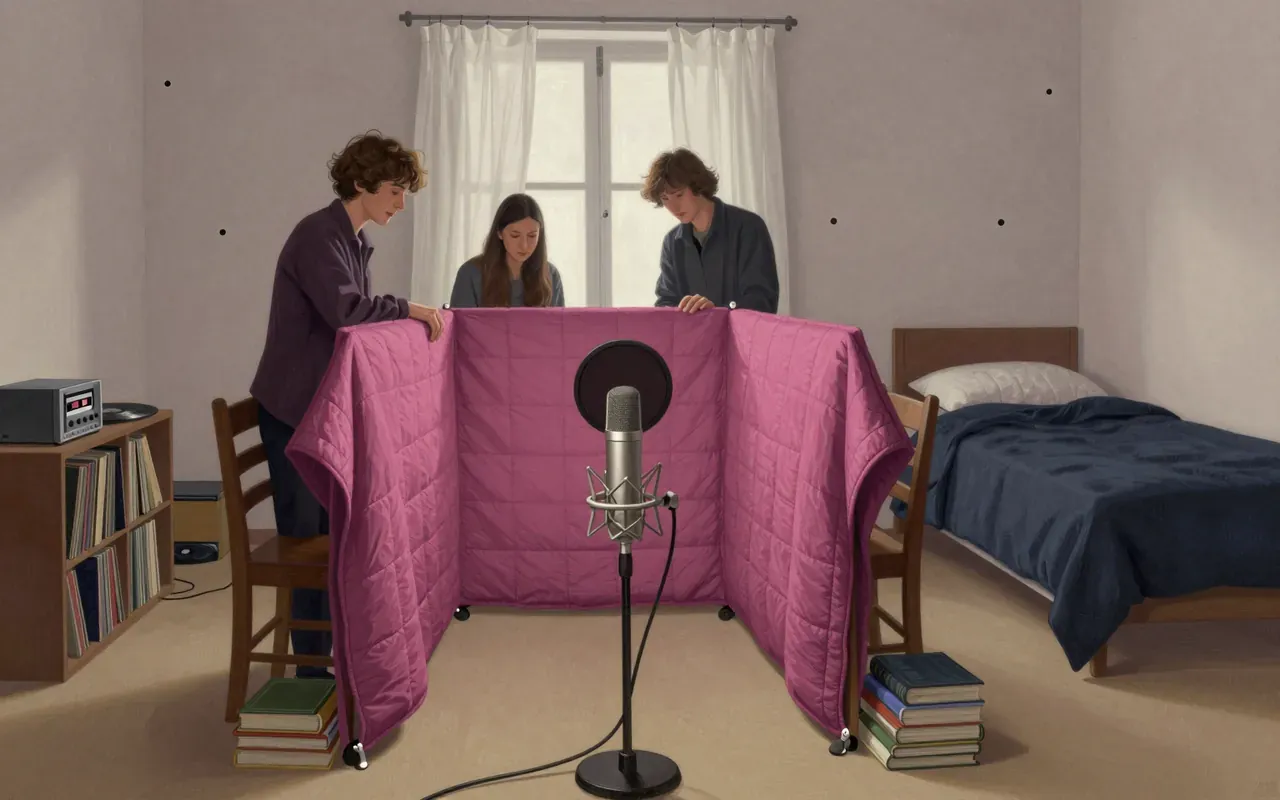
Home recordingHome recording is sound captured in private homes—not studios. It began with isolated pioneers in the US, UK, Australia, and Jamaica in the 1950s–1970s. The 1979 Portastudio enabled consumer multitrack recording. Digital recorders and DAWs replaced analog in the 1990s. Lockdowns in 2020 caused a global surge in home-based artists and microgenres. Untreated rooms produce misleading acoustics that compromise mixing. Professional studios have been heavily impacted over the last two decades.
10:02
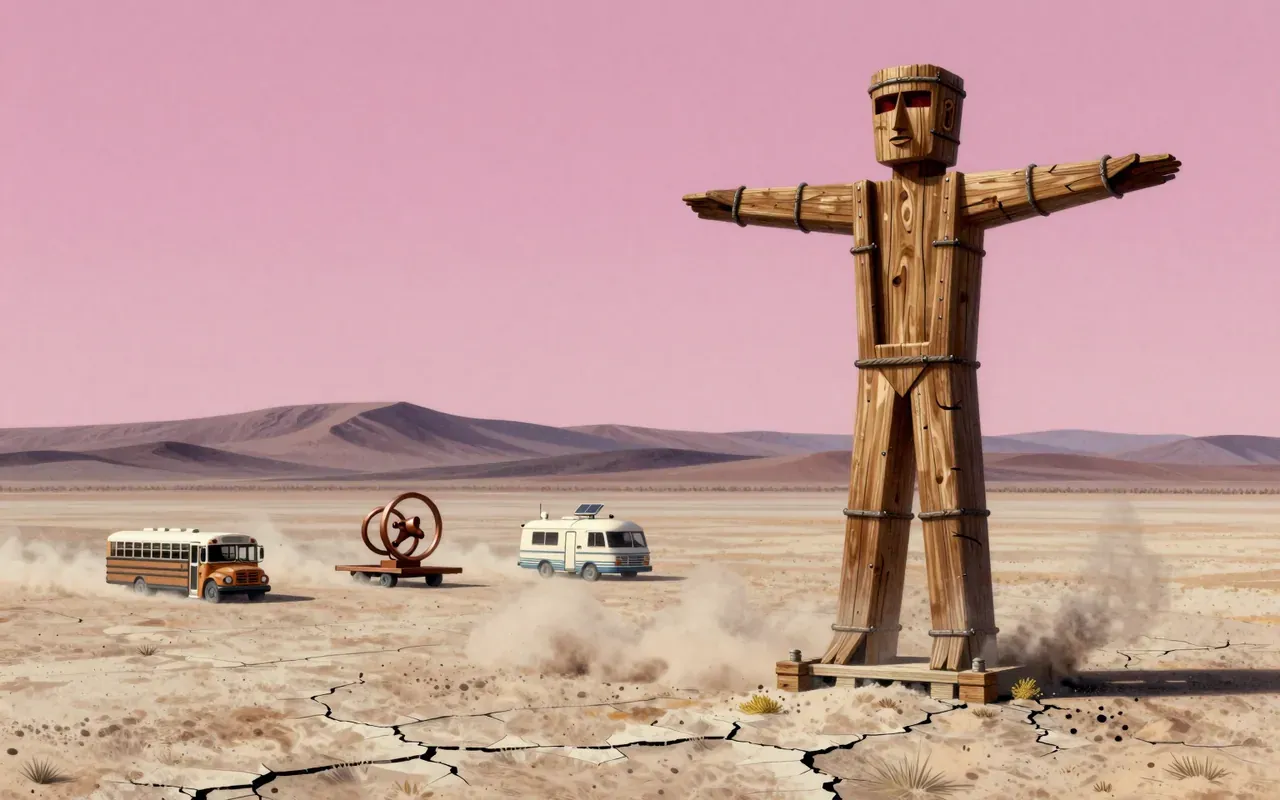
Burning Man1986Burning Man is a participant-built desert gathering named for the ceremonial burning of a wooden effigy—the Man—on the Saturday before Labor Day. It began on Baker Beach in 1986, moved to the Black Rock Desert in 1990, and operates on radical self-reliance, communal effort, and theme-driven art made solely by attendees. Its ten principles were codified in 2004—not at origin—and its model has since been replicated, commercialised, and contested. It is neither pure counterculture nor corporate spectacle, but a documented instance of how ritual, place, and principle diverge over time.
Up next in Culture

Personal web page

· 7:50

The personal web page is the last unbranded, untracked, user-owned corner of the internet—and it works precisely because almost no one uses it anymore.

7:50