7:54in productionCh. 1 · Origin/ 7:54 · ceiling 15 min
Society · Generations
Chana masala
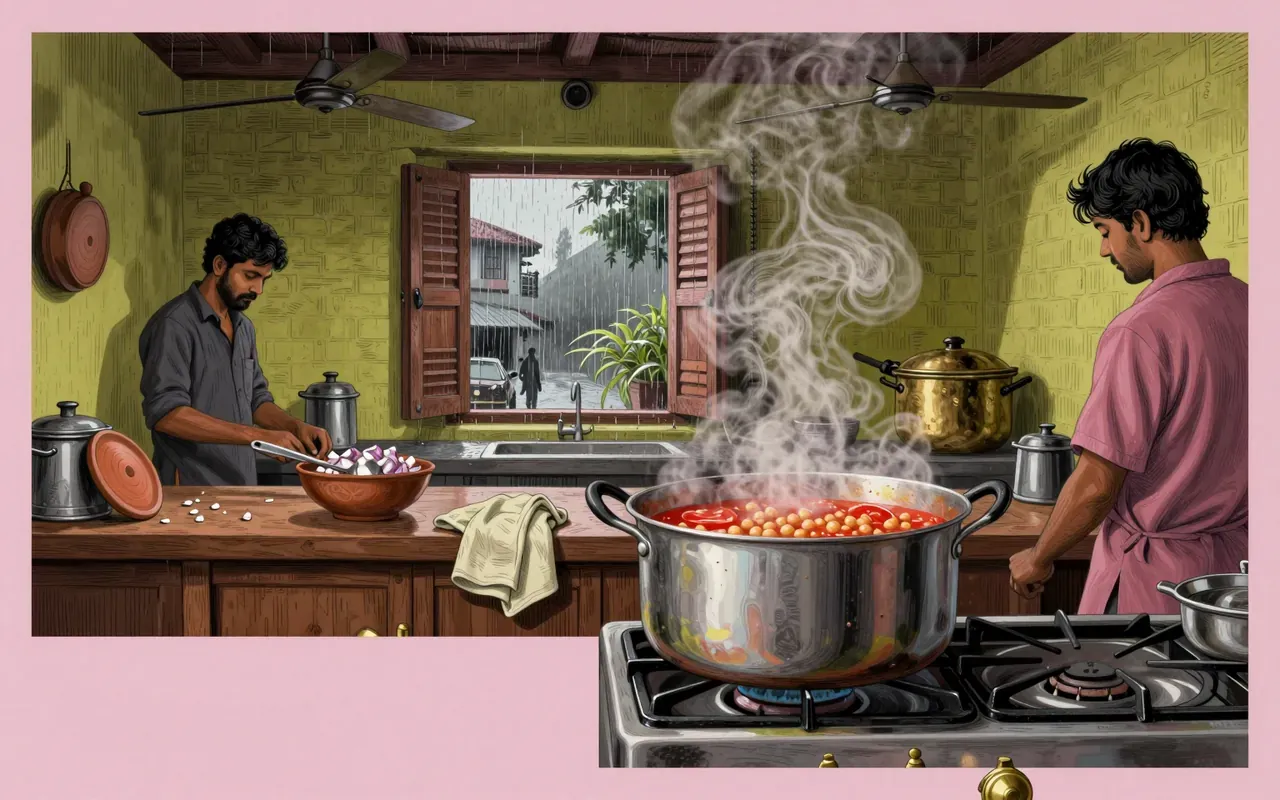
Chana masala is not fusion food — it is infrastructure for feeding people well, one soaked chickpea at a time.
Chana masala is a chickpea curry in a tomato-based sauce. It originated on the Indian subcontinent. It is a staple in North Indian and Pakistani cuisine. Its preparation requires soaking raw chickpeas overnight, then cooking them with onions, tomatoes, and spices including amchoor, coriander, cumin, garam masala, and turmeric.
It is not an invention of diaspora kitchens — it began on the Indian subcontinent.
2:20
Staple Status
It is a staple in North Indian and Pakistani cuisine — not a street snack or festival outlier.
3:23
Aromatics First
Its base relies on onions, garlic, ginger and chilli — not just tomatoes and spice blends.
4:35
Soak or Skip
Raw chickpeas must be soaked overnight — no canned shortcut in the traditional method.
Worth your time?
Yes. Study the whole thing.
4.5/ 5
What works
as daily nourishment
as a teaching tool for spice layering
as a culturally anchored vegetarian standard
What does not
culture/arts
culture/literature
culture/photography
culture/movements-and-scenes
Study it if
home cooks
vegetarian eaters
people learning regional Indian cooking
Skip it if
those needing instant meals
canned-bean users
vegans avoiding legumes
The written brief1 min read
What the thing is
Chana masala is a spiced chickpea curry in a cooked-down tomato sauce.
Where it came from
It originated on the Indian subcontinent. It is a staple in North Indian and Pakistani cuisine.
What it gets right
It delivers deep flavour through layered aromatics and acid balance. The use of amchoor gives sharpness. The tomato base is thickened by reduction, not flour or cream.
What it gets wrong
It assumes access to dried chickpeas and time for overnight soaking — excluding cooks without storage, fridge space or predictable schedules.
Why it matters now
It offers a scalable, affordable, protein-rich template for home cooks seeking vegetarian meals with cultural grounding — not as exoticism, but as functional repertoire.
Is it worth your time
Yes. It is a direct, adaptable, plant-based dish with clear technique and regional specificity.