culturebriefs
Longest first

All briefs

630 briefs · 5886 min · 289–384 on page 4 of 7
9:21

British Museum

The world’s first public national museum was also the first institution to universalise empire as enlightenment.
9:20

New Romantic

New Romantic wasn’t a rebellion—it was a costume change that got mistaken for a revolution.
9:20

Humanism

Humanism doesn’t replace religion—it replaces revelation with assumption.
9:20

Stokely Carmichael

Black Power wasn’t a slogan—it was a plan. And Stokely Carmichael wrote the first draft.
9:19

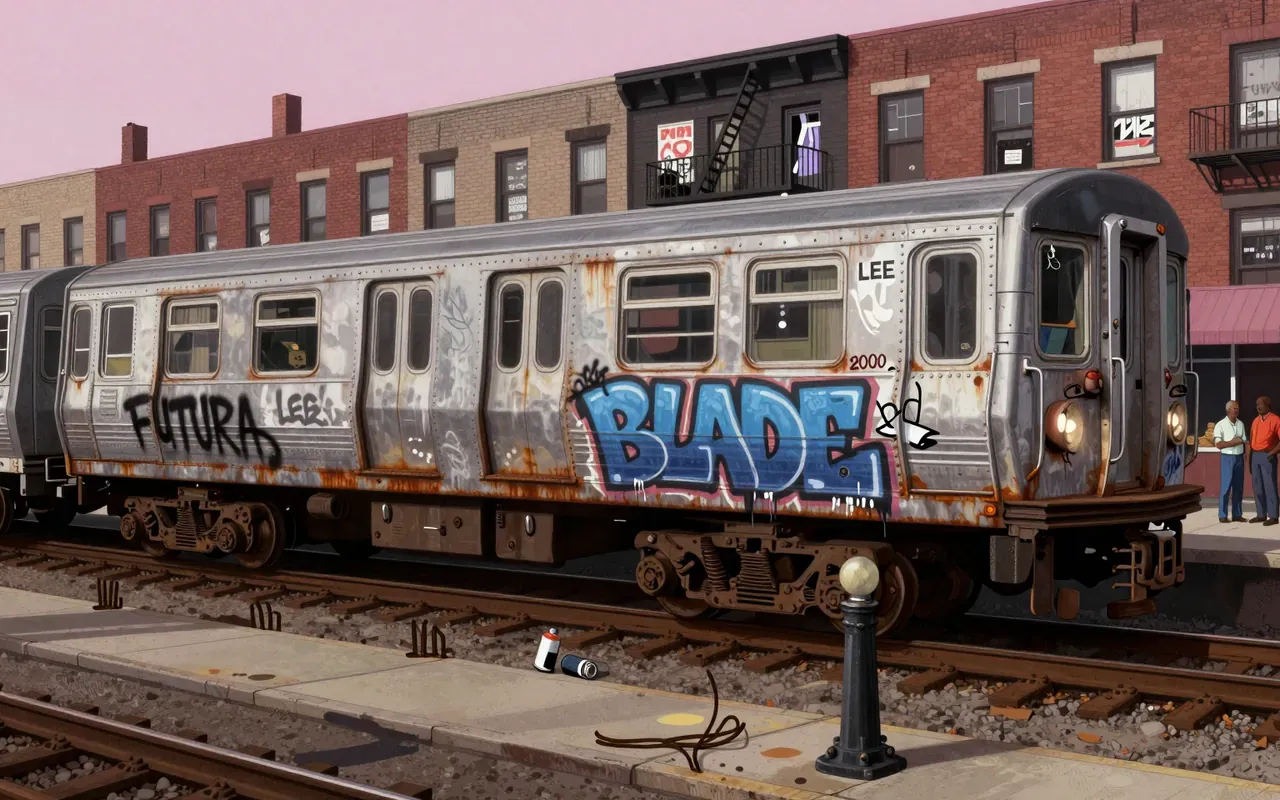
Graffiti

Graffiti isn’t street art—it’s illegal text, and that distinction still defines who controls the city.
9:18

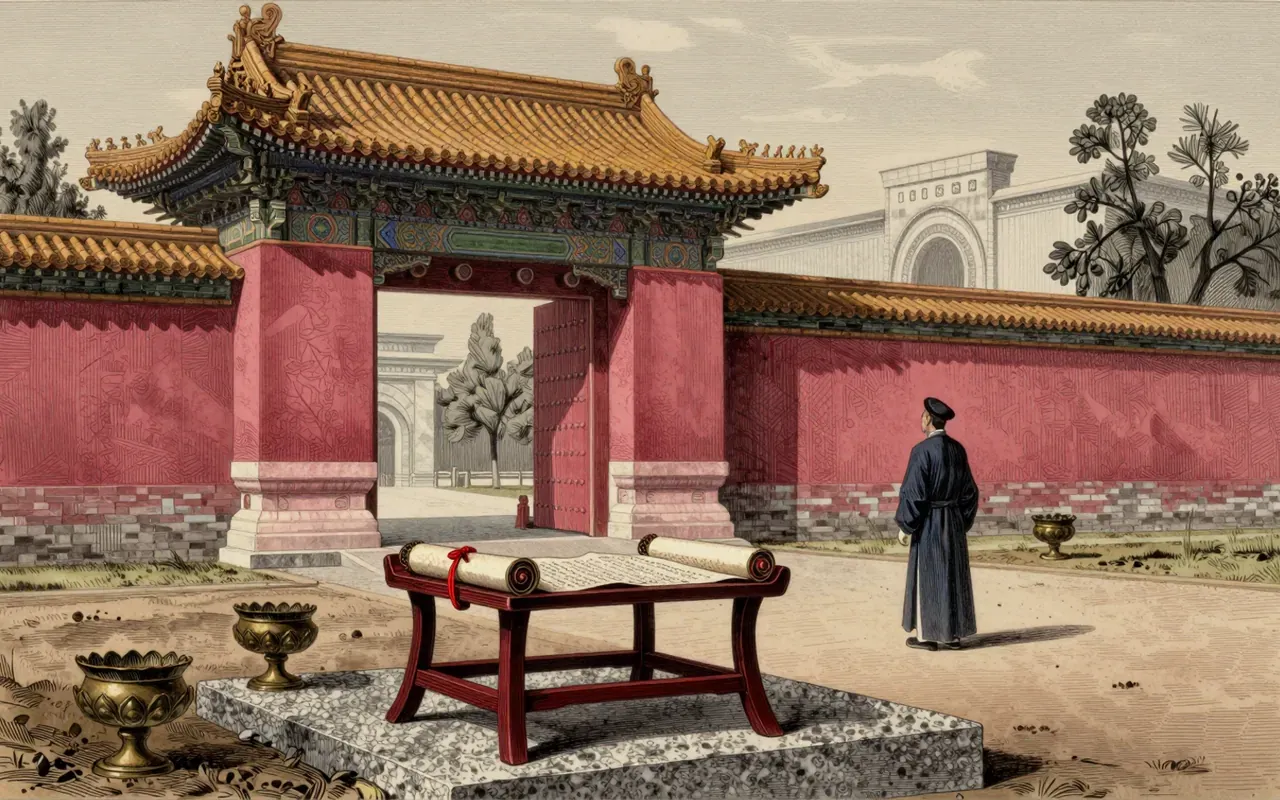
Peking University

China’s first national university opened with 160 students — and never taught a single class under its original reformist mandate.
9:18

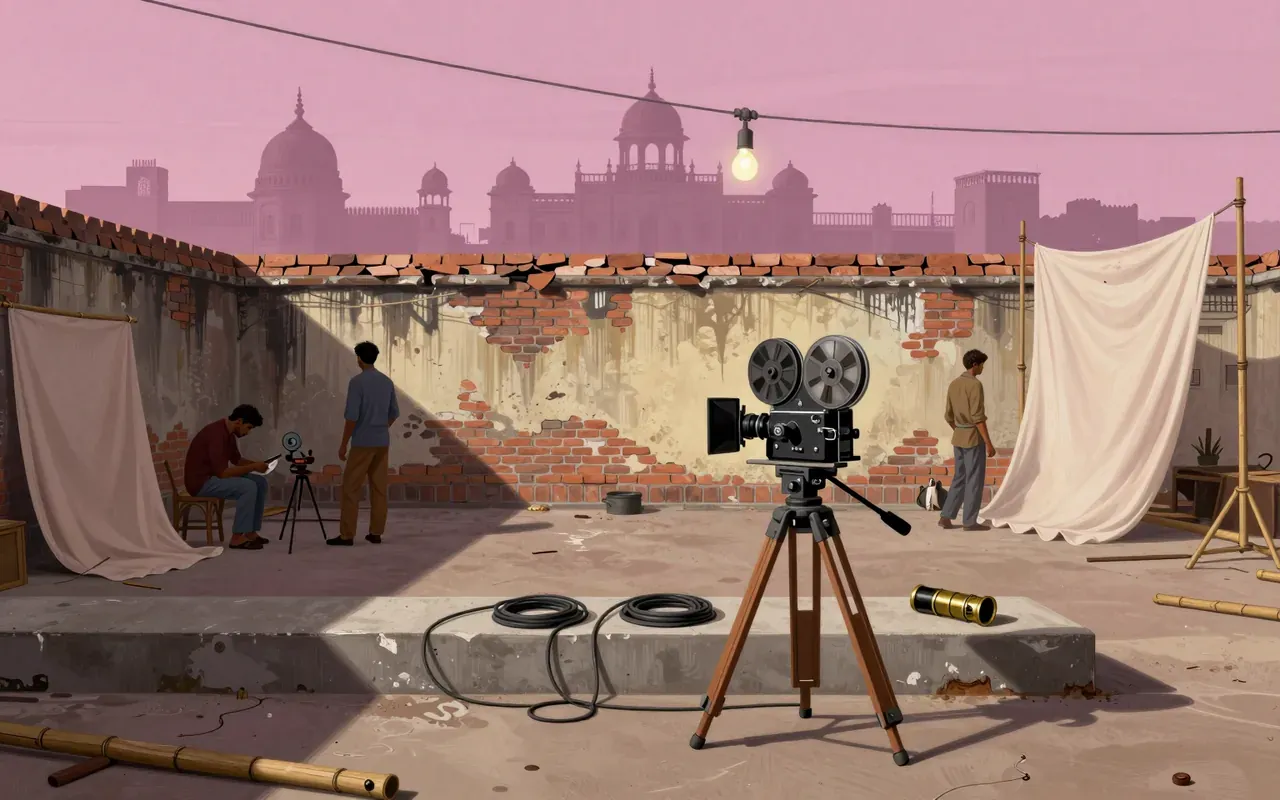
Hindi cinema

Hindi cinema didn’t just add songs to stories—it rebuilt storytelling around music, then exported that logic worldwide.
9:18

Rocker (subculture)

Rocker culture wasn’t about bikes or music—it was about using speed and leather to draw a line no pub, dance hall or newspaper would cross.
9:18

Digital detox

A digital detox is not liberation—it’s triage for attention under siege.
9:18

Eternal September

The internet didn’t break in 2008 or 2016—it broke in September 1993, and we named it on the spot.
9:18

Studio system

Hollywood didn’t make movies—it ran factories, signed indentures, and booked films in bundles until the courts broke it up.
9:18

Fauvism

Fauvism wasn’t about feeling—it was about forcing the eye to move like a car on a coastal road.
9:17

Barbie

Barbie didn’t give girls choices—it gave them costumes for adulthood, and sold the wardrobe first.
9:17

Semiotics

Semiotics didn’t invent the study of signs—it renamed and rebranded a 300-year-old inquiry.
9:17

Osamu Tezuka

Tezuka didn’t invent manga—he weaponised it as cinema on paper, then taught others how to do the same.
9:16

Coworking

Coworking promised community but delivered real estate with Wi-Fi—and that’s still its most honest function.
9:16

Web 2.0

Web 2.0 didn’t democratise the web—it rebranded extraction as participation.
9:16

Usenet

Usenet was never for the public — it was for the people who kept the machines running.
9:16

Confucius

Confucius didn’t invent virtue—he weaponised ancestry, enforced hierarchy, and called it harmony.
9:16

Dada

Dada wasn’t art—it was a refusal signed in nonsense and stamped with a cabaret ticket.
9:15

Moral relativism

Moral relativism isn’t about abandoning ethics—it’s about refusing to mistake cultural variation for moral chaos.
9:15

Tragedy of the commons

Hardin’s 1968 essay didn’t discover a truth — it weaponised a pastoral metaphor to justify control.
9:14

Indigo dye

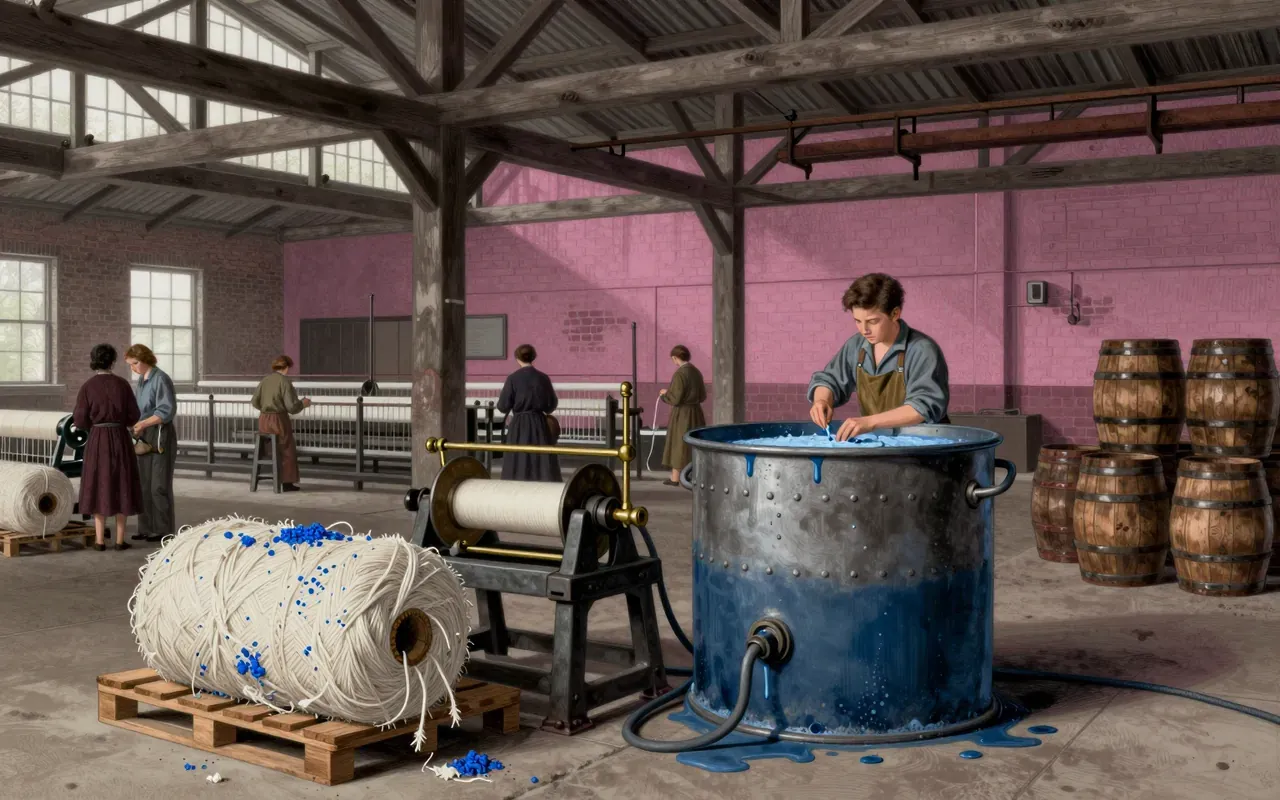
Indigo is not a colour—it’s a chemical contract between cotton, commerce and compromise.
9:14

Library

Libraries are not neutral archives—they are instruments of control disguised as access.
9:14

The Buddha

He didn’t promise salvation. He offered a repair manual for attention—and it still works.
9:14

Grandmaster Flash

Grandmaster Flash didn’t make records—he made rhythm machines out of turntables.
9:14

Ntozake Shange

Shange didn’t write plays — she built anti-colonial syntax with bodies, rhythm, and refusal.
9:14

Turner Prize

A prize that rewards artists for work no one sees—then makes them famous for work no one judges.
9:13

Metropolitan Museum of Art

A museum founded not by royal decree or state mandate—but by New York businessmen with a charter, a cause, and a townhouse.
9:12

Zine

Zines are not nostalgia—they’re refusal made physical.
9:12

Simulacrum

Simulacra aren’t copies gone wrong—they’re signs that have stopped pretending to refer.
9:12

Alexander McQueen

Alexander McQueen

Alexander McQueen was a British fashion designer active from 1992 to 2010. He trained in Savile Row tailoring after leaving school at 16 with one O-level in art. His MA graduation collection at Central Saint Martins attracted patron Isabella Blow. He became known for the 'bumster' trousers and for combining historicism, autobiography and performance art in runway shows—including robotic spray-painting (Spring/Summer 1999) and a holographic Kate Moss (Autumn/Winter 2006). His work explored romanticism, sexuality and death.
9:11

Tech bro

It started as a joke about Patagonia vests—and became a weapon against power. But it’s lost its aim.
9:11

University of Cambridge

Cambridge wasn’t born from enlightenment—it was chartered to keep scholars out of jail and landlords out of their pockets.
9:11

Book collecting

Book collecting is not about love of books—it’s about control over what counts as knowledge.
9:10

Free party

Free parties weren’t just parties—they were jurisdictional strikes.
9:10

Stoicism

Stoicism isn’t about emotional control—it’s about binding ethics to cosmic reason, and it fails when that cosmos vanishes.
9:10

Al-Ghazali

A scholar who quit the most prestigious chair in Islam to ask whether he believed a word of it.
9:10

Cinema of Hong Kong

Hong Kong cinema didn’t need subsidies, quotas or ideology—it exported identity by treating film as factory work.
9:10

New Hollywood

New Hollywood didn’t reinvent cinema — it re-routed authority from studios to directors, and turned realism into a grammar.
9:09

Hardcore punk

Hardcore didn’t evolve punk—it incinerated its middle distance and rebuilt from ash.
9:09

Frantz Fanon

Fanon diagnosed colonialism as a mental illness — and prescribed revolution as therapy.
9:09

Manga

Manga isn’t Japanese comics—it’s a 12th-century art form that got renamed, repackaged, and rebranded three times before becoming a magazine industry.
9:08

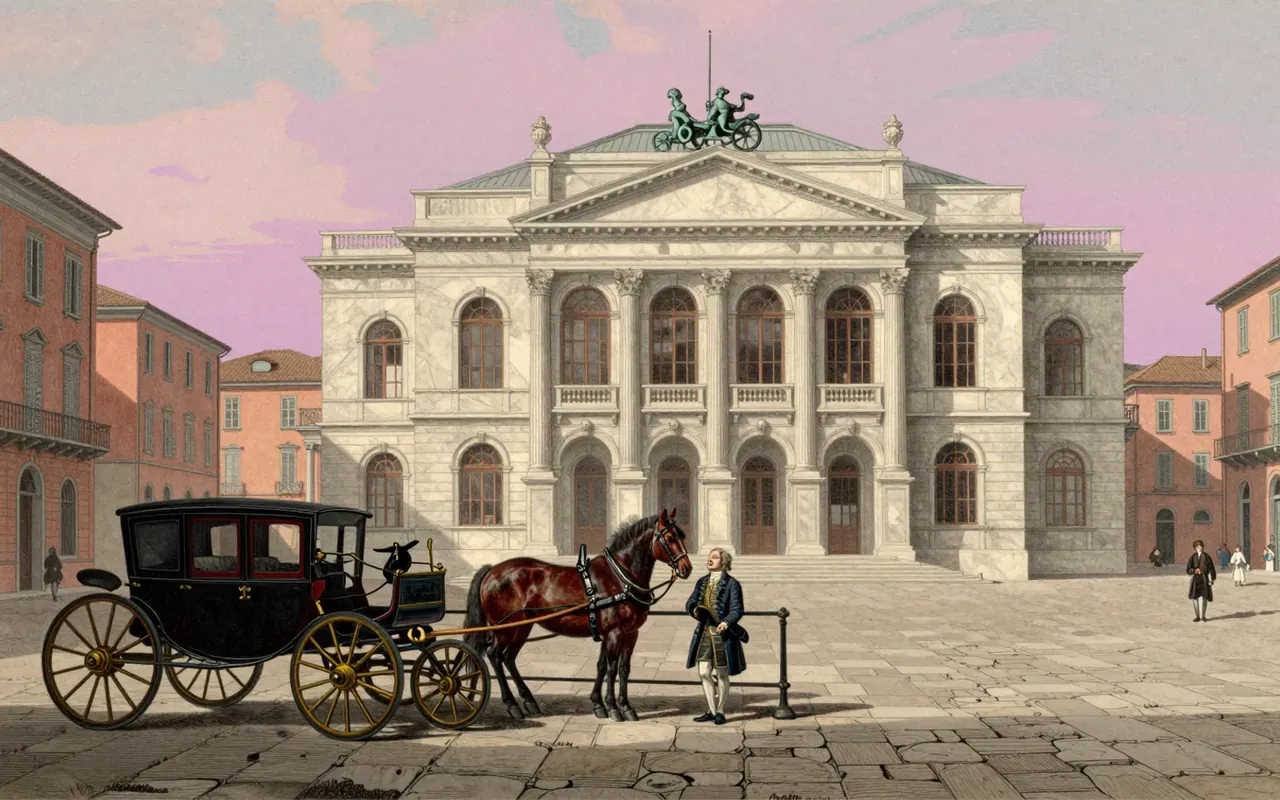
La Scala

La Scala was never about art for art’s sake—it was opera as municipal utility.
9:08

Social Darwinism

Social Darwinism isn’t Darwin’s. It’s Spencer’s — and it was never science.
9:08

Impressionism

Impressionism didn’t paint the world—it painted the act of seeing it.
9:07

Free will

Free will isn’t about freedom — it’s about who gets blamed.
9:07

Hedonism

Hedonism is not about indulgence—it’s the original reductionist theory of human nature, and it fails where people are most complex.
9:07

French New Wave

It wasn’t a wave—it was a manifesto written by critics who then picked up cameras.
9:06

Design culture

Design culture is an organizational culture that puts design at the front of every operation, from strategy to execution, to improve customer experiences.
9:06

The Factory

The Factory wasn’t a studio—it was a production line for fame, run by an artist who outsourced authorship and kept the copyright.
9:06

Rickrolling

Rickrolling wasn’t a joke—it was the first scalable exploit of hyperlink trust.
9:06

Yellow journalism

Yellow journalism wasn’t about lies—it was about selling papers by weaponising outrage, sympathy, and spectacle.
9:06

Communitarianism

Communitarianism names the gap between how we talk about belonging and how power actually works inside communities.
9:06

Merry Pranksters

They didn’t change America — they staged a perceptual intervention and called it a revolution.
9:06

Ai Weiwei

He didn’t make art to provoke—he compiled names until the state broke his skull.
9:06

University of Tokyo

Japan’s first modern university wasn’t built—it was renamed, rechartered, and retrofitted from shogunal schools.
9:06

Emo

Emo didn’t soften hardcore—it split it open from the inside.
9:05

K-pop

K-pop began not as a genre but as a teenage rebellion disguised as dance music.
9:05

Monoprinting

Monoprinting isn’t about making prints—it’s about making *one* print that can’t be copied, even by its maker.
9:05

N. K. Jemisin

She didn’t just write new gods—she named the silence that let old racists run SFWA.
9:05

Nostalgia

Nostalgia wasn’t about the past—it was about soldiers dying from homesickness.
9:04

LGBTQ movements

LGBTQ movements did not begin at Stonewall. They began in Berlin in 1897—and have spent 127 years arguing over what 'equal rights' actually means.
9:04

Off-the-grid

Off-the-grid isn’t freedom—it’s a different kind of dependency.
9:04

Campaign advertising

Campaign advertising isn’t about democracy—it’s about control of attention, and the rules governing it are already broken.
9:04

Cultural relativism

Cultural relativism is not moral permission—it’s a method for stopping anthropologists from mistaking their upbringing for universal truth.
9:04

Post-structuralism

Post-structuralism doesn’t free meaning—it relocates authority from the author to the interpreter, without naming who gets to interpret.
9:04

Frankfurt School

Critical theory was never neutral. It was a weapon forged in exile against fascism, capitalism, and dogma—and it still cuts.
9:04

Bolshoi Theatre

A theatre built by imperial licence, rebuilt by imperial architect, renovated to erase Soviet sound—this is state culture as infrastructure, not expression.
9:04

Publishing

Publishing isn’t about books—it’s about who decides what the public sees, hears, and reads.
9:03

Content creation

Content creation is not democratic—it’s a hierarchy disguised as participation.
9:03

Forum (Roman)

The Roman forum wasn’t democratic—it was mandatory infrastructure for control.
9:02

The Overton window

The Overton window is the range of subjects and arguments the mainstream accepts politically at a given time, and it can shift, shrink or expand.
9:02

Accelerationism

Accelerationism doesn’t oppose capitalism—it hijacks it. That’s its strength and its fatal flaw.
9:02

Anti-Apartheid Movement

A London meeting in 1959 forced South Africa out of the Commonwealth — before Nelson Mandela was even arrested.
9:02

LemonGrass

A children’s pop group built not from fandom or street culture — but from 900 auditions, one TV show, and iTunes data.
9:02

Cultural icon

‘Cultural icon’ is not a badge of honour — it’s a battlefield.
9:02

Nightlife

Nightlife isn’t freedom after dark—it’s a regulated, adult-only zone where light, class, and law meet.
9:01

Cubism

Cubism didn’t show reality—it showed how hard it is to agree on what reality is.