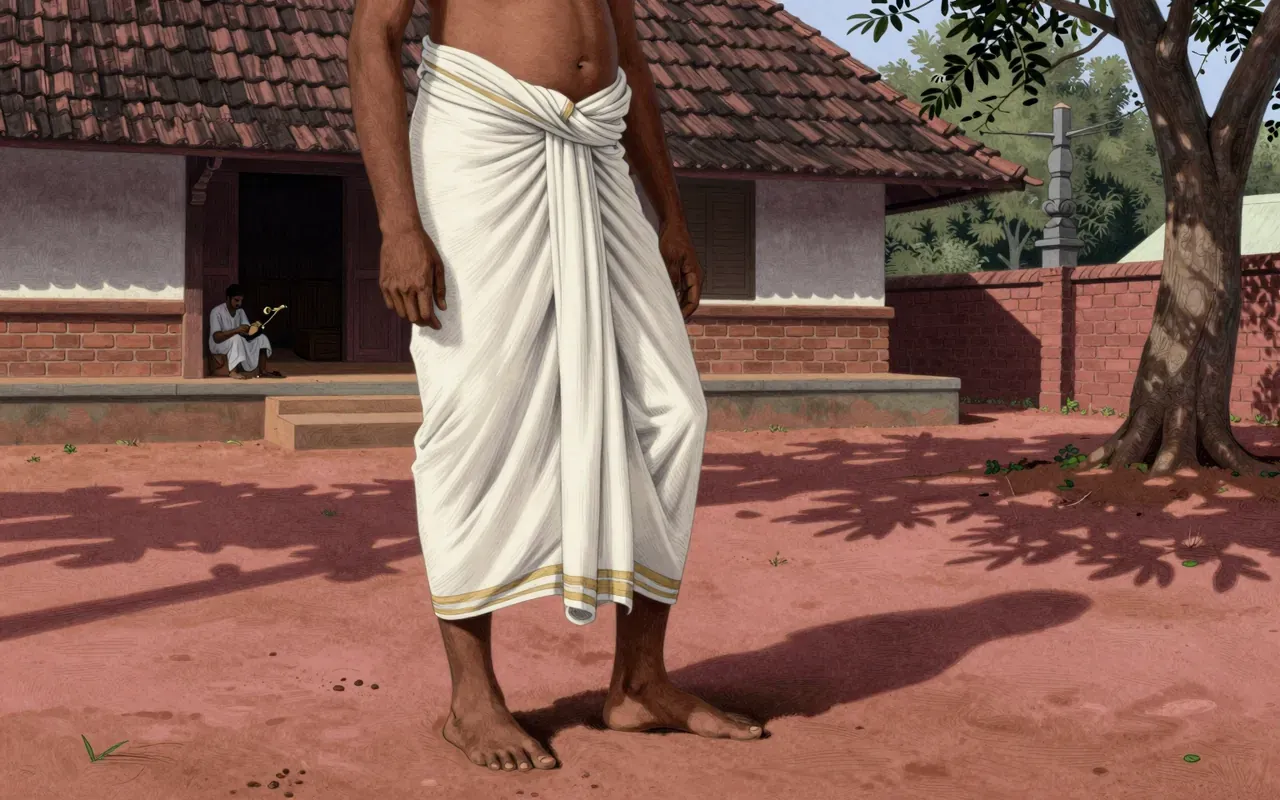
Dhoti
The dhoti isn’t draped—it’s looped. And that loop defines its purpose, its place, and why most people wearing 'dhotis' today aren’t wearing one at all.
Cloth, and the labour behind every metre.
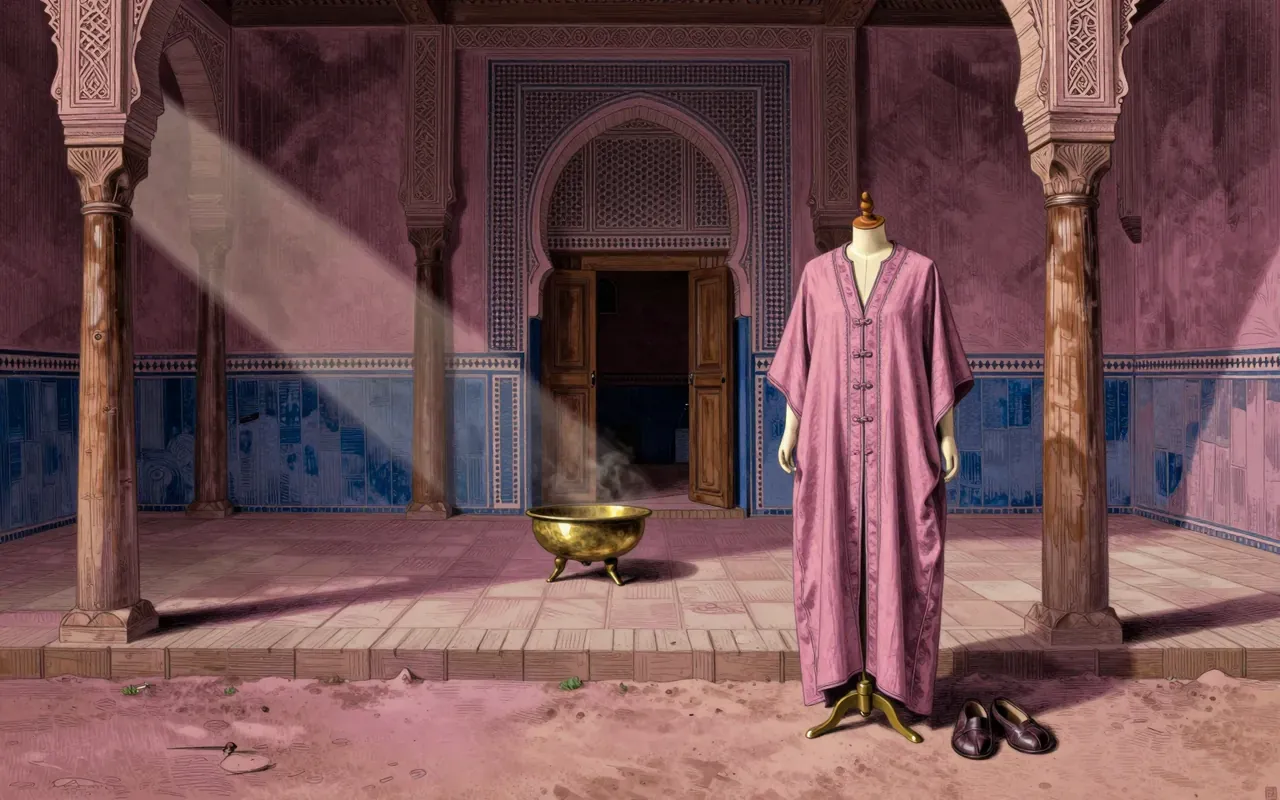

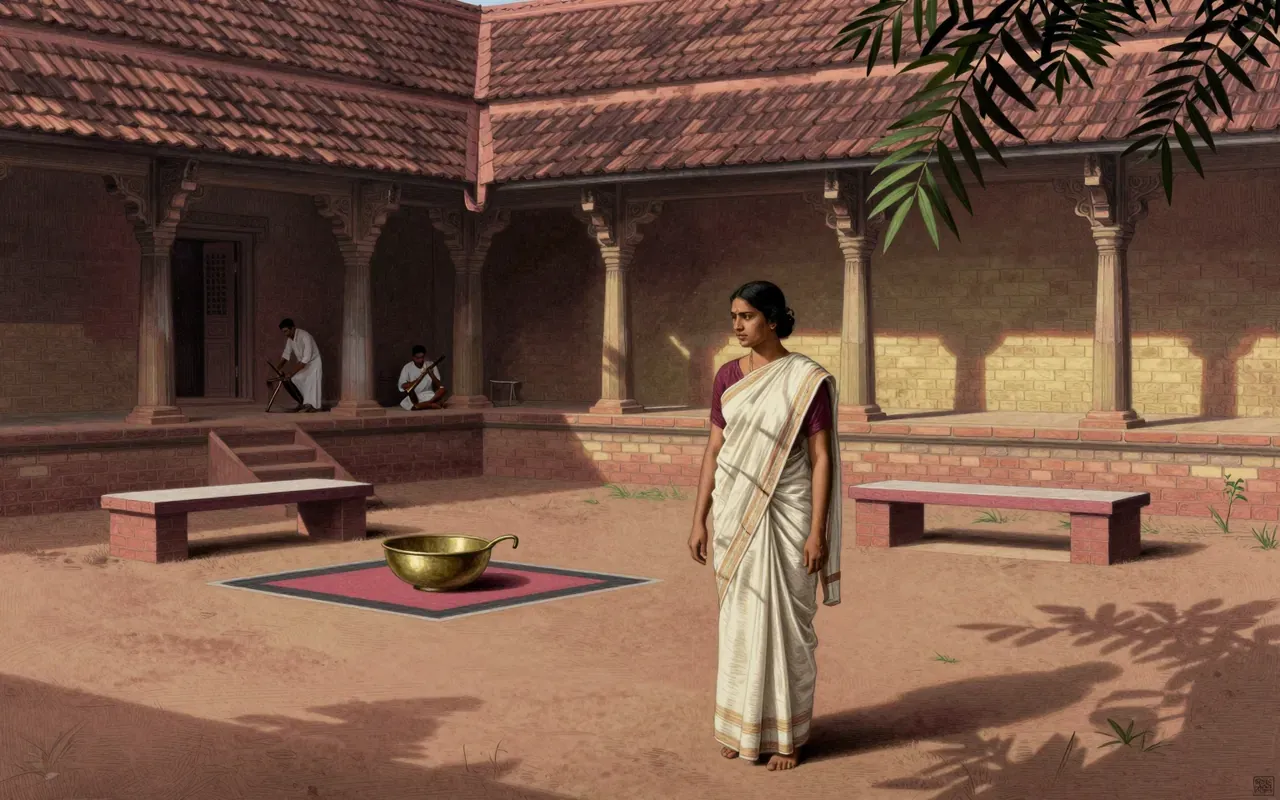
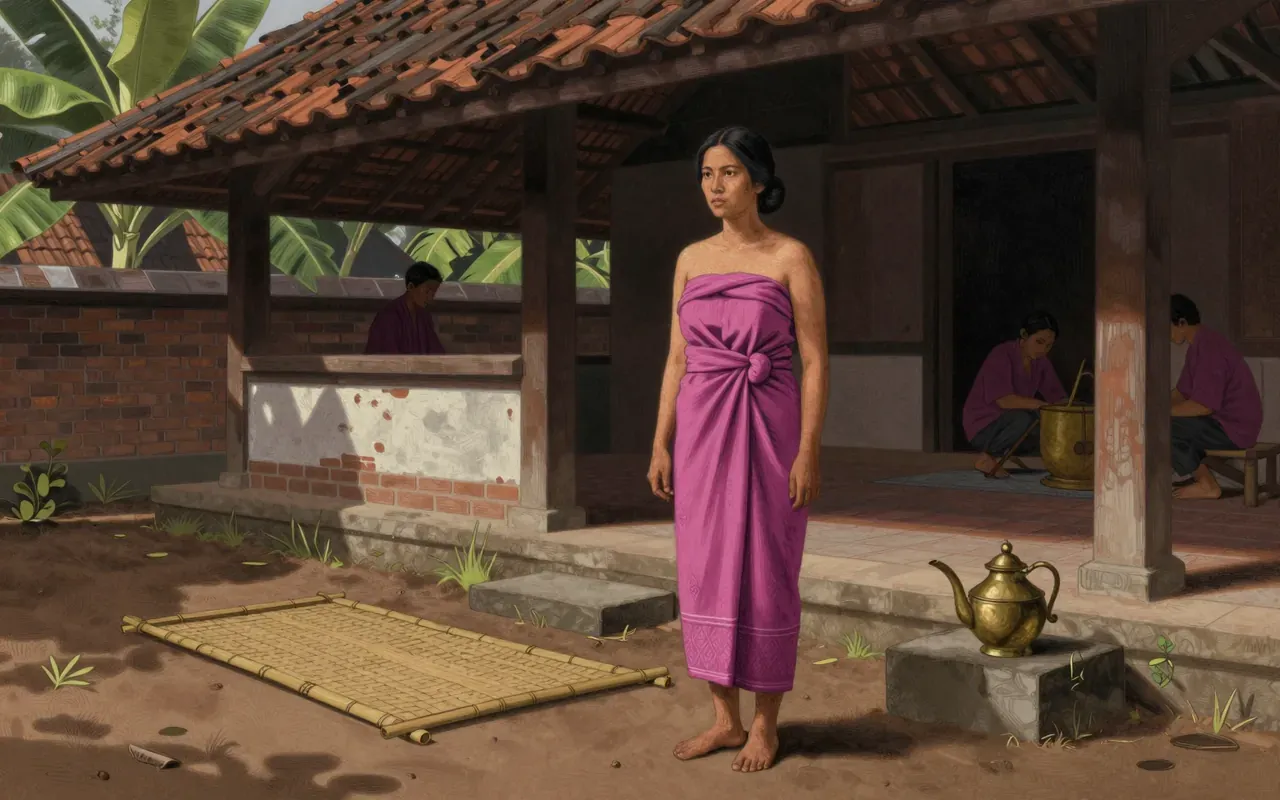

Aquascutum was a London tailoring house founded in 1851 by John Emary. It patented waterproof wool in 1853 and supplied coats to British military officers from the Crimean War onward. Its garments supported suffragettes in 1900 and Edmund Hillary on Everest in 1953. It staged its first London Fashion Week runway in 2005. It entered bankruptcy administration in 2012 and again in 2020, following multiple ownership changes.

Kenzō Takada’s Kenzō label began in 1970 as a resource-constrained experiment in Paris—using flea-market space, Saint Pierre market fabrics, and Rousseau-inspired interiors. It re-energised ready-to-wear with colour and volume, launching the 'Big Look' in 1973–74. Its methods were specific, local, and materially grounded—not symbolic or national. It reached New York and Tokyo by 1971, but never claimed to represent Japan. Its legacy is procedural: how to build influence without infrastructure.
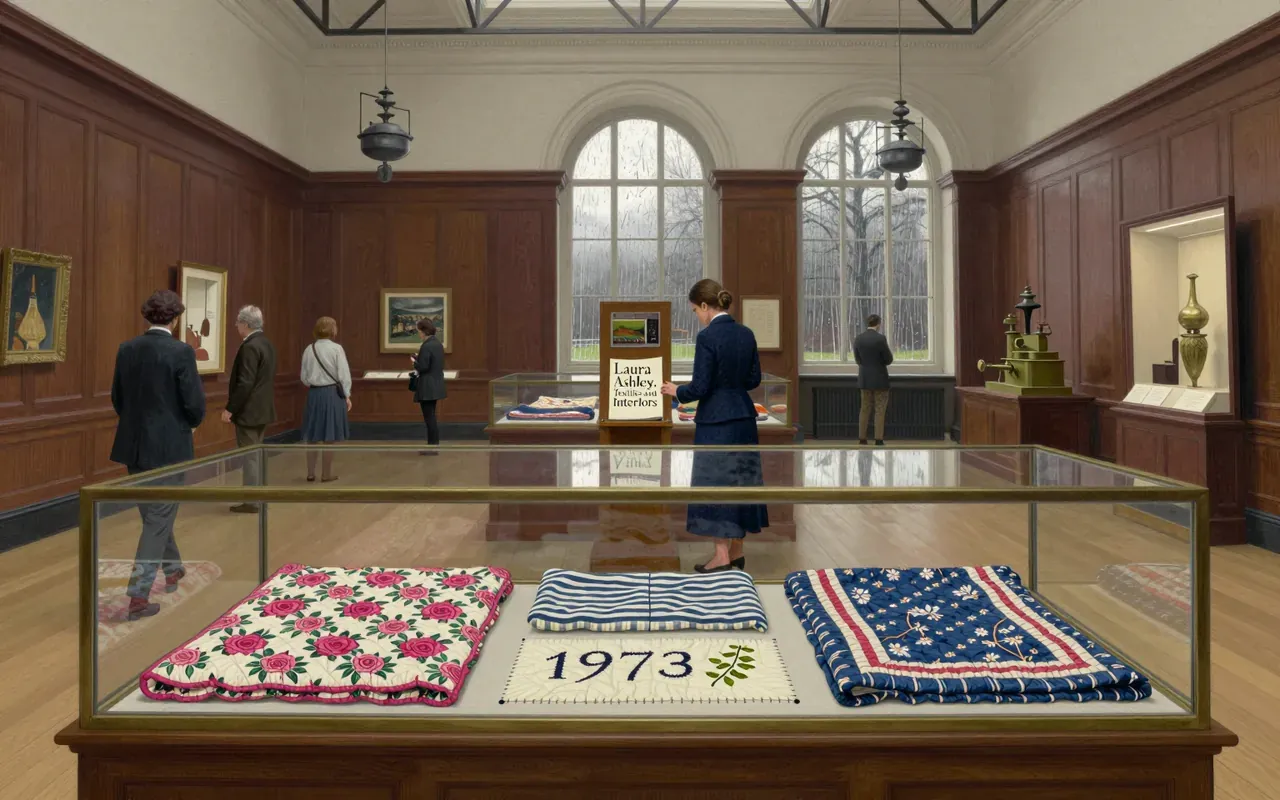
Laura Ashley built a fashion empire not from runway ambition, but from noticing a missing patch. Her method was craft-based, low-capital, and rooted in specific institutions—the Women’s Institute, the V&A—and a precise historical reference: the 19th-century rural. She sold Romanticism as reliability. She reached middle-class British women who wanted gentility without grandeur. She did not invent nostalgia—but she standardised it, scaled it, and shipped it via mail order before it had a name.

Marimekko is a Finnish textile and apparel company founded in Helsinki in 1951 by Viljo and Armi Ratia. It commissions artists to design bold graphic prints, then uses those prints in simple garments and home furnishings. Its early recognition at the 1957 Milan Triennale affirmed fashion as industrial art. Key outputs include the 1956 Jokapoika shirt and the 1964 Unikko pattern. It made important contributions to 1960s fashion through brightly coloured, simply styled products.



Balenciaga is not a brand. It is a method. A resistance. A recalibration of the female form between 1917 and 1959 — anchored in Spain, executed in Paris, and defined by what it refused as much as what it built.
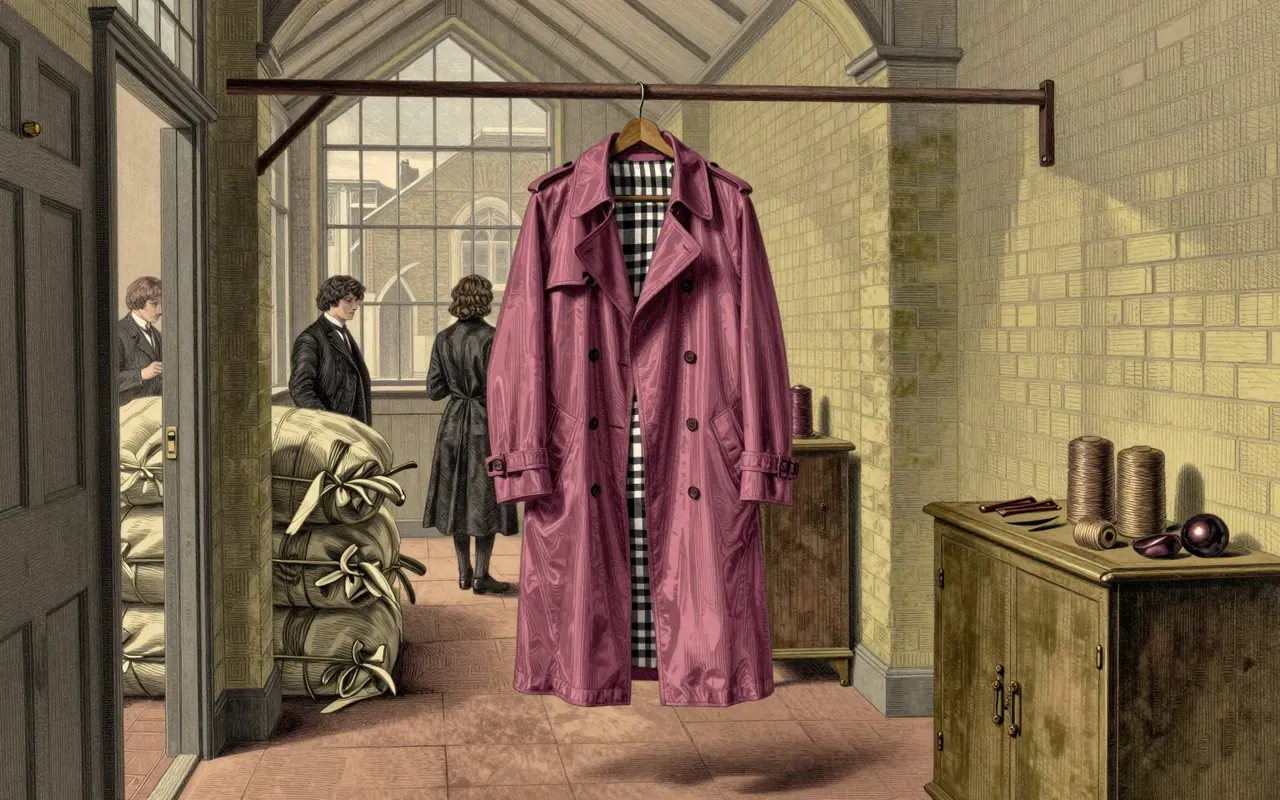
Burberry is a system of material problem-solving disguised as a luxury brand. Its power lies in what it made possible—not what it declared.
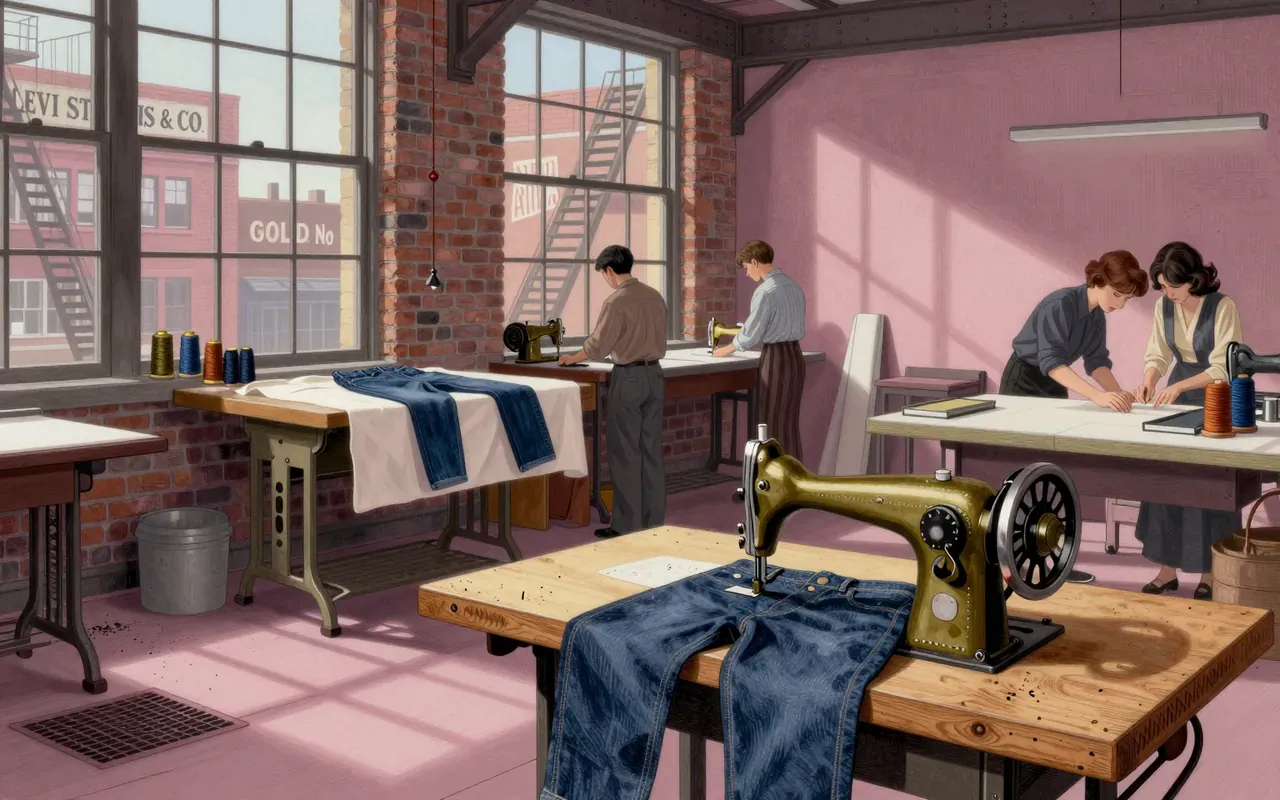

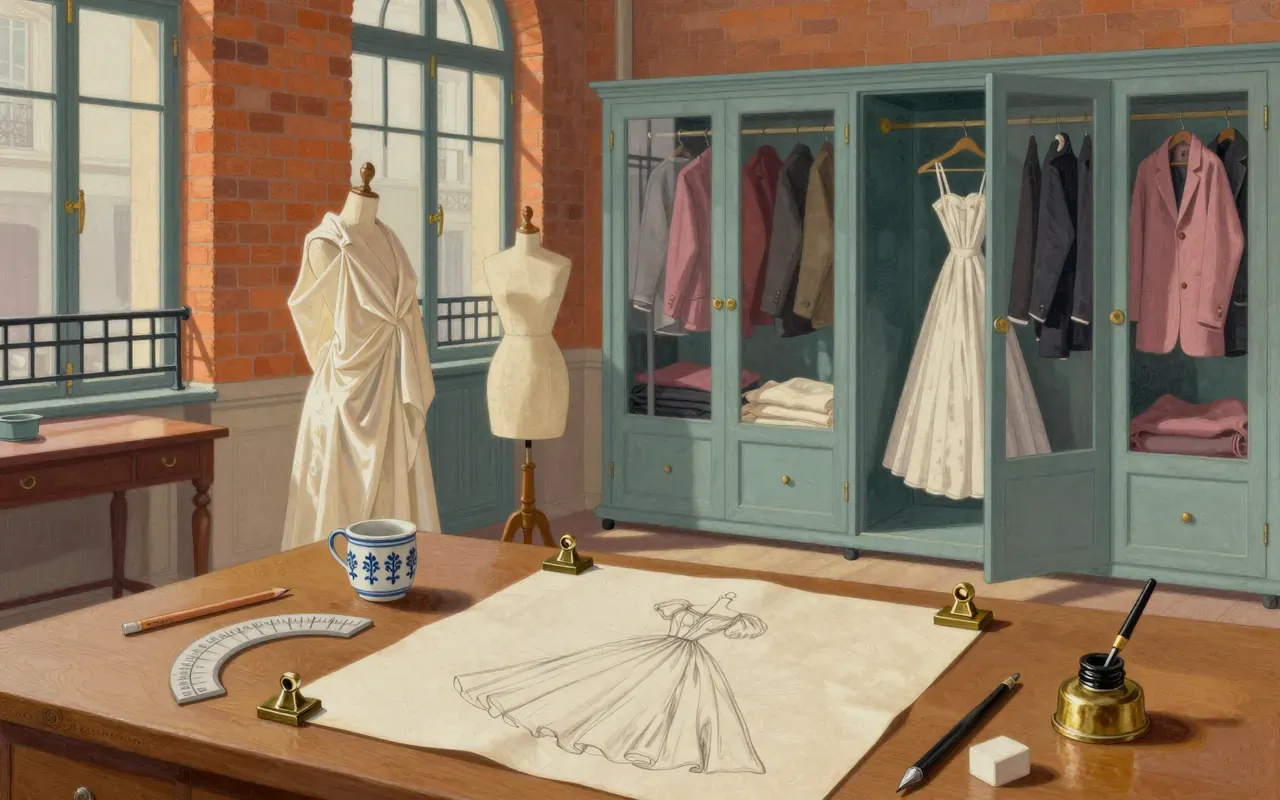
Givenchy’s 1952 launch was a system—not a style. It used raw cotton to make separates scalable, named garments after real women, and built ready-to-wear infrastructure before the term existed. Its later fame with Hepburn is real, but retrospective. The founding act was quieter: pragmatic, precise, and materially inventive.

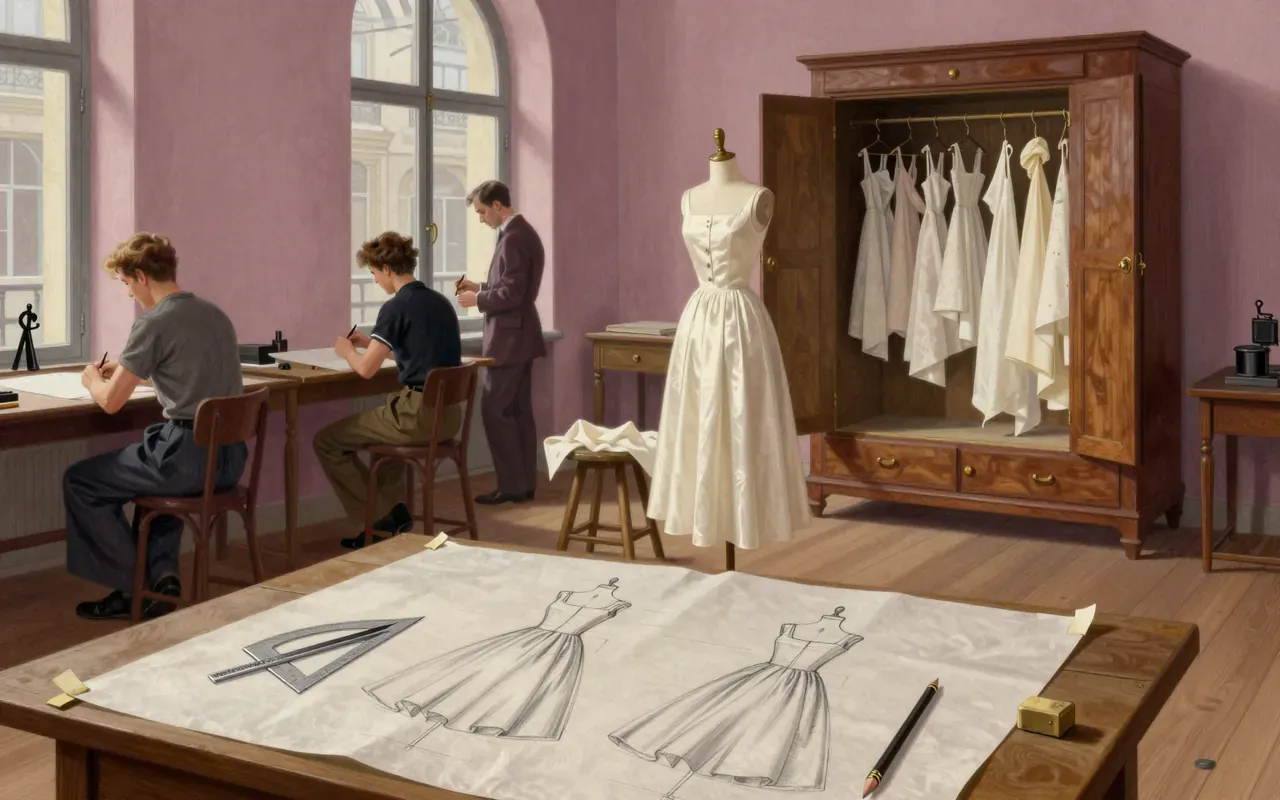
Yves Saint Laurent’s early work at Dior was not about rebellion — it was about redistribution: of weight, of emphasis, of authority. His 'Trapeze' line moved fashion’s centre of gravity from the waist to the shoulder line. It reached young, affluent women who found Dior’s formality alienating. It displaced the New Look’s rigour without replacing it with theory — only geometry. Its influence is visible in every modern shift dress. But it did not invent youth culture in fashion — it responded to it.