What the thing is
Neapolitan pizza is a legally defined food product. Not a style or tradition—but a geographically bound, procedurally rigid specification governed by the AVPN and EU TSG.
Where it came from
It came from Naples. Specifically, the city’s historic pizzeria culture, formalised into enforceable standards by the Associazione Verace Pizza Napoletana (AVPN) and later recognised under EU Traditional Speciality Guaranteed (TSG) status.
What it gets right
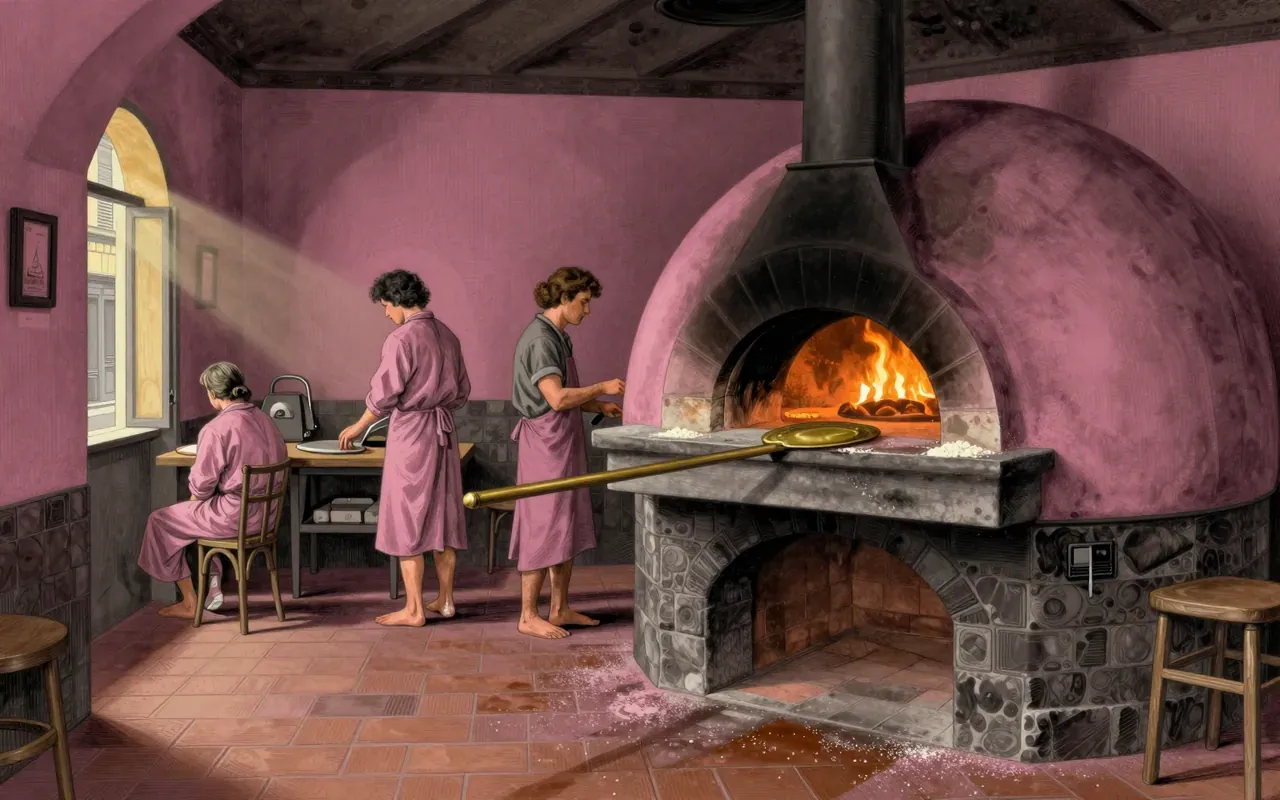
It enforces a tight link between ingredient origin, method, and geography. San Marzano tomatoes, mozzarella di bufala campana, Vesuvius-grown pomodorini, Agerola fior di latte—all named and location-anchored. The dough’s flour strength, yeast type, hand-forming, and 485°C wood-fired bake are all specified to preserve sensory and cultural continuity.
What it gets wrong
It treats Naples as a monolith. The rules exclude non-buffalo mozzarella made elsewhere in Campania, ignore variations in local oven design or fuel sourcing, and codify one moment of practice as the only legitimate version—flattening centuries of adaptation within the city itself.
Why it matters now
Because it is a rare case where food regulation defends terroir against global franchising—not by invoking nostalgia, but by binding ingredients, method, and place in enforceable terms. It tests whether legal rigour can protect craft without freezing it.
Is it worth your time
Yes—if you care how food rules encode place, labour, and resistance to standardisation.