culturebriefs
9:29in productionCh. 1 · A distinct style/ 9:29 · ceiling 15 min
Food · Cities

Indian Chinese cuisine

Indian Chinese cuisine is not fusion for novelty—it’s survival, recalibrated for the wok and the spice rack.

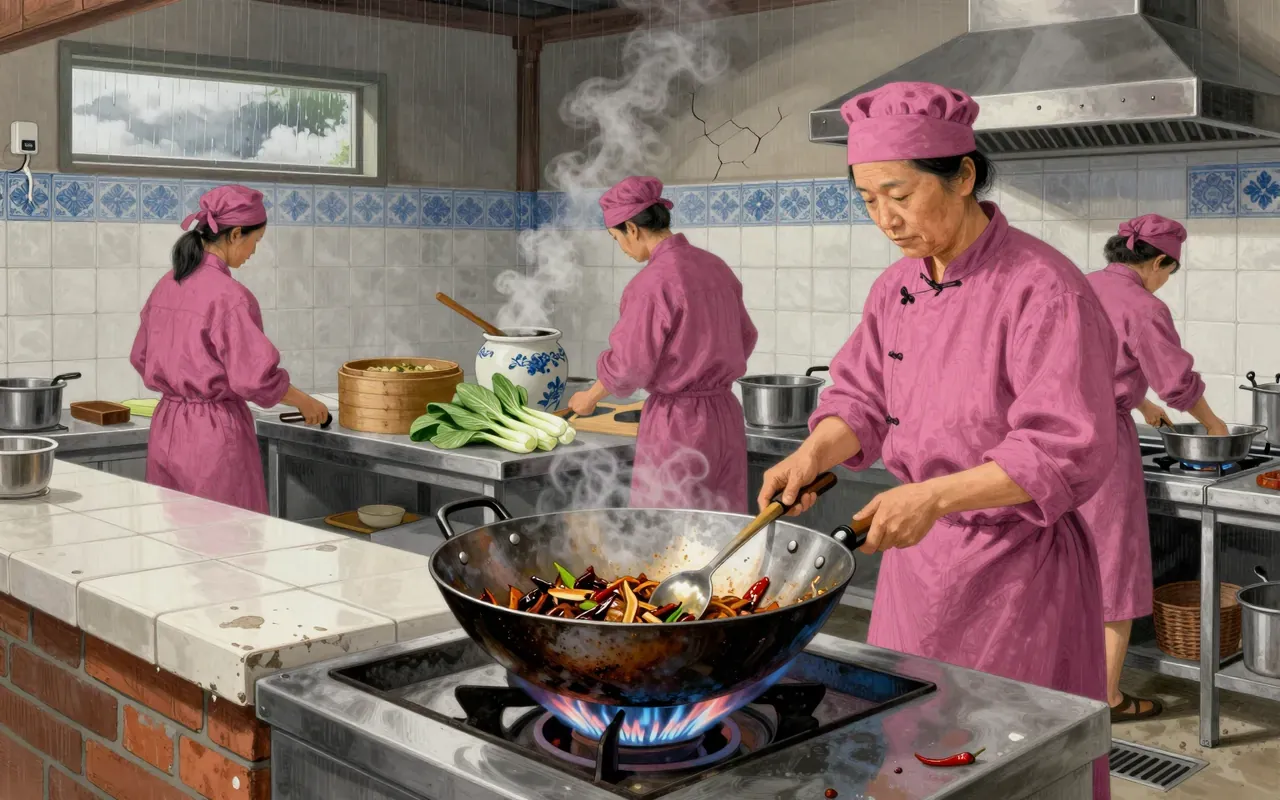
Indian Chinese cuisine is a distinct style of Chinese cuisine adapted to Indian tastes and spices.

Chapters & takeaways4
  1. 1:06
    A distinct style

    It is not Indian food with Chinese ingredients—or Chinese food with Indian garnishes. It is a third thing, built on adaptation, not addition.

  2. 2:27
    Calcutta, 1778–1858

    Kolkata was the capital under the East India Company—and the first major node where Cantonese cooks remade their craft for Indian customers.

  3. 3:57
    Who cooked it

    Cantonese immigrants fled famine and conflict—and found opportunity not in factories or docks, but in kitchens run by wives.

  4. 5:18
    How it sold

    Heavier sauce. More oil. Bolder spice. Not compromise—commercial recalibration.

Worth your time?

Yes. Study the whole thing.

4.5/ 5
What works
  • as a commercial system
  • as a cultural bridge
  • as a durable vernacular cuisine
What does not
  • fusion for novelty
Study it if
  • Indian eaters
  • Chinese migrants
  • urban Indian families
Skip it if
  • gourmet diners seeking authenticity
  • historians of pre-colonial Asian trade
The written brief1 min read

What the thing is

Indian Chinese cuisine is a distinct style of Chinese cuisine adapted to Indian tastes and spices.

Where it came from

It originated with Cantonese and Hakka immigrants in British-ruled India, especially Calcutta/Kolkata, beginning as early as 1778 and intensifying during East India Company rule (1757–1858).

What it gets right

It treats spice as structural, not decorative. It uses wok heat and Indian pantry staples—cumin, turmeric, chilli—to build layered savouriness. It prioritises texture: crisp cabbage, springy noodles, chewy prawns.

What it gets wrong

It flattens regional Chinese culinary logic. Cantonese techniques are bent to serve Indian palates without reciprocal exchange. The cuisine assumes Indian taste as monolithic—and erases variation among Indian eaters.

Why it matters now

It reveals how colonial infrastructure enabled diasporic food innovation—and how that innovation outlived empire. It is still the dominant street and casual-dining language of Chinese food across India.

Is it worth your time

Yes—if you care about how migration, adaptation and commerce produce durable new food cultures. It is not a curiosity. It is a working system.

Same beat · Food4 of 210
Up next in Culture

Hardcore punk

1978 · 9:09

Hardcore didn’t evolve punk—it incinerated its middle distance and rebuilt from ash.

9:09