What the thing is
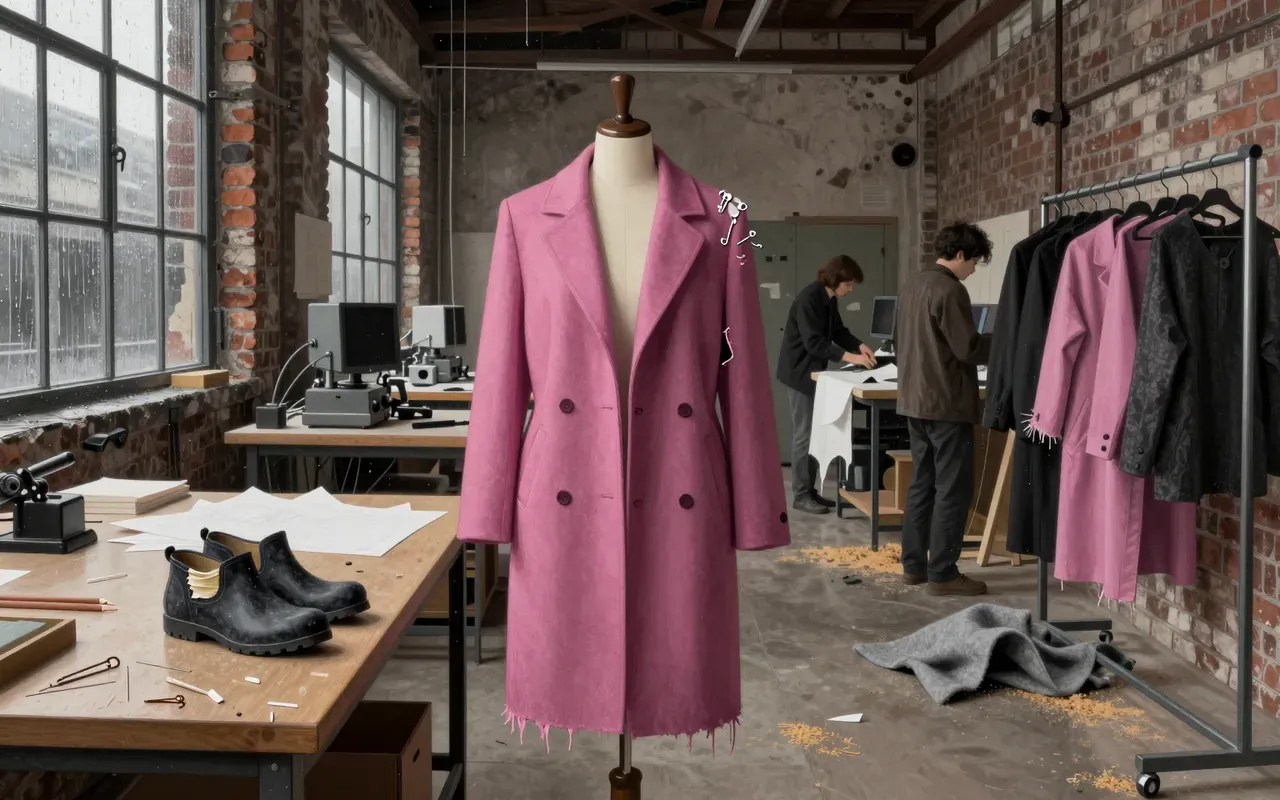
Martin Margiela is a fashion practice defined by erasure: of the designer’s face, of garment origins, of hierarchical presentation. It is a body of work that stages absence as method.
Where it came from
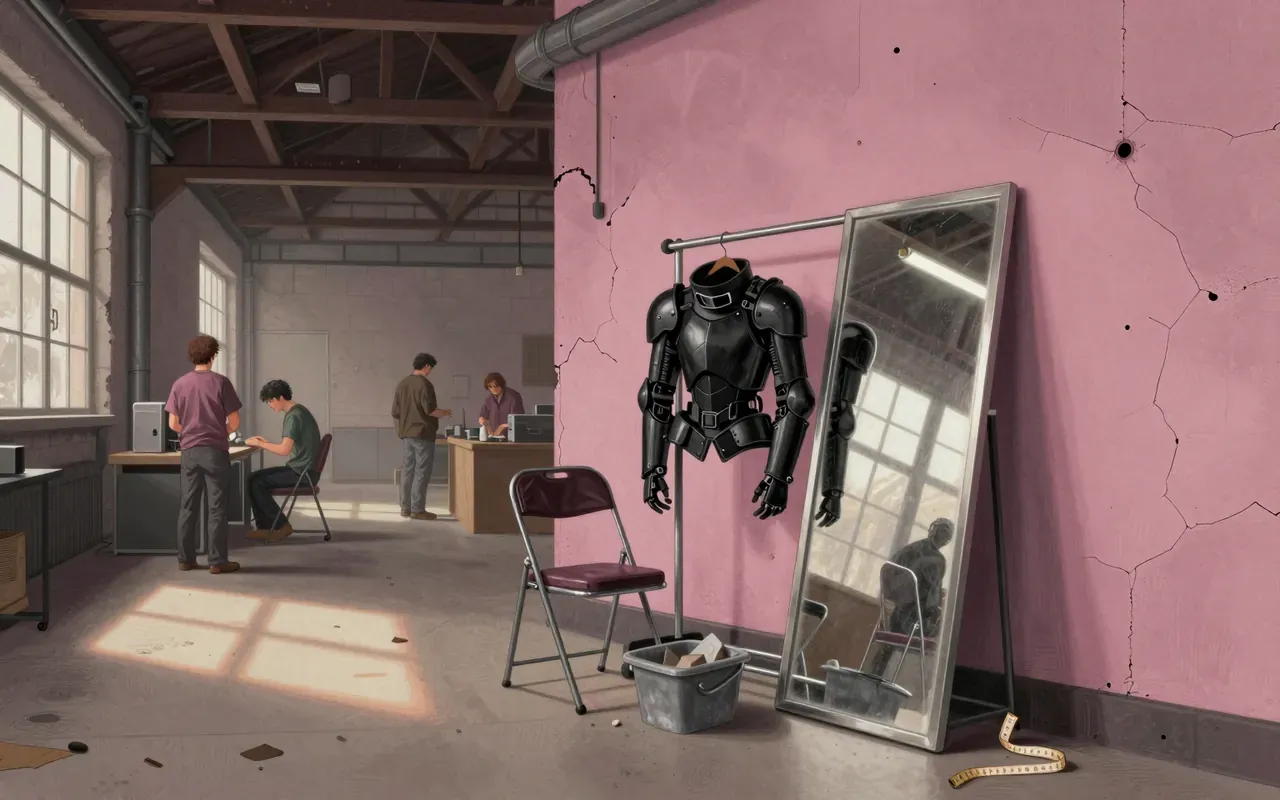
It came from Genk, Limburg, Belgium. It launched in Paris in 1989 with a show staged on a derelict playground in a North African neighbourhood on the outskirts of the city.
What it gets right
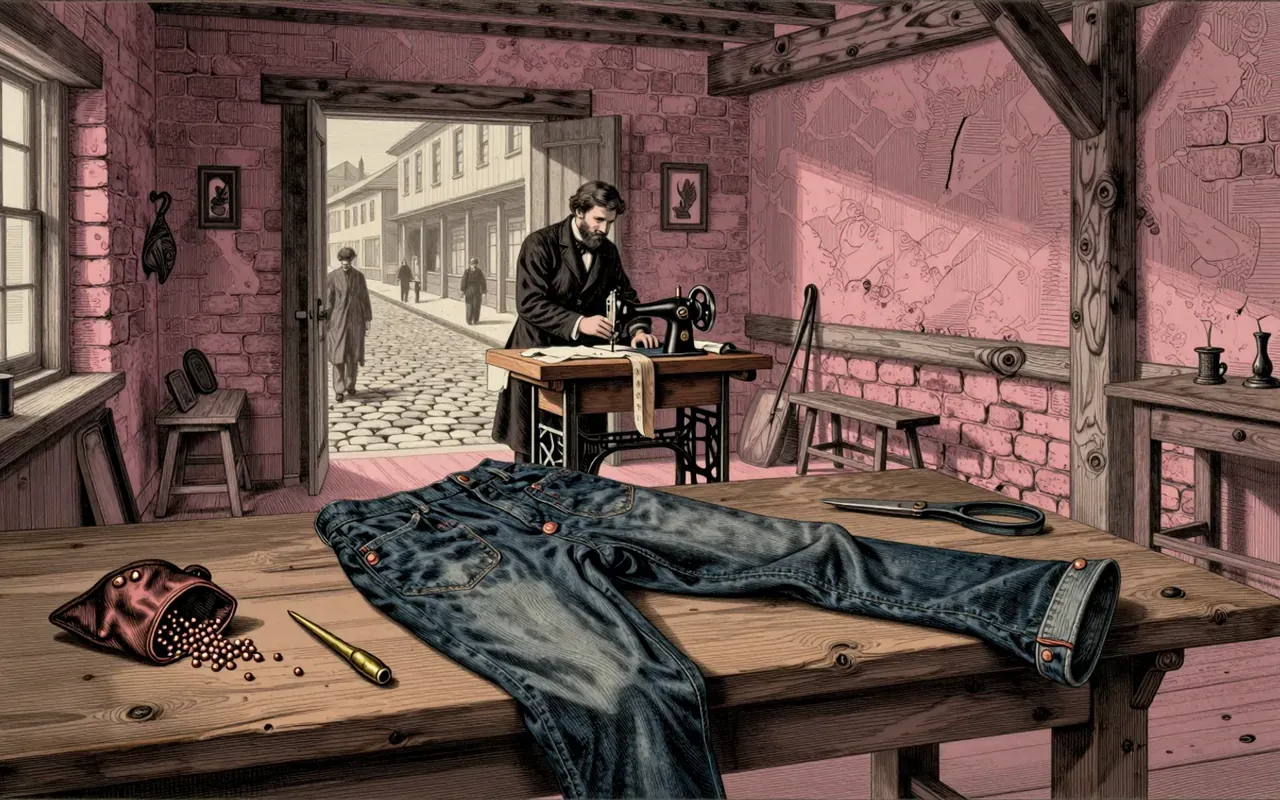
Margiela’s work refused celebrity culture before it was a critique. It treated clothing as archaeology: worn, repaired, reassembled. It centred community—not as backdrop but as co-author.
What it gets wrong
It assumed anonymity could be sustained within a system built on authorship and branding. The trademark—numbers on cloth—became a logo. The refusal to be seen became its own image.
Why it matters now
Because fashion has become louder, faster, more extractive—and Margiela’s insistence on slowness, repair, and local participation reads less like austerity and more like refusal.
Is it worth your time
Yes—if you care about fashion as a site of resistance, not spectacle.