8:18in productionCh. 1 · What it is/ 8:18 · ceiling 15 min
Fashion
Grunge (fashion)
1980
Grunge fashion wasn’t rebellion—it was the first time anti-fashion got trademarked.
Grunge fashion was an anti-fashion statement rooted in mid-1980s Seattle’s music scene. It used durable, thrift-store clothing worn loosely and androgynously—especially flannel shirts and Doc Martens—to reject 1980s flash. Kurt Cobain’s blend of lumberjack workwear and vintage feminine dresses helped define it. By the mid-1990s, it had been commodified globally—most notably by Marc Jacobs for Perry Ellis in 1993. Its legacy is not authenticity, but the speed with which resistance becomes product.
Grunge fashion is defined by its link to grunge music—and by wearing durable thrift-store clothes loosely and androgynously.
2:04
Where it came from
It began in mid-1980s Seattle, shaped by Kurt Cobain’s mix of masculine workwear and vintage feminine dresses from local thrift stores.
3:34
What it got right
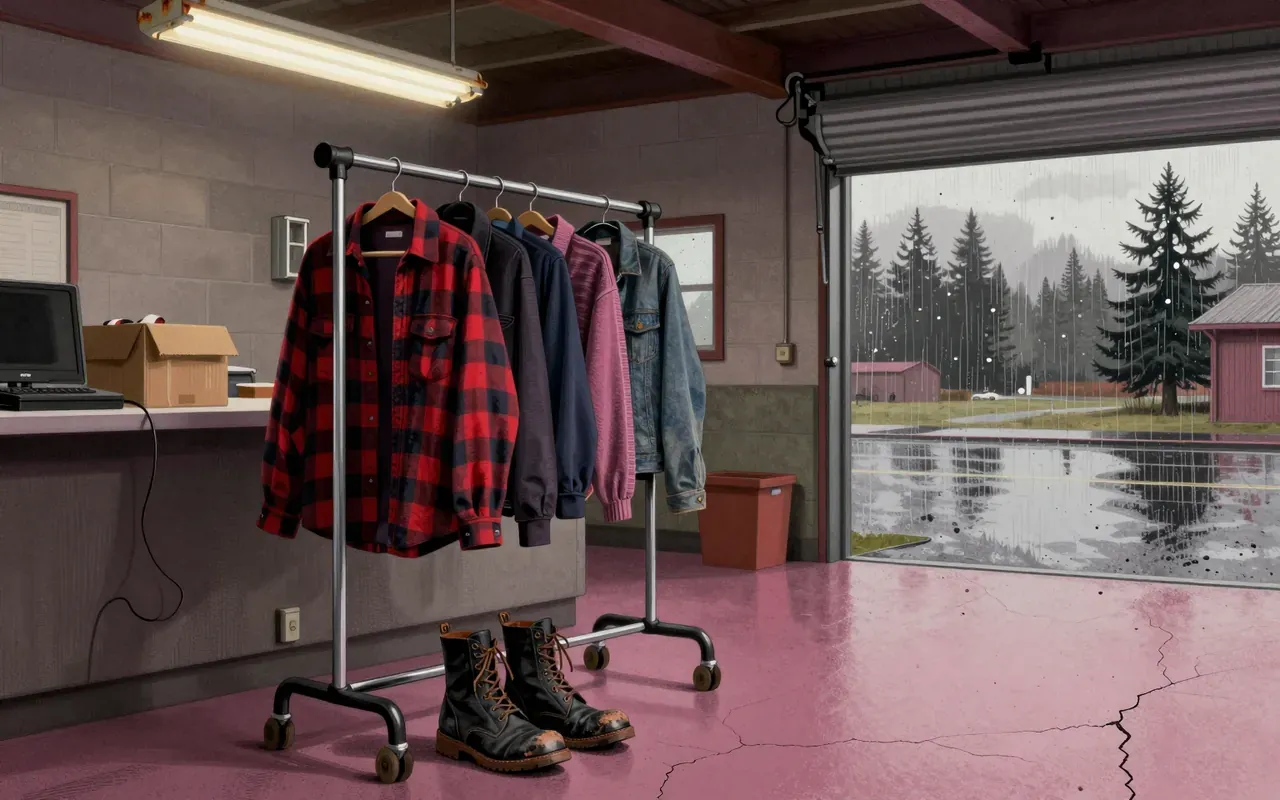
Flannel shirts and Doc Martens were anti-fashion statements—cheap, durable, timeless, and defiantly unflashy.
4:59
What it got wrong
By the mid-1990s, it had been stripped of local context and sold globally—as if authenticity could be licensed.
Worth your time?
Yes. Study the whole thing.
3.5/ 5
What works
as a case study in cultural appropriation
as evidence of how fast anti-commercial aesthetics get licensed
as a lens on 1990s gender fluidity in dress
What does not
influence
define
start
launch
Study it if
young people in Seattle
readers of 1990s fashion magazines
retail buyers
Skip it if
music fans outside the US
designers before 1993
people who never shopped second-hand
The written brief1 min read
What the thing is
Grunge fashion is durable, thrift-store clothing worn loosely and androgynously to de-emphasise the body’s silhouette. It is inseparable from the grunge music genre.
Where it came from
It emerged in mid-1980s Seattle as part of the grunge music subculture. Kurt Cobain’s gender-blending thrift-store style—lumberjack workwear and vintage feminine dresses—helped define it.
What it gets right
It rejected 1980s flash with durable, loose, androgynous clothing from Seattle thrift stores. It tied dress to musical authenticity—not image-making.
What it gets wrong
It displaced local subcultural specificity with mass-market simplification. The ‘grunge look’ erased regional variation, class nuance and the music’s raw sonic intent.
Why it matters now
It exposed the speed and violence of cultural extraction: a local, anti-commercial aesthetic was repackaged by Perry Ellis in 1993 and sold globally by the mid-1990s.
Is it worth your time
Yes—if you want to understand how anti-fashion becomes fashion, and why that pivot still shapes retail, gender norms and thrift economies today.