culturebriefs
8:02in productionCh. 1 · What it is/ 8:02 · ceiling 15 min
Food · Society

Fine dining

18

Fine dining isn’t about taste—it’s about who gets to sit at the table, and who polishes the silver.

Fine dining is a system of culinary prestige built on exclusionary conventions, aristocratic emulation, and material rigour. It emerged from Parisian bouillon shops and New York’s Delmonico’s. It delivers disciplined craft—but at the cost of accessibility, transparency, and cultural equity.

Chapters & takeaways4
  1. 0:54
    What it is

    Fine dining is defined by refinement across food, space, and service—not just flavour.

  2. 2:06
    Where it came from

    It arrived in the US via New York City—and in France, it was imitation, not innovation.

  3. 3:19
    What it gets right

    It prioritises seasonal ingredients and high-quality tools—material discipline over spectacle.

  4. 4:55
    What it gets wrong

    Its rules—dress codes, cost, decor—reinforce class distinction, not culinary progress.

Worth your time?

Yes. Study the whole thing.

3.5/ 5
What works
  • Delmonico's
What does not
  • iconic
  • groundbreaking
  • timeless
  • seminal
Study it if
  • people who study cultural hierarchy through consumption rituals
Skip it if
  • people seeking inclusive, affordable, or informal food experiences
The written brief1 min read

What the thing is

Fine dining is a high-end culinary experience defined by exceptional food quality, elegant ambiance, and attentive service.

Where it came from

It began in Paris in the 1780s from bouillon shops evolving into grand restaurants. The first fine dining restaurants in the United States operated in New York City, such as Delmonico’s.

What it gets right

It insists on craft, seasonality, and material integrity. It treats service as choreography and ingredients as non-negotiable.

What it gets wrong

It enforces exclusion through cost, dress codes, and unspoken aristocratic mimicry. It displaces everyday eating with performative scarcity.

Why it matters now

It remains a live index of cultural hierarchy—where sustainability claims coexist with rigid gatekeeping, and local sourcing serves elite taste, not community access.

Is it worth your time

Yes—if you care how power, class, and ritual are served on a plate. No—if you expect accessibility, transparency, or democratic pleasure.
Same beat · Food4 of 210
Up next in Culture

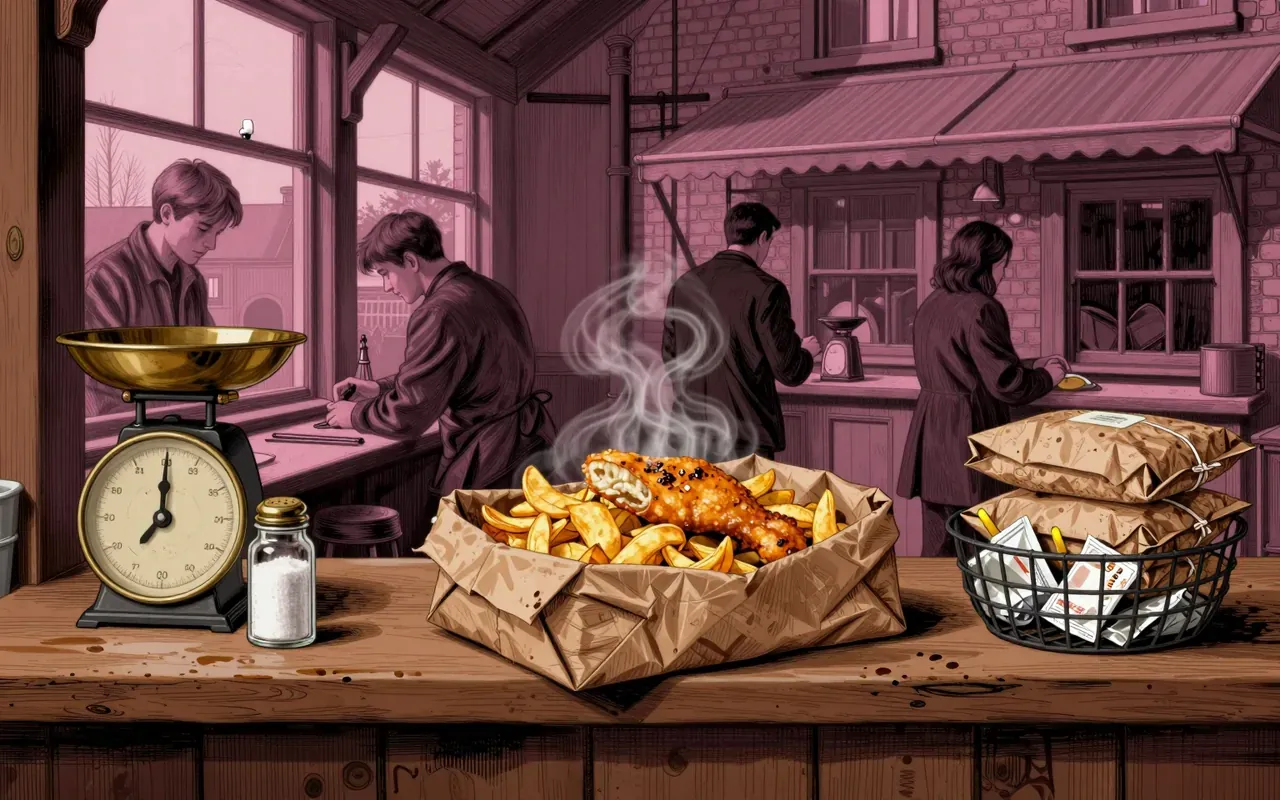
Fish and chips

· 8:44

Fish and chips wasn’t invented — it was assembled by railways, trawlers, and government non-rationing.

8:44