9:28in productionCh. 1 · Two Cities, One Seam/ 9:28 · ceiling 15 min
Fashion · Art
Yohji Yamamoto
He didn’t liberate women’s fashion—he re-routed it through men’s tailoring, and never asked if that was the destination.
Yohji Yamamoto’s work is a precise, disciplined intervention in womenswear. It begins with men’s garment logic and ends with a vocabulary of restraint: uncluttered shapes, washed fabrics, dark colours, oversized silhouettes. It emerged from his mother’s dressmaking business and Bunka Fashion College—not avant-garde theory. It debuted in Tokyo in 1977, Paris in 1981, New York in 1982. Its core proposition—that women should wear men’s clothes—was stated plainly, never questioned. Its power lies in its refusal to flatter, its rejection of trend, its insistence on cloth as structure. Its limitation is its silence on who women are beyond the garment’s frame.
Yamamoto operated across Tokyo and Paris—his work was transnational before globalisation was a word.
2:09
Dressmaking Before Design School
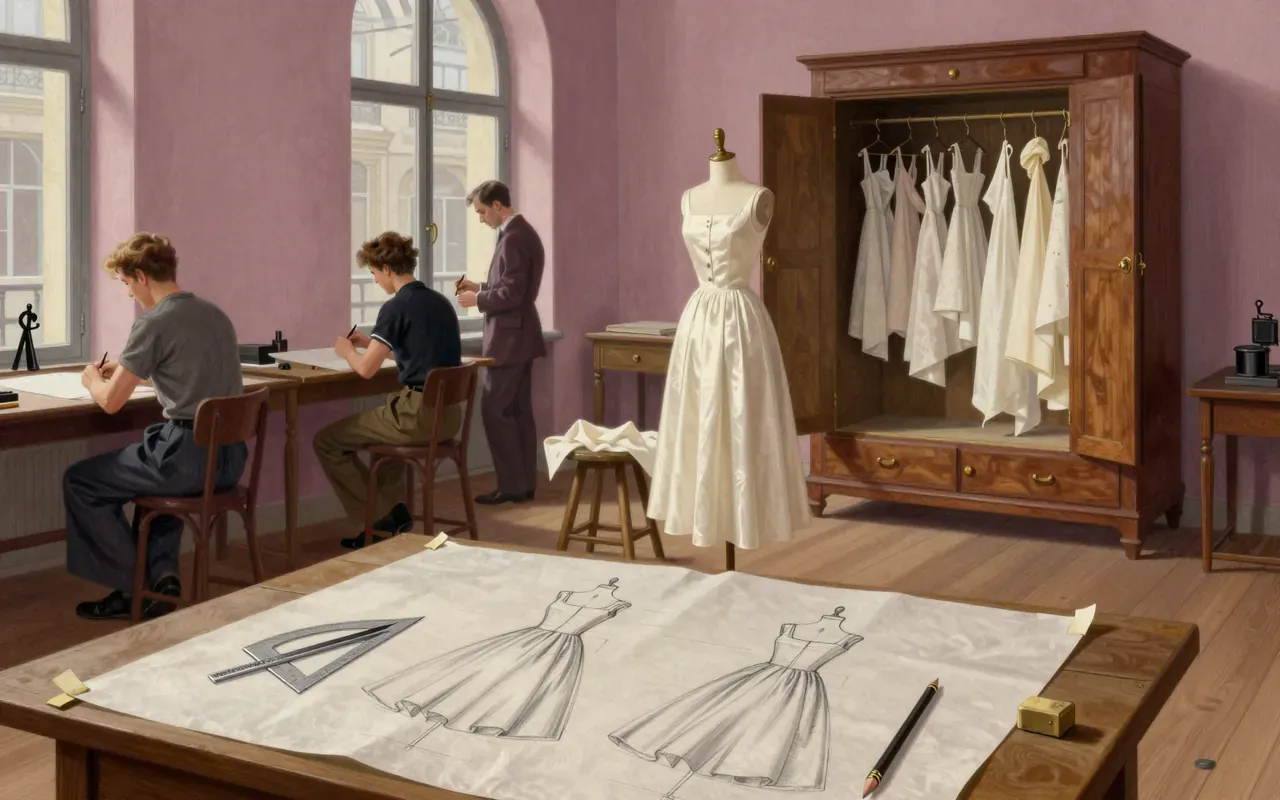
His craft came from domestic labour and formal training—not art school theory or street style.
4:20
Men’s Clothes for Women
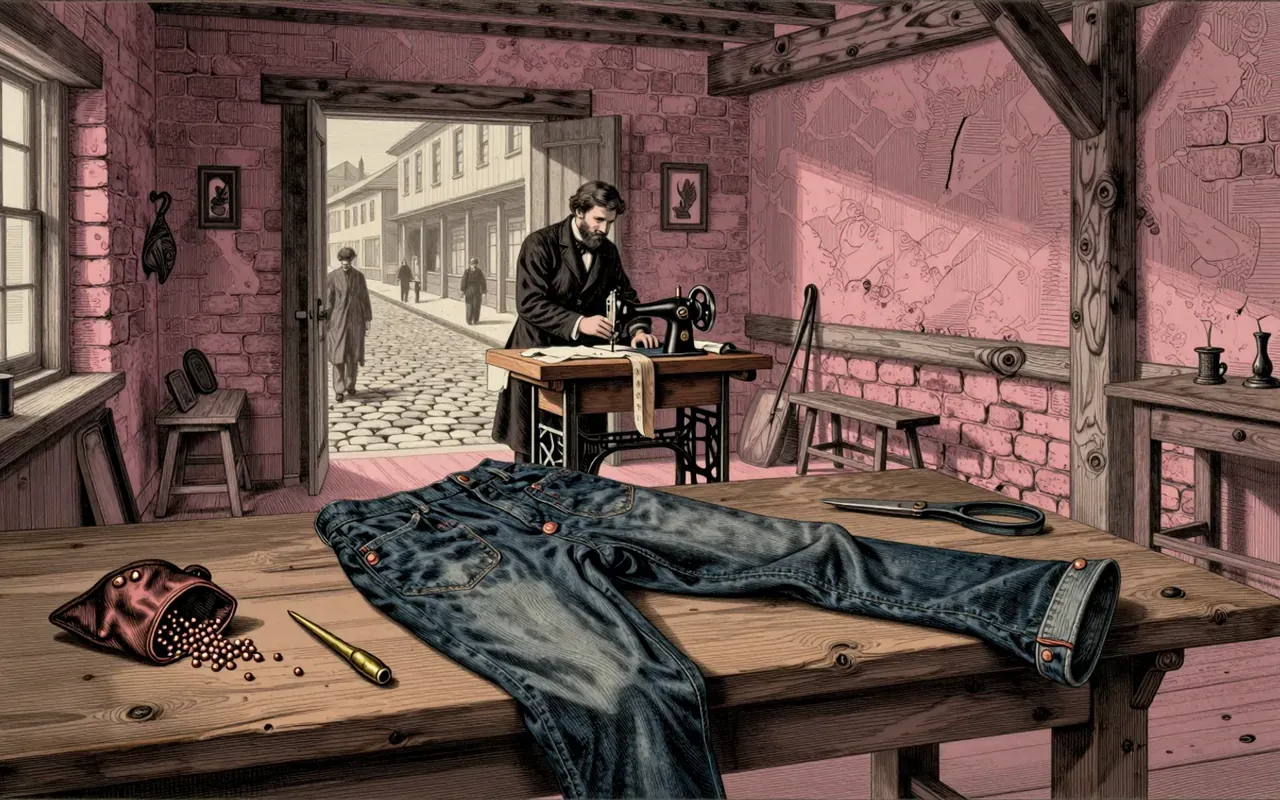
His first Y's collection wasn’t about deconstruction—it was about literal transfer: men’s garments, cut for women.
5:17
Aesthetic as Discipline
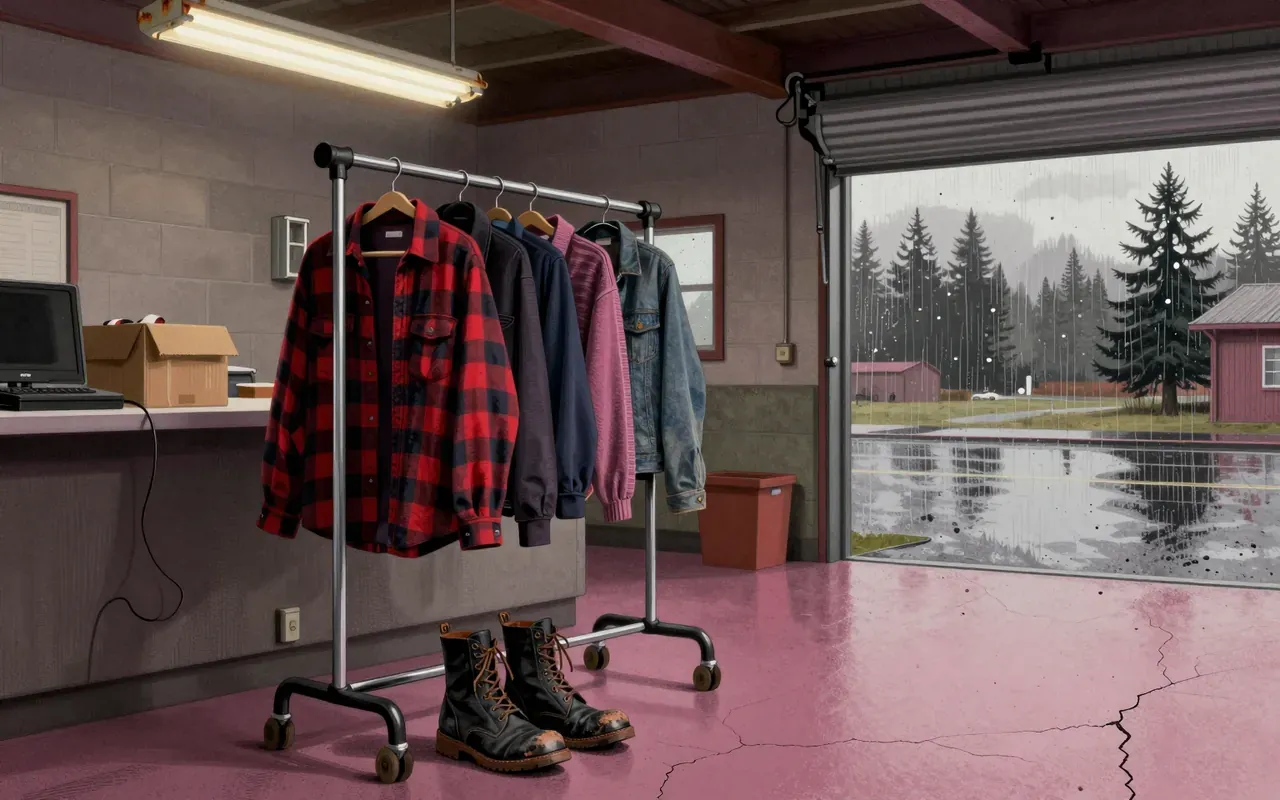
Uncluttered shapes, washed fabrics, dark colours—these weren’t moods. They were methods.
Worth your time?
Yes. Study the whole thing.
4.5/ 5
What works
as a counterpoint to fast fashion
as a grammar of anti-fit
as evidence that discipline can be disruptive
What does not
liberate
redefine
invent
Study it if
designers
tailors
women who reject fit-as-flattery
Skip it if
those seeking empowerment through visibility
fans of colour or ornament
The written brief1 min read
What the thing is
Yohji Yamamoto is a fashion designer whose work is defined by avant-garde tailoring rooted in Japanese design aesthetics.
Where it came from
He learned tailoring from his mother’s dressmaking business in Tokyo. He studied fashion at Bunka Fashion College. He launched Y’s in Tokyo in 1977.
What it gets right
It treats clothing as architecture for the body. It uses men’s structures to reject ornamentation, flattery and fit-as-flattery. It insists on darkness, asymmetry and ease as values—not trends.
What it gets wrong
It assumes women want men’s clothes. It never interrogates that desire. It offers liberation through subtraction—but not through choice, voice or context.
Why it matters now
Because fast fashion has flattened silhouette, colour and intention into algorithmic repetition—and Yamamoto’s work remains a physical argument against that erosion.
Is it worth your time
Yes—if you want to understand how tailoring became a language of resistance in womenswear.