culturebriefs
8:34in productionCh. 1 · What It Is/ 8:34 · ceiling 15 min
Fashion

Suit

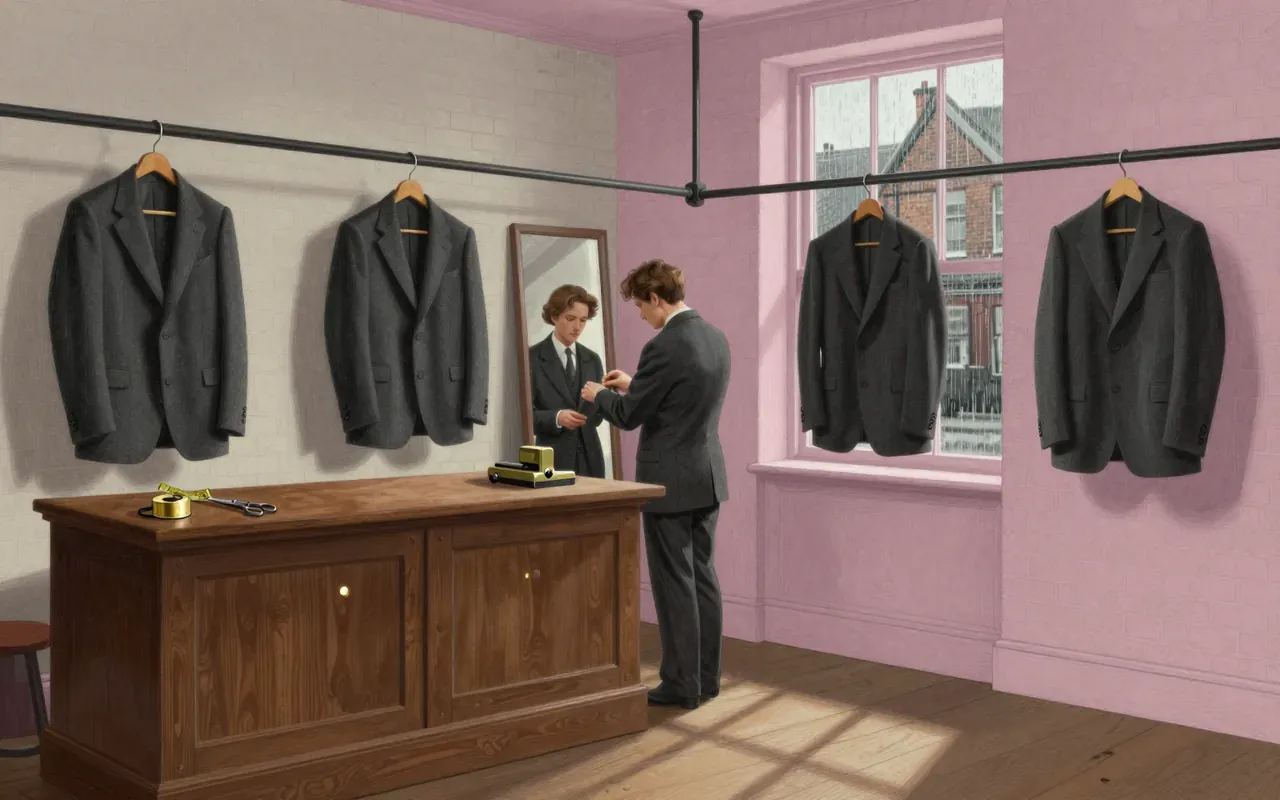
The suit isn’t formal wear—it’s the uniform of unspoken control.

The suit is not timeless. It is a calibrated instrument of social calibration—forged in royal decree, refined by renunciation, and deployed as quiet coercion.

Chapters & takeaways4
  1. 0:55
    What It Is

    A suit is defined by material match—not cut, not occasion, not status.

  2. 2:51
    Where Restraint Began

    Charles II’s court decree and the Great Male Renunciation stripped men’s dress of ornament to install restraint as virtue.

  3. 4:13
    From Sportswear to Suit

    The lounge suit was born not for boardrooms but for country estates and comfort—then repurposed as daily authority.

  4. 5:25
    When It Took Over

    It replaced the black frock coat only in the early 20th century—proving its dominance came late, not inevitable.

Worth your time?

Yes. Study the whole thing.

3.5/ 5
What works
  • as a tool of assimilation
  • as a marker of access
What does not
  • iconic
  • groundbreaking
  • seminal
  • timeless
Study it if
  • executives
  • diplomats
  • lawyers
Skip it if
  • manual labourers
  • teenagers
  • non-binary people
The written brief1 min read

What the thing is

A suit is a jacket and trousers cut from identical textiles.

Where it came from

It emerged from Charles II’s 17th-century English court reforms, hardened by the Great Male Renunciation of the late 18th century, and relaxed into the lounge suit as 19th-century British sportswear before becoming standard daywear in the early 20th century.

What it gets right

It standardised male dress around uniformity, comfort and quiet authority. It replaced ornate court ritual with a portable, reproducible grammar of respectability.

What it gets wrong

It pretends to neutrality while enforcing exclusion—by fit, fabric, cost and unspoken codes it never names.

Why it matters now

It remains the default costume of institutional legitimacy—used to signal competence, suppress dissent, and reproduce hierarchies that its own history helped install.

Is it worth your time

Yes—if you care how clothing encodes power, class and gender without saying a word.
Same beat · Fashion4 of 113
11:00
CosplayCosplay is a materially grounded, globally dispersed performance practice rooted in two separate histories—one in US sci-fi fandom, one in Japanese anime culture. Its significance lies in how it turns representation into labour, and character into conduct.
8:18
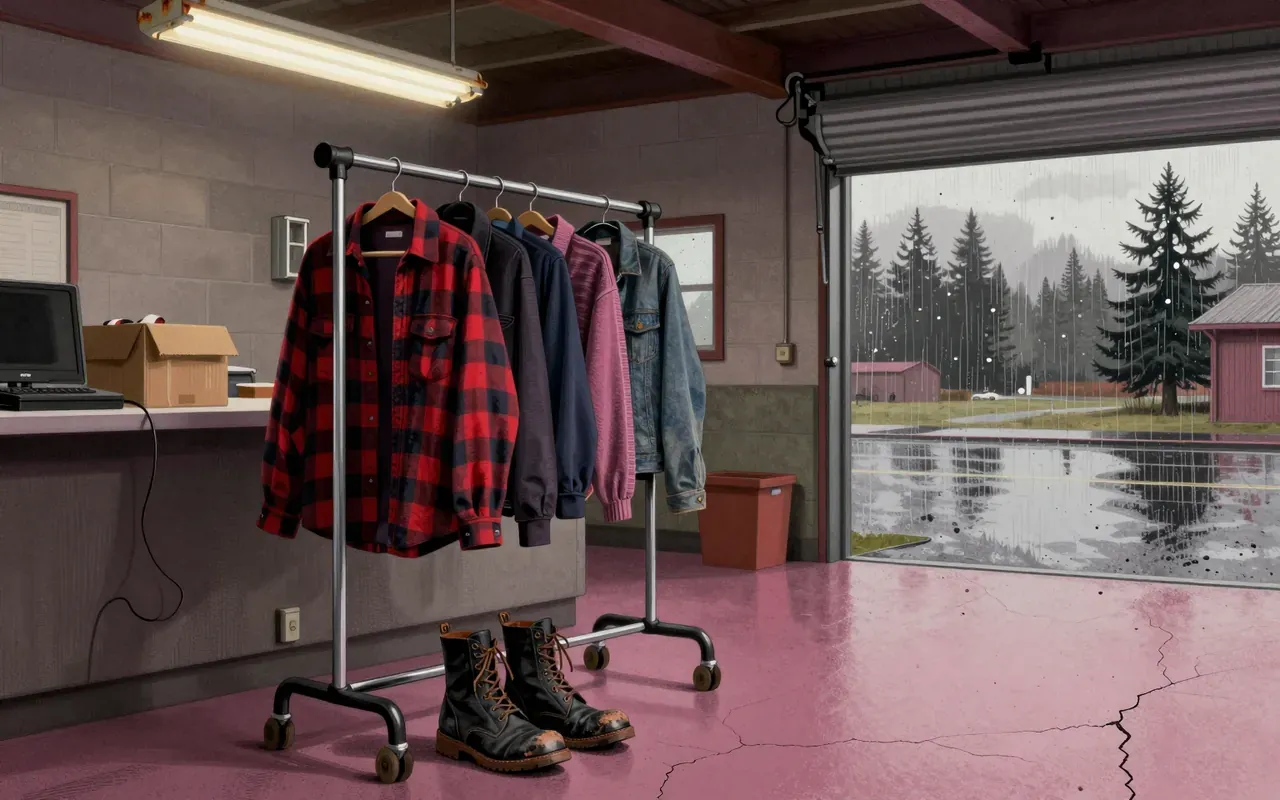
Grunge (fashion)1980Grunge fashion was an anti-fashion statement rooted in mid-1980s Seattle’s music scene. It used durable, thrift-store clothing worn loosely and androgynously—especially flannel shirts and Doc Martens—to reject 1980s flash. Kurt Cobain’s blend of lumberjack workwear and vintage feminine dresses helped define it. By the mid-1990s, it had been commodified globally—most notably by Marc Jacobs for Perry Ellis in 1993. Its legacy is not authenticity, but the speed with which resistance becomes product.
8:50
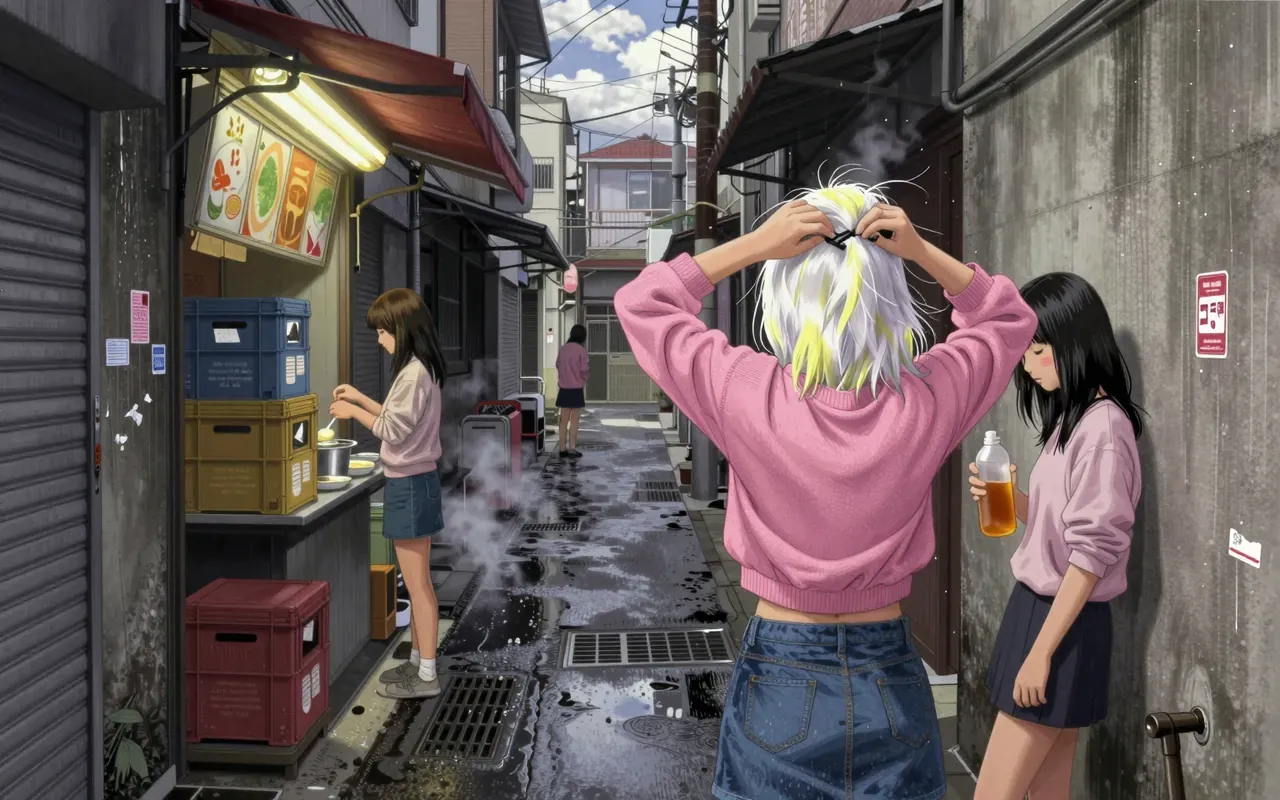
GyaruGyaru is a Japanese fashion subculture rooted in the transliteration of 'gal'. It emerged as nonconformist resistance to traditional Japanese gender roles and beauty standards—particularly the expectation that women be housewives with pale skin and dark hair. Early associations included juvenile delinquency and frivolousness among teenage girls. Kogal culture, a defining variant, rose prominently in the Heisei era (1989–2019), peaking in the 1990s and early 2000s. It is currently experiencing a revival in the Reiwa era. The subculture includes a male counterpart, gyaruo. Its core visual ingredients are consistently cited as gaudy fashion, extreme makeup, and dyed hair.
10:21
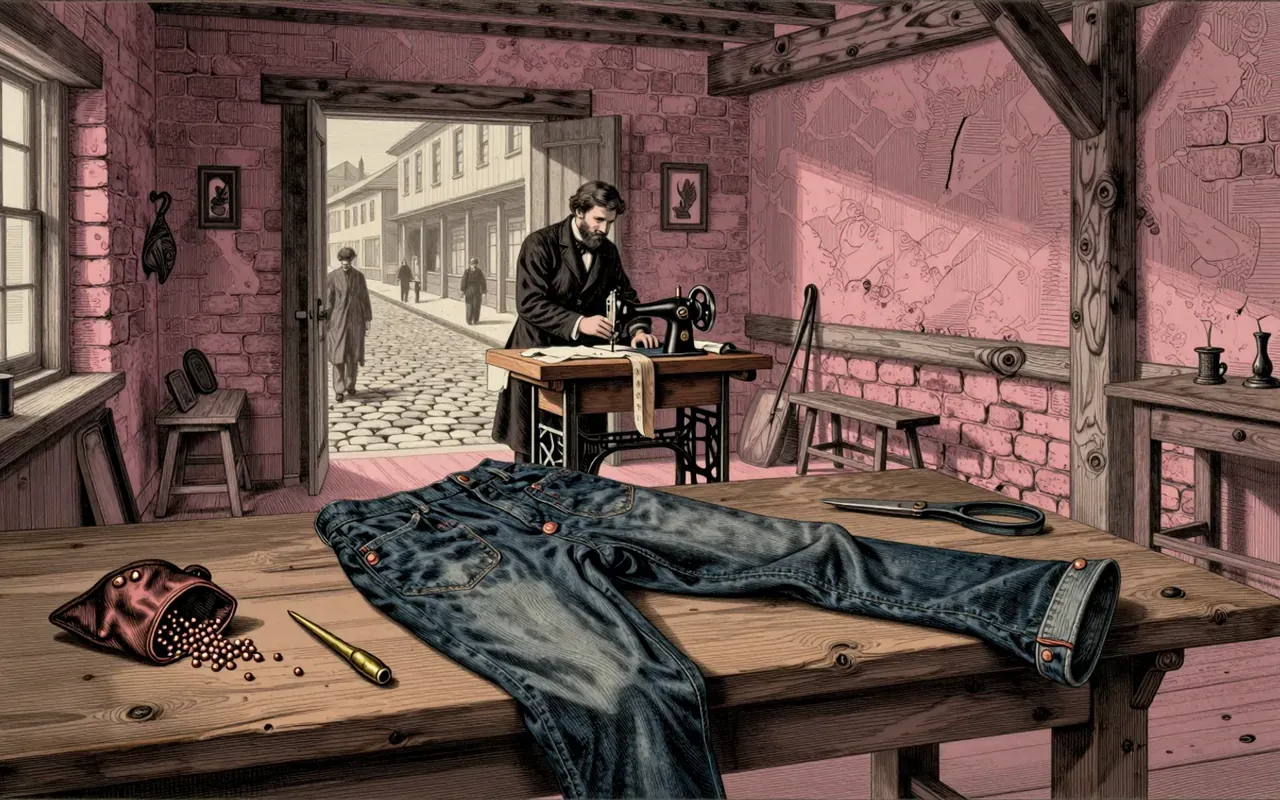
Levi Strauss & Co.Levi Strauss · 1853Levi Strauss & Co. is a pragmatic infrastructure project disguised as clothing. It began as immigrant commerce, not craft. Its innovations were patents, lot numbers, trademarks — administrative tools that made reproducible, durable workwear. It did not define youth culture, nor did it seek cultural status. It solved problems for people who needed pants to last — and kept doing so, even when the problem changed.
Up next in Culture

Trench coat

Thomas Burberry · 10:28

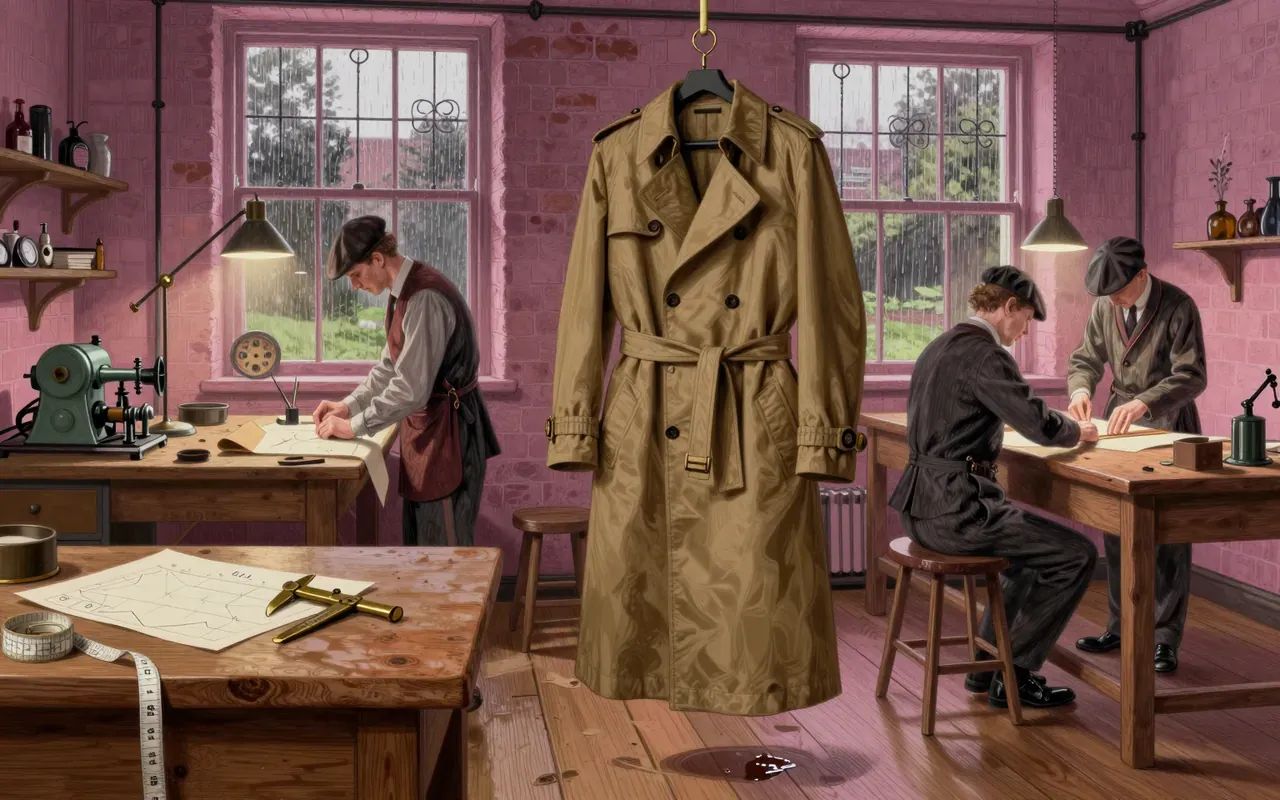
A raincoat designed for officers in the mud became the uniform of people who’ve never seen a trench.

10:28