culturebriefs
13:47in productionCh. 1 · What it is/ 13:47 · ceiling 15 min
Fashion · Society

Hoodie

A garment built for warmth became a screen for society’s anxieties about who belongs — and who must be watched.

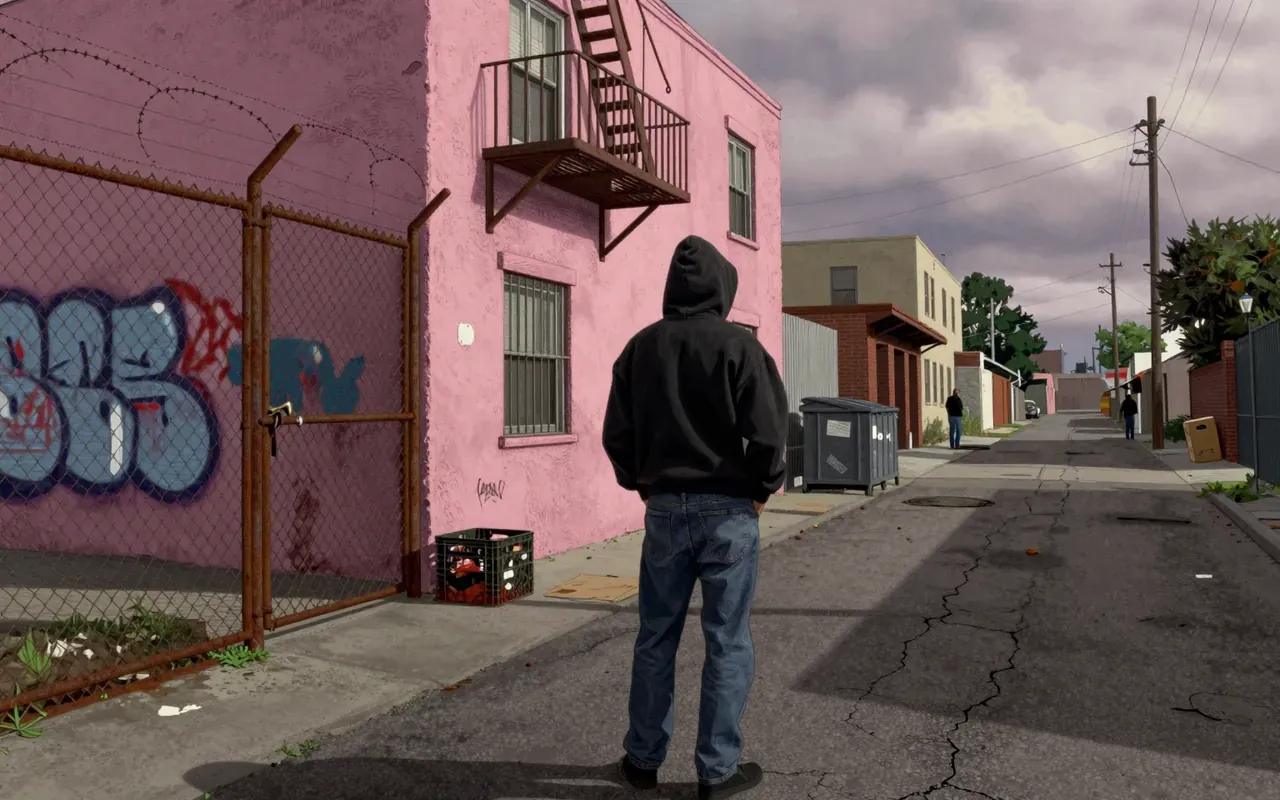
The hoodie is a functional garment with deep historical roots and shallow linguistic consensus. It shelters from weather. It also shelters identity — sometimes by choice, sometimes by coercion. Its controversy is not inherent. It is assigned.

Chapters & takeaways5
  1. 0:59
    What it is

    A hoodie is a hooded sweatshirt — functional, not symbolic, by design.

  2. 2:17
    Where the name came from

    The word 'hood' is Anglo-Saxon; 'hoodie' entered popular usage in the 1990s.

  3. 3:22
    What it does well

    Kangaroo pockets and drawstrings serve real utility — cold, wind, and rain demand them.

  4. 4:38
    What it gets wrong

    In British and Irish English, 'hoodie' means hooligan — a linguistic displacement of blame onto clothing.

  5. 6:09
    How it’s named across borders

    Canadians overwhelmingly prefer 'hoodie' — revealing regional language divergence, not consensus.

Worth your time?

Yes. Study the whole thing.

3.5/ 5
What works
  • culture/fashion
  • culture/society
  • culture/subcultures
What does not
  • subcultures
  • race
  • protest
Study it if
  • policy-makers
  • designers
  • teachers
Skip it if
  • historians-of-medieval-clothing
  • textile-archaeologists
The written brief1 min read

What the thing is

A hoodie is a jacket or sweatshirt with a hood that covers most of the head and neck, often with a kangaroo pocket or side pockets and an adjustable drawstring.

Where it came from

Its hood descends from Anglo-Saxon hōd; the garment evolved from medieval monastic wear and 1930s US industrial labour; the term ‘hoodie’ entered popular usage in the 1990s.

What it gets right

It delivers weather protection and aesthetic flexibility. The kangaroo pocket and drawstring are practical, not decorative.

What it gets wrong

It carries inherited stigma: in British and Irish English, ‘hoodie’ names a hooligan or thug — a slur detached from the garment’s use.

Why it matters now

It remains a flashpoint in debates over surveillance, youth rights, and racial profiling — policies banning hoodies persist, while fashion absorbs and neutralises its subcultural charge.

Is it worth your time

Yes — if you want to understand how a functional garment became a contested symbol of anonymity, youth, and racialised suspicion.

Same beat · Fashion4 of 113
11:00
CosplayCosplay is a materially grounded, globally dispersed performance practice rooted in two separate histories—one in US sci-fi fandom, one in Japanese anime culture. Its significance lies in how it turns representation into labour, and character into conduct.
8:18
Grunge (fashion)1980Grunge fashion was an anti-fashion statement rooted in mid-1980s Seattle’s music scene. It used durable, thrift-store clothing worn loosely and androgynously—especially flannel shirts and Doc Martens—to reject 1980s flash. Kurt Cobain’s blend of lumberjack workwear and vintage feminine dresses helped define it. By the mid-1990s, it had been commodified globally—most notably by Marc Jacobs for Perry Ellis in 1993. Its legacy is not authenticity, but the speed with which resistance becomes product.
8:50
GyaruGyaru is a Japanese fashion subculture rooted in the transliteration of 'gal'. It emerged as nonconformist resistance to traditional Japanese gender roles and beauty standards—particularly the expectation that women be housewives with pale skin and dark hair. Early associations included juvenile delinquency and frivolousness among teenage girls. Kogal culture, a defining variant, rose prominently in the Heisei era (1989–2019), peaking in the 1990s and early 2000s. It is currently experiencing a revival in the Reiwa era. The subculture includes a male counterpart, gyaruo. Its core visual ingredients are consistently cited as gaudy fashion, extreme makeup, and dyed hair.
10:21
Levi Strauss & Co.Levi Strauss · 1853Levi Strauss & Co. is a pragmatic infrastructure project disguised as clothing. It began as immigrant commerce, not craft. Its innovations were patents, lot numbers, trademarks — administrative tools that made reproducible, durable workwear. It did not define youth culture, nor did it seek cultural status. It solved problems for people who needed pants to last — and kept doing so, even when the problem changed.
Up next in Culture

Keffiyeh

· 8:46

A sun shield turned political weapon by decree—not culture.

8:46