What the thing is
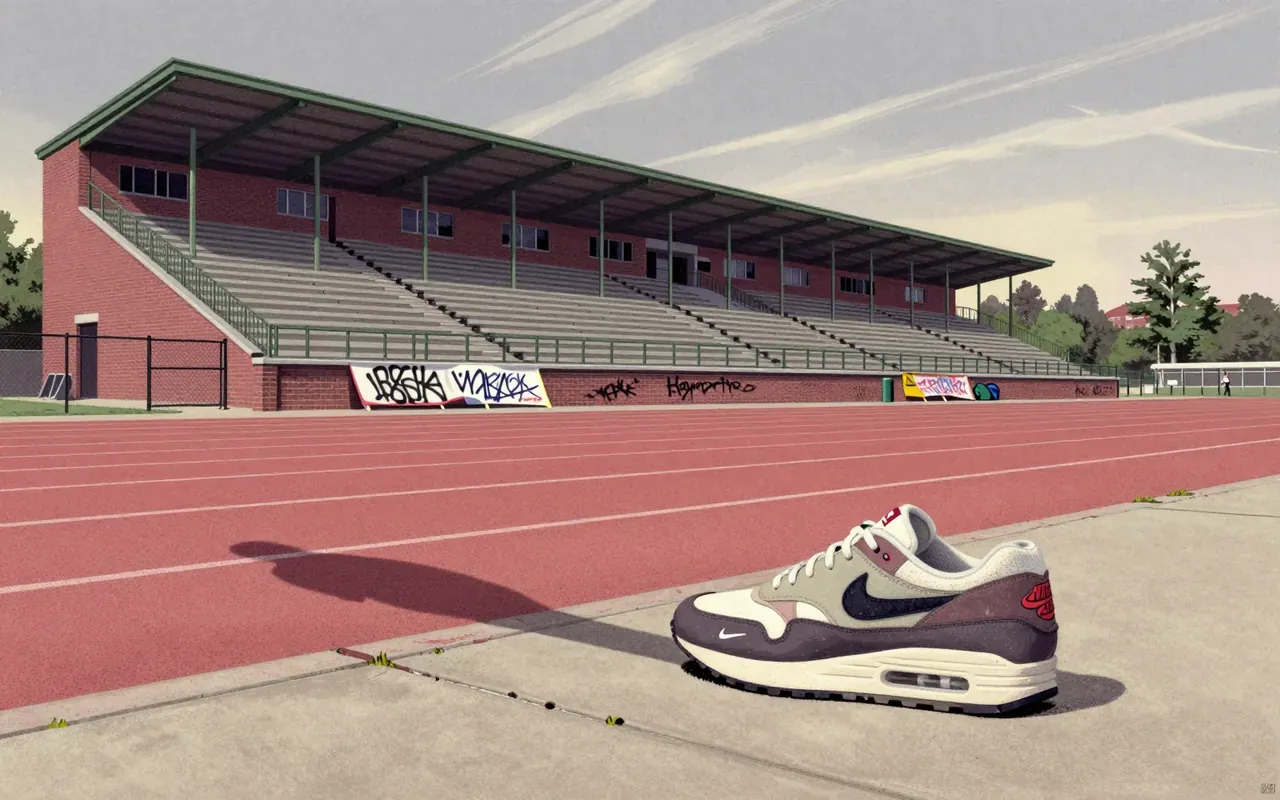
Nike Air Max is a line of running shoes defined by translucent, pressurised gas-filled urethane pouches embedded in the midsole and visible from the outside.
Where it came from
Tinker Hatfield conceptualised Air Max while designing Nike stores—not as a footwear designer—and began shoe design in 1985. The Air Max 1 launched in 1986; Hatfield designed it in 1987 after visiting the Centre Georges Pompidou.
What it gets right
It made cushioning legible. The visible Air unit turned internal engineering into external identity. It delivered on its stated promise: superior cushioning and reduced weight versus foam.
What it gets wrong
It conflated visibility with innovation. The Air unit was not new in 1986—it had existed since 1978—but the decision to expose it was aesthetic, not technical. The ‘breakthrough’ was presentation, not performance.
Why it matters now
It established that consumers would pay for transparency-as-branding. Every visible tech layer in sportswear since—from Boost to Lightstrike—traces its logic to this move: make the mechanism the message.
Is it worth your time
Yes—if you care about how industrial design shifts perception of function, or how a single visible detail can redefine an entire product category.